
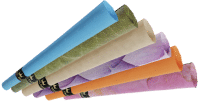
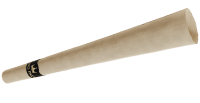
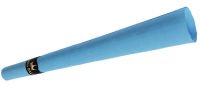
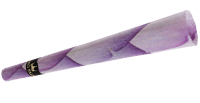

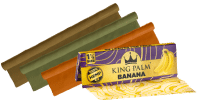





Photo by Ziv Paczy on Unsplash

What Are Blunts?
A blunt is a cigar or tobacco leaf wrap filled with ground flower instead of tobacco. The term dates back to the 1980s when smokers in New York City started emptying Phillies Blunt cigars and refilling them. What began as an improvised method became a cultural phenomenon that's still going strong decades later.
Unlike joints rolled with thin papers, blunts use thicker wraps that burn slower and deliver a distinct smoking experience. The wrap itself traditionally contains tobacco, which adds nicotine to the mix and creates a unique flavor profile that many smokers prefer.
Today's market offers far more options than the original gutted cigars. You can find wraps made from tobacco leaf, hemp, palm leaf, and other natural materials, each with its own characteristics.
Key Takeaways
- Blunts use thick wraps (originally tobacco) that burn slower than papers
- Traditional blunts contain tobacco and nicotine; natural alternatives don't
- Rolling technique matters more with thicker wraps than with papers
- Modern options include tobacco-free wraps made from palm, hemp, and other leaves
- Proper storage keeps wraps fresh and easier to roll
Why People Smoke Blunts
The appeal goes beyond just the method. Blunts burn significantly slower than joints, making them ideal for group sessions or extended solo smoke. A well-rolled blunt can last 20-30 minutes or more, compared to 5-10 minutes for a typical joint.
The thicker wrap provides a different flavor profile. Traditional tobacco wraps add an earthy, slightly sweet undertone that complements many strains. Some smokers find this combination enhances their experience, while others prefer it purely for the slower burn and social aspect.
There's also the cultural element. Blunts have deep roots in hip-hop culture and certain communities where they're the preferred method. For many, rolling and smoking a blunt is as much about tradition and ritual as it is about the actual smoking experience.
Types of Blunt Wraps
Tobacco Leaf Wraps
Traditional blunt wraps are made from tobacco leaf, either whole leaf or processed into wraps. These contain nicotine and deliver that classic blunt experience. Popular brands include Backwoods, Swisher Sweets, and Dutch Masters.
Whole leaf tobacco wraps require more skill to work with but offer the most authentic experience. Pre-made tobacco wraps are easier for beginners but may contain additives you don't want.
Hemp Wraps
Hemp wraps emerged as a tobacco-free alternative for smokers who want the blunt experience without nicotine. They're typically thicker than papers but thinner than tobacco wraps, offering a middle ground in terms of burn time and flavor.
Most hemp wraps come flavored to mask the natural hemp taste, which some find too grassy or earthy. Quality varies significantly between brands.
Palm Leaf Wraps
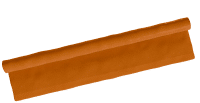
Palm leaf wraps represent the newest evolution in natural smoking. Made from real Cordia palm leaves, they contain no tobacco, no nicotine, and no additives. The leaf itself provides a slow, even burn without the harshness of tobacco or the processing chemicals found in many other wraps.
These wraps deliver a smooth, clean taste that doesn't overpower your flower's natural flavors. Palm leaf wraps have become increasingly popular among smokers looking for a premium, natural experience without tobacco.
How to Roll a Blunt
Rolling a blunt takes more technique than rolling a joint because the wrap is thicker and less forgiving. Here's the method that works for most people.
Materials You'll Need
- Your chosen wrap (cigar, tobacco wrap, or natural alternative)
- Ground flower (1-2 grams depending on wrap size)
- Grinder
- Something to moisten the wrap (traditionally saliva, though some prefer water)
The Rolling Process
Step 1: Prepare your wrap. If using a cigar, carefully split it lengthwise with your fingers or a blade. Dump out the tobacco. If using a pre-made wrap, check that it's moist enough to roll without cracking.
Step 2: Grind your flower. A medium grind works best for blunts. Too fine and it burns too fast; too coarse and you get an uneven burn and air gaps.
Step 3: Load the wrap. Place your ground flower in a line down the center of the wrap. Use more than you would for a joint—blunts are bigger. Leave space at the ends to tuck and seal.
Step 4: Shape and tuck. Use your thumbs and forefingers to work the flower into a cylinder shape. Tuck one edge of the wrap under the flower, then roll the other edge over it. This is where technique matters most.
Step 5: Seal it. Lick the outer edge to moisten it (or use water if you prefer), then press it against the body of the blunt to seal. Work your way down the entire length, making sure everything is secure.
Step 6: Dry and pack. Some people use a lighter to gently dry the seal (don't cook it, just remove moisture). Pack down the ends with a pen, key, or your finger to prevent spillage.
Common Rolling Mistakes
Most problems come from wraps that are too dry or too wet. Dry wraps crack when you try to roll them. Wet wraps tear or refuse to seal properly. If your wrap is dry, breathe on it or expose it to steam briefly to restore pliability.
Overfilling is another frequent issue. It's tempting to stuff as much as possible, but an overfilled blunt won't roll properly and will burn unevenly. Better to use slightly less and get a smooth, consistent smoke.
Blunts vs. Joints: What's the Difference?
The main difference is the wrap material. Joints use thin rolling papers (rice, hemp, or wood pulp), while blunts use tobacco leaf or thicker natural wraps. This changes everything about the smoking experience.
Blunts burn slower and last longer because the wrap is thicker. A joint might last 5-10 minutes, while a blunt can go 20-30 minutes or more. This makes blunts better for groups or extended sessions.
Flavor differs significantly. Papers are designed to be nearly tasteless, letting your flower's flavor come through. Traditional blunts add tobacco flavor, which some love and others can't stand. Natural alternatives like palm leaf offer a middle ground—noticeable flavor that enhances rather than overwhelms.
Traditional blunts also contain nicotine from the tobacco wrap, which creates a different head high. Some smokers enjoy the combination; others prefer to avoid nicotine entirely. Tobacco-free wraps eliminate this element while maintaining the slow-burn characteristics.
The Rise of Tobacco-Free Alternatives
More smokers are moving away from tobacco for health reasons, taste preferences, or both. Traditional blunt wraps expose you to nicotine, tar, and whatever chemicals were used to process the tobacco. Even without tobacco filling, the wrap itself delivers nicotine with every hit.
Hemp wraps were the first major alternative, but many brands add flavoring agents, glycerin, or other additives to improve taste and workability. These can introduce their own harshness or unwanted flavors.
Natural leaf options like palm have gained traction because they offer the slow burn and thickness of a traditional blunt without tobacco or heavy processing. The leaves are harvested, dried, and rolled—that's it. No chemicals, no additives, just natural leaf.
Why Palm Leaf Works
Palm leaf wraps burn slower than hemp but without the nicotine buzz of tobacco. The Cordia palm leaf has natural properties that create an even burn without hotspots or runs. The flavor is subtle—slightly sweet and earthy without overpowering your flower.
The texture is closer to a traditional tobacco wrap than hemp, which makes the rolling experience feel more authentic. If you learned on tobacco wraps, the transition to palm is easier than switching to hemp.
Pre-Rolled Options: Skip the Learning Curve
Not everyone wants to master rolling technique. Pre-coned options let you enjoy the blunt-style experience without the skill requirement. These come ready to pack—you just fill them with ground flower and go.
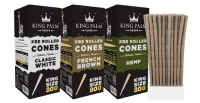
Pre-coned palm leaf rolls offer the same natural, tobacco-free experience as wraps but eliminate the rolling step entirely. Each cone comes ready to pack, and every King Palm pack includes a humidity pack to keep everything fresh until you're ready to use it.
The advantage goes beyond convenience. Factory-made cones ensure a consistent burn every time. No worrying about whether you rolled it tight enough or if the seal will hold. Just pack it, light it, and enjoy.
Flavored Blunts: Worth It?
Flavored wraps and cigars have been around for decades. Grape, strawberry, vanilla, honey—the options are endless. These flavors can mask harshness or add a sweet note to your smoke, but they come with tradeoffs.
Most flavored wraps achieve their taste through added chemicals or glycerin-based flavorings. These additives can create a harsher smoke and introduce substances you might prefer to avoid. The flavor also tends to fade quickly, often disappearing after the first few hits.
Natural wraps offer their own subtle flavors without additives. Palm leaf has a naturally sweet undertone. Tobacco brings its earthy, familiar taste. Hemp has a grassier profile. These flavors last throughout your session because they're inherent to the leaf, not sprayed on.
Storing Blunt Wraps and Pre-Rolls
Proper storage keeps your wraps fresh and rollable. Dry wraps crack and tear. Overly moist wraps get moldy or refuse to seal properly. You want the sweet spot—pliable but not wet.
Store wraps in their original packaging in a cool, dry place. If they come with a humidity pack (like King Palm products do), keep it with the wraps. These packs maintain ideal moisture levels automatically.
Resealable bags work well for opened packages. Some people add a small humidity pack (62% relative humidity is ideal) to keep things fresh. Avoid refrigerators—temperature swings and excess moisture create more problems than they solve.
Pre-rolled cones need the same treatment. Keep them in their tube or packaging with the included humidity pack. This prevents cracking and keeps them ready to pack whenever you want.
Are Blunts Harsher Than Joints?
Traditional tobacco blunts can be harsher because you're inhaling tobacco smoke alongside your flower. The nicotine adds a throat hit that some enjoy but others find too intense. People sensitive to tobacco or with respiratory concerns often find traditional blunts uncomfortable.
The thickness of the wrap also matters. Thicker wraps mean more smoke and a heavier pull. Some people love this density; others prefer the lighter draw of a thin-paper joint.
Natural tobacco-free alternatives reduce harshness significantly. Without tobacco's irritants and additives, the smoke is cleaner and smoother. Palm leaf wraps in particular are known for delivering a smooth experience that's easier on the throat and lungs than traditional tobacco wraps.
Social Aspects: Why Blunts Dominate Group Sessions
Blunts have become the default for group smoking in many circles. The long burn time means everyone gets multiple rounds without rushing. A single blunt can easily accommodate 3-5 people for a full session.
There's also ritual involved. Passing a blunt has etiquette—puff, puff, pass is the classic rule. Rolling skills earn respect. Someone who can roll a perfect blunt in any conditions becomes the designated roller, which comes with a certain status.
The size and presence of a blunt also signals intention. Pulling out a blunt says "we're settling in for a session," not just taking a quick hit. This makes them perfect for social gatherings, celebrations, or anytime you want to make the smoking experience an event rather than a quick functional smoke.
Health Considerations
Smoking anything involves inhaling combusted plant material, which carries inherent risks. But the wrap choice matters for harm reduction.
Traditional tobacco wraps add nicotine exposure, which is addictive and carries its own health risks. The tobacco itself contains tar and chemicals used in curing and processing. If you're concerned about these exposures, tobacco-free options make sense.
Some hemp and flavored wraps contain additives, glycerin, or other substances used to improve texture, flavor, or shelf life. Reading ingredient lists helps you make informed choices about what you're inhaling.
Natural leaf options with minimal processing—like palm—reduce exposure to additives and chemicals. You're smoking dried leaf without the extras. This doesn't make smoking "safe," but it does eliminate unnecessary additional exposures.
Cost Comparison: What You'll Actually Spend
Traditional cigar blunts (Swisher, Phillies, etc.) run $1-3 each. You're paying for tobacco you'll throw away, which isn't efficient. Pre-made tobacco wraps cost less—usually $1-2 for a pack of 2-5 wraps.
Hemp wraps typically cost $1-3 for a pack of two. Quality varies significantly at this price point. Cheaper options may be dry, tear easily, or burn unevenly.
Natural palm leaf wraps and pre-coned options cost more upfront—typically $2-5 per unit depending on size and quantity. But you're paying for quality materials, consistent performance, and the lack of additives. Each pack includes a humidity pack to maintain freshness, which adds value.
For regular smokers, the cost difference between a cheap gas station wrap and a quality natural option is minimal over time, especially considering the superior experience and fewer failed attempts due to poor wrap quality.
Frequently Asked Questions
What's the difference between a blunt and a joint?
A blunt uses a tobacco leaf or thick natural wrap, while a joint uses thin rolling papers. Blunts burn slower (20-30 minutes) compared to joints (5-10 minutes) and traditionally contain tobacco in the wrap, adding nicotine to the experience. The thicker wrap also creates more smoke and a different flavor profile. Tobacco-free blunt wraps like palm leaf offer the slow burn and thickness without nicotine.
Can you use a rolling machine to roll a blunt?
Rolling machines are designed for thin papers, not thick blunt wraps. The wraps are too thick and rigid to work properly in standard rolling machines. Blunts need to be rolled by hand. If you want the convenience of a pre-rolled option without the rolling skill, pre-coned blunt-style wraps let you skip rolling entirely—you just pack them with ground flower.
How do you keep blunt wraps from drying out?
Store wraps in their original packaging with any included humidity pack in a cool, dry place away from direct sunlight. If you've opened a package, use a resealable bag or container and add a humidity pack (62% relative humidity works well) to maintain moisture. Don't refrigerate—temperature swings cause more problems than they solve. King Palm products include a humidity pack in every package to maintain ideal freshness.
Are tobacco-free blunt wraps actually better for you?
Tobacco-free wraps eliminate nicotine exposure and the tar and chemicals found in processed tobacco, which reduces certain health risks associated with traditional blunts. Natural options like palm leaf contain no additives, glycerin, or flavoring agents, meaning you're inhaling fewer unnecessary substances. That said, smoking any combusted plant material carries inherent risks—tobacco-free simply removes additional exposures from the tobacco itself.
Why do my blunts keep canoeing or running?
Uneven burning (canoeing) usually happens because of inconsistent density—one side is packed tighter than the other. Make sure your flower is ground evenly and distributed uniformly throughout the wrap when rolling. The wrap itself might also be the problem: dry spots, tears, or low-quality wraps with inconsistent thickness burn unevenly. Proper storage keeps wraps at ideal moisture levels, which helps ensure an even burn. Pre-coned options eliminate this issue entirely since they're manufactured to consistent specifications.


