
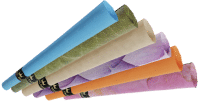









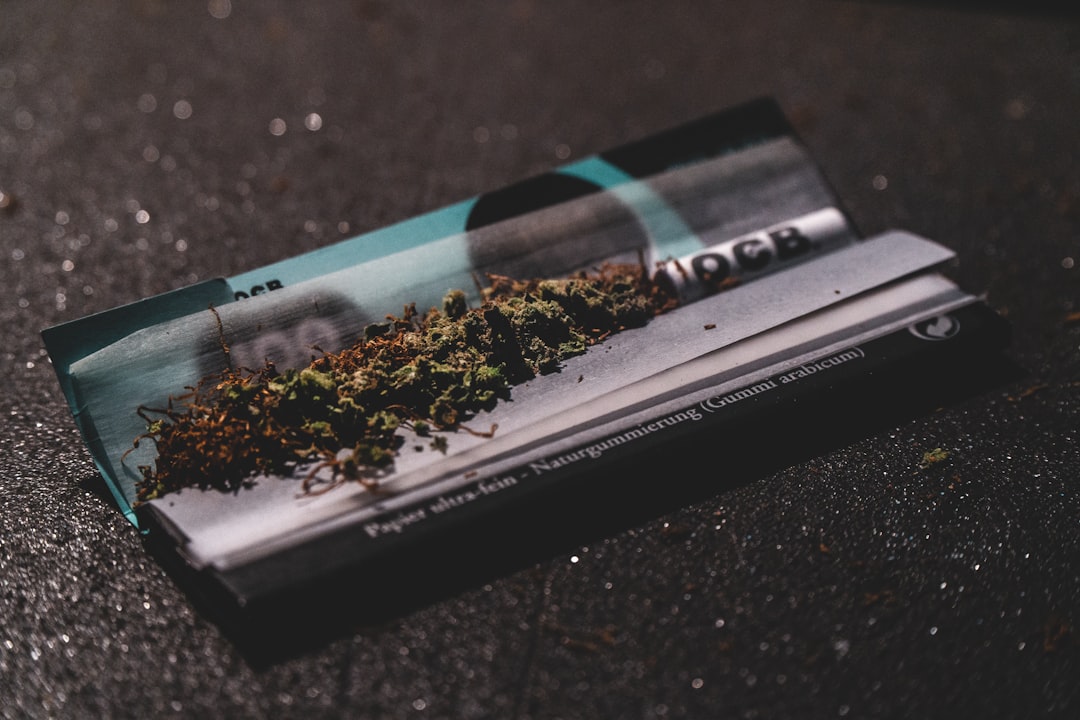
Photo by GRAS GRÜN on Unsplash
Key Takeaways
- Rolling without a filter is possible but requires pinching the mouthpiece end to keep material from pulling through
- The twist-end method creates a natural barrier at the mouthpiece
- Filterless joints tend to get soggy faster and can be harsher on the throat
- Practice with tobacco or dry herbs before using premium material
- Natural alternatives like palm leaf wraps offer a cleaner experience without added paper chemicals
Why Roll Without a Filter?
Rolling a joint without a filter isn't the most common approach, but plenty of smokers still do it. Some prefer the old-school experience, while others simply don't have filters on hand when the moment strikes.
The main challenge is keeping material from pulling through into your mouth while maintaining proper airflow. Without a filter, you need to rely on rolling technique and the natural structure of your material to create a functional mouthpiece.
That said, most experienced smokers will tell you filters make for a cleaner, more consistent experience. But if you're in a pinch or curious about traditional methods, here's how to make it work.
What You'll Need
The equipment list is simple when you're rolling filterless:
- Rolling papers (thin papers work better than thick ones)
- Your smoking material, properly ground
- A grinder or clean hands for breaking down material
- A flat, clean surface to work on
Choose your papers carefully. Thinner papers are easier to work with when you're rolling without the structural support of a filter. They also burn more evenly and create less ash.
Step-by-Step: Rolling a Joint Without a Filter
Step 1: Prepare Your Material
Grind your material to a medium-fine consistency. Too fine and it'll pull through without a filter to catch it. Too coarse and it won't pack properly, leading to an uneven burn and loose ends.
Aim for the texture of coarse sand. The material should stick together slightly when pinched but still break apart easily.
Step 2: Create the Paper Cradle
Hold your rolling paper with the glue strip facing up and away from you. Create a gentle valley shape by folding the paper lengthwise without creasing it completely.
This cradle will hold your material while you distribute it evenly. Without a filter as an anchor point, you'll need to be extra careful with this step.
Step 3: Load and Distribute
Place your ground material into the paper cradle, leaving about a quarter inch empty on each end. The mouthpiece end (usually the left side if you're right-handed) should have slightly less material than the rest of the joint.
Distribute the material evenly along the length of the paper. Use your fingers to gently tap and shift the material into a cylindrical shape.
Step 4: Shape and Pack
This is where filterless rolling gets tricky. Pinch the paper between your thumbs and forefingers, then roll the material back and forth to pack it into a cylinder.
At the mouthpiece end, create a slight taper by using less material. This narrower opening helps prevent material from pulling through when you inhale.
The key is finding the balance between tight enough to hold together and loose enough to draw air through. Too tight and you won't be able to pull smoke. Too loose and you'll inhale material.
Step 5: Tuck and Roll
Once you've shaped the material into a firm cylinder, it's time to tuck and roll. Starting at the mouthpiece end, use your thumbs to tuck the non-glue edge of the paper under the material.
Roll upward toward the glue strip, keeping even tension. The goal is to wrap the paper tightly around the material without crushing it.
Work from the mouthpiece end toward the other end, keeping the roll tight and even as you go.
Step 6: Seal It Up
Once the paper is wrapped around the material with only the glue strip showing, lick the glue strip thoroughly. Press it down onto the paper beneath, sealing the joint shut.
Run your finger along the seam to ensure it's fully sealed. A weak seal will cause the joint to unravel or burn unevenly.
Step 7: Finish the Ends
The lighting end is straightforward: twist the excess paper closed to keep material from falling out. Give it a few tight twists to create a sealed tip.
The mouthpiece end is more important without a filter. You have two options: leave it open with a pinched end, or give it a very gentle twist to create a small barrier. Some smokers prefer to gently tap the mouthpiece end on a hard surface to pack the material slightly away from the opening.
If material is visible at the mouthpiece, use a pen tip or similar object to gently push it back about an eighth of an inch. This creates a small empty space that acts as a makeshift chamber.
Tips for Better Filterless Joints
The Double-Roll Technique
Some smokers roll the mouthpiece end of the paper over itself before adding material, creating a double-thick barrier. This adds structure and helps prevent material from pulling through.
To do this, roll the first quarter inch of paper over itself once before creating your cradle. The doubled paper at the end acts like a crude filter.
Control Your Moisture
Without a filter to absorb moisture, filterless joints get soggy faster. Take lighter, less frequent pulls to minimize saliva contact with the paper.
If the mouthpiece does get wet, you can carefully tear away the soggy paper and continue smoking. This is messy and wastes material, so prevention is better.
The Pinch Method
As you smoke, gently pinch the mouthpiece end between pulls. This keeps the opening slightly closed and prevents material from shifting forward as the joint burns down.
This technique requires attention throughout the session but significantly reduces the chance of getting material in your mouth.
Practice With Substitutes
Before wasting premium material on practice rolls, use tobacco or dry herbs like mint or chamomile. These have similar textures and let you refine your technique without the cost.
Roll ten practice joints before attempting the real thing. Your tenth will be noticeably better than your first.
Common Problems and Solutions
Material Pulling Through
This is the main issue with filterless joints. If material pulls through when you test-draw, the mouthpiece end is too loose or open.
Gently tap the joint to settle material away from the opening, then give the mouthpiece a very slight twist. You can also tear off a tiny piece of paper and insert it loosely into the mouthpiece as a makeshift filter.
Canoe or Uneven Burn
Without a filter to anchor the structure, filterless joints are more prone to uneven burning. Make sure your material is evenly distributed and consistently packed throughout the length.
If one side starts burning faster, wet your finger and dampen the fast-burning side slightly. This slows that side down and lets the other catch up.
Too Tight to Draw
If you can't pull air through your finished joint, you've packed it too tightly or twisted the ends too much. Gently roll the joint between your fingers to loosen the material slightly.
You can also insert a toothpick or thin skewer through the length of the joint to create an airway, then remove it before lighting.
Why Filters Actually Help
Once you've tried rolling without a filter, you'll understand why they became standard. A filter or crutch provides several benefits:
- Structural support that makes rolling easier and more consistent
- A barrier that prevents material from reaching your mouth
- A handle that lets you smoke down to the end without burning your fingers
- Better airflow due to the rigid structure keeping the mouthpiece open
- Reduced tar and particulate intake
Even experienced rollers who can make filterless joints work well typically use filters when they're available. The difference in smoothness and consistency is worth the extra step.
Natural Alternatives to Traditional Papers
If you're rolling without a filter because you want a more natural experience, consider skipping traditional papers altogether. Palm leaf wraps offer a cleaner alternative without the bleach and chemicals found in many rolling papers.
King Palm's natural leaf wraps are made from Cordia leaves with no tobacco, additives, or glue. They provide a slow, even burn with a naturally smooth draw.
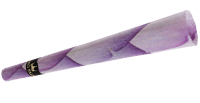
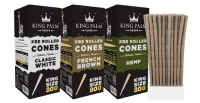
For those who want convenience without sacrificing quality, pre-coned palm leaf rolls eliminate the learning curve entirely. Each pack includes a humidity pack to maintain freshness, so your wraps stay ready to pack whenever you need them.
You pack these cones rather than roll them, making them ideal for smokers who want consistent results without mastering traditional rolling techniques. The natural leaf material provides built-in structure, so you don't need to worry about filters or complex rolling methods.
The Bottom Line on Filterless Rolling
Rolling a joint without a filter is absolutely possible, but it requires more skill and attention than using a filter. The main challenges are preventing material from pulling through and maintaining structural integrity at the mouthpiece end.
If you find yourself without filters regularly, it's worth perfecting the technique. But for most smokers, keeping a pack of filters or tips on hand makes for a better overall experience.
The twist-end method and careful material distribution are your best tools for successful filterless joints. With practice, you can create functional rolls that burn evenly and draw smoothly.
That said, modern alternatives like natural palm leaf wraps and pre-coned rolls offer better consistency with less effort. They're worth considering if you're looking to improve your smoking experience beyond traditional paper rolling.
Frequently Asked Questions
Can you smoke a joint without a filter?
Yes, you can smoke a joint without a filter, and many smokers did this exclusively before filters became standard. The main drawbacks are material potentially pulling through into your mouth, a harsher smoke, and the mouthpiece getting soggy faster. You'll also have a harder time smoking it down to the end without burning your fingers.
What can I use instead of a filter if I don't have one?
In a pinch, you can make a makeshift filter from a small rolled piece of thin cardboard, a business card, or even a sturdy piece of paper. Roll it into a small cylinder or accordion-fold it and insert it into the mouthpiece end before rolling. Avoid using materials with ink or coatings that could be harmful when heated.
Why do filterless joints get soggy so fast?
Filters absorb moisture from your lips and the smoke condensation. Without a filter, that moisture soaks directly into the paper at the mouthpiece, weakening it and affecting the taste. The paper breaks down faster when wet, making the joint harder to smoke and less pleasant. Taking smaller, less frequent draws helps reduce moisture buildup.
Is rolling without a filter harder than with one?
Yes, considerably harder for most people. A filter provides structural support at one end of the joint, giving you an anchor point to roll around. It also maintains the shape of the mouthpiece. Without it, you need to create that structure entirely through rolling technique, material distribution, and careful shaping. Expect your first several attempts to be frustrating.
Do filterless joints waste more material?
Generally yes, for a couple reasons. First, you often can't smoke them as far down without burning your fingers, leaving more unsmoked material. Second, material is more likely to fall out of the ends or pull through into your mouth during smoking. Finally, if the joint becomes too soggy or starts falling apart, you may need to put it out early. A filter lets you use nearly everything you roll.
Rolling a Joint by Hand Without Filter: The Classic Pinch Technique
Approximately 68% of joint smokers report difficulty with filterless rolling during their first attempts, according to cannabis consumer surveys. The pinch technique addresses this by creating a reinforced mouthpiece through finger pressure alone. Start by leaving the last quarter-inch of your mouthpiece end slightly less packed than the body of the joint. As you complete your roll, use your thumb and index finger to firmly pinch this section, compressing the paper against itself to create a makeshift barrier. This prevents material from reaching your lips without requiring any filter insertion.
The key is applying consistent pressure while rolling upward from the mouthpiece toward the middle section. This creates a gradual taper that naturally restricts airflow just enough to block loose material while still allowing smooth draws. Many experienced hand-rollers prefer this method for its simplicity and the fact that it requires no additional materials beyond papers and your smoking blend.
How to Roll with RAW Papers No Filter: Paper-Specific Techniques
RAW papers measure between 13-14 GSM (grams per square meter) in thickness, making them thinner than most standard rolling papers and requiring adjusted technique when rolling without filters. Thinner papers like RAW need extra care at the mouthpiece end because they're more prone to tearing under pressure. When working with ultra-thin papers, slightly dampen your fingertips (not the paper) to create better grip and control during the rolling motion.
For RAW and similar thin papers, the double-tuck method works exceptionally well without filters. After loading your material, tuck the non-gum edge of the paper under the material, then use your thumbs to roll the entire cylinder forward once before completing the seal. This creates an extra layer of paper at the mouthpiece end that acts as a barrier. The natural gum strip on RAW papers activates with minimal moisture, so a light lick is sufficient—over-wetting thin papers causes them to tear or become too pliable to hold shape.
Visual Guide: Rolling Without Filter With Pictures
Visual learners benefit from breaking the filterless rolling process into photographable steps. Hold your phone or camera at eye level to capture each stage clearly. The critical moments to document include the initial cradle formation, material distribution showing the quarter-inch gaps at each end, the pinch-and-roll motion at the mouthpiece, and the final twist closure at the tip.
When following picture guides, pay special attention to hand positioning. Your dominant hand should control the rolling motion while your non-dominant hand stabilizes the paper ends. Most visual tutorials show the mouthpiece end positioned on the left for right-handed rollers, but lefties should mirror this orientation. The most common mistake visible in failed attempts is over-packing the mouthpiece end—photographs clearly show this results in material blocking the opening entirely.
Filterless vs. Filtered Joints: Performance Comparison
| Feature | Without Filter | With Paper Filter | King Palm Pre-Coned (Corn Husk Filter) |
|---|---|---|---|
| Preparation Time | 3-5 minutes | 4-6 minutes | 30-60 seconds (packing only) |
| Material Waste | 15-20% (can't smoke to end) | 5-10% | Less than 5% |
| Mouthpiece Feel | Gets soggy quickly | Stays dry longer | Natural texture, stays firm |
| Beginner Success Rate | 40-50% | 65-75% | 95%+ (minimal skill required) |
| Airflow Consistency | Variable, often restricted | Consistent | Optimized by design |
King Palm pre-coned wraps include a humidity pack in every package to maintain optimal moisture levels, ensuring your wraps stay fresh and pliable without the brittleness that affects old rolling papers. This eliminates the storage concerns that come with traditional papers and the frustration of attempting to roll with dried-out materials.
Frequently Asked Questions
How do you roll a joint for beginners with no filter?
Start with a simple twist-end method: grind your material to medium consistency, load it into the paper leaving a quarter-inch gap at each end, and roll it into a cylinder while pinching the mouthpiece end tightly. Twist the opposite end closed to seal it. For absolute beginners, King Palm pre-coned wraps eliminate the learning curve entirely—simply pack your material into the cone and you're ready to go.
Can you roll a blunt with paper wraps without a filter?
Yes, blunt wraps work without filters using the same pinch technique as regular papers, though the thicker wrap material makes it easier to create a sturdy mouthpiece. Blunt wraps are more forgiving for filterless rolling because their added thickness prevents material pull-through better than thin papers. Just leave slightly more space at the mouthpiece end and compress it firmly as you complete the roll.
Why does my joint without a filter keep getting clogged?
Clogging happens when material is ground too fine or the mouthpiece end is packed too tightly. Use a coarser grind (think coarse sand texture) and pack the first quarter-inch of the mouthpiece end more loosely than the rest of the joint. King Palm cones solve this issue with their built-in corn husk filter that prevents clogging while maintaining smooth airflow throughout the entire session.
How do you keep a filterless joint from getting soggy?
Avoid over-saturating the mouthpiece with saliva by taking shorter, less frequent draws and wiping the end between passes. Rotate the joint slightly with each draw so moisture doesn't concentrate in one spot. The natural corn husk filter in King Palm wraps resists moisture absorption better than paper, staying firm and dry even during extended sessions.
What's the easiest way to roll by hand with no filter?
The dollar bill method is easiest for hand-rolling without filters—place your paper on a dollar bill, load the material, then use the bill as a rolling guide by tucking and rolling it forward. The bill provides structure and control that's hard to achieve with fingers alone. This technique works with any thin rolling paper and requires minimal practice to master.


