









Lighting a joint seems simple. Spark the tip, take a hit, and let it ride. But sloppy lighting and rushed pulls can ruin a good roll fast. Uneven burns, soggy tips, and harsh smoke usually come from how it’s lit, not what’s inside.
These are small mistakes, and they’re easy to fix. Smoking a joint the right way brings out the full flavor, keeps the burn steady, and makes the whole session smoother. This guide breaks down what matters, from the first spark to the last hit, so every joint you light burns clean and hits exactly how you want it to.
How to Smoke a Joint: Quick Steps
-
Step 1: Choose a calm spot with good airflow.
-
Step 2: Inspect the roll, no loose tips or bulges.
-
Step 3: Light the edge evenly, not the center.
-
Step 4: Don’t inhale while lighting; wait for an even burn.
-
Step 5: Take slow, controlled pulls, no deep hits at first.
-
Step 6: Rotate the joint between hits to avoid canoeing.
-
Step 7: Tap ash gently and use a smoke clip if needed.
-
Step 8: To pause, stub the cherry, don’t crush the joint.
-
Step 9: Store in a sealed tube or jar until next use.
What Actually Happens When You Smoke a Joint

Product featured: 25 Flavored Filters - 7mm
What a Joint Is Made Of
Every joint starts with three things: cannabis, a rolling paper or wrap, and a filter tip. The quality and setup of each one changes how the joint performs. A dry wrap burns too fast. A poor grind leaves gaps or clogs the airflow. A weak filter can collapse halfway through. Each part affects the next, and bad materials lead to rough smoke.
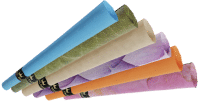
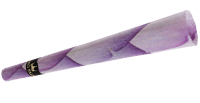
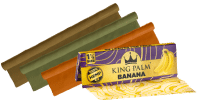
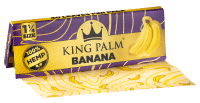
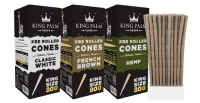
King Palm wraps, for example, use Cordia palm leaf instead of bleached paper. The result is a slower, cooler burn that keeps terpenes intact. Pairing them with 25 Flavored Filters - 7mm adds flavor without overpowering the flower.
Combustion, Not Just Smoke
When the joint tip hits flame, heat causes cannabinoids and terpenes to vaporize. That’s where the flavor and effects come from. Too much heat burns those off before they do anything. That’s why slow, even lighting matters. Controlled burn equals better taste and smoother hits. If a joint tastes burnt, the temperature or airflow was likely off.
Get Set Before You Spark
Pick a Comfortable Setting

Product Featured: Smoke Clip
Lighting a joint in the wrong environment sets you up for frustration. Windy backyards, crowded spaces, or places with no airflow can throw off the burn or make it hard to keep the joint lit. Choose a spot with a calm breeze or good ventilation. A relaxed setting lets you focus on the session, not fighting the elements.
A Smoke Clip can also make a difference, especially outdoors. It holds the joint steady and keeps fingers away from the burn. This tool gives you better control during the light-up and smooth handling all the way through.
Prep Your Body and Mind
Smoke hits differently depending on how you feel. Being well-hydrated and fed helps the body process the effects more comfortably. Take a few minutes to settle in. Rushing leads to harsher hits and a restless high. If you're new to smoking or trying a stronger strain, start with a small amount and pace your pulls.
Check the Quality of the Roll
Before lighting, look at the joint. Make sure it's evenly packed with no soft spots or bulging areas. Check that the filter is secure and that the tip is dry. Joints that are too loose canoe easily. Joints that are too tight clog fast. A palm leaf roll offers more structure than thin papers and burns more evenly when packed right.
How to Light It Without Ruining the Tip
Start from the Edge, Not the Center
Good lighting starts with patience. Hold the flame close to the edge of the joint and rotate it slowly. Let the paper or wrap catch fire evenly. Don’t point the flame directly at the tip or into the middle. That creates a hot cherry and burns off flavor before the session even starts.
Some smokers use hemp wick or matches for a cleaner light. If you're using a lighter, keep the flame small and controlled. Getting the edge to glow before your first puff makes a big difference in how the rest of the joint burns.
Avoid Sucking While Lighting
Pulling on the joint while lighting it draws in a rush of heat and air. This often leads to canoeing or a burnt tip. Let the flame do the work first. Once the tip has a steady, even glow, then you can take a slow, controlled pull to activate the full burn.
Let the Paper Catch Fully
Rushing this step ruins the burn. After the edge lights up, wait a moment. You’ll see the paper or wrap begin to glow all around. That’s when it’s ready. Some wraps like King Palm’s palm leaf rolls may take a second longer to catch, but that slower light pays off with smoother airflow and a steadier burn.
How to Inhale Without Coughing or Wasting Hits
Control the Draw
Start slow. Take a short pull, not a full inhale. Get used to the density of the smoke and the airflow. A proper draw feels smooth and steady. If it’s tight or you’re pulling hard, the roll might be packed too tight or the filter may be blocked.
Hold Gently, Then Exhale
There’s no need to hold in the smoke for more than a few seconds. Cannabinoid absorption happens fast. Holding too long increases irritation, not effect. Let the smoke sit for a second, then exhale slowly. This keeps your rhythm steady and avoids coughing fits.
Use Filters for Cooler Smoke
The right filter can make or break the experience. Basic cardboard tips block debris but do little to soften the hit. Corn husk filters cool the smoke as it passes through. That means smoother pulls and less heat on your throat. These filters also hold their shape, so the draw stays consistent from start to finish.
How to Keep It Lit and Burning Even
Rotate the Joint
Keeping the cherry balanced is key to a smooth burn. Turn the joint between your fingers after each hit. This rotation helps distribute the heat evenly across the tip. When only one side burns, that’s when you get canoeing. Staying ahead of it with slow, steady turns keeps the roll burning right.
Tap the Ash, Don’t Flick
Ash builds up during a good burn, and that’s fine. But when it’s time to knock it off, tap gently. Flicking the joint too hard can damage the wrap or knock out the cherry. Letting a light ash form actually helps insulate the burn, which supports a slower, more consistent session.
Watch for Canoeing
If one side starts to run, dampen the fast-burning edge with a fingertip. Then take a few slow pulls to even it out. Relighting uneven joints without fixing the cause usually leads to relighting again, and again. A few seconds of correction early on can save the whole smoke.
Smoking Etiquette That Actually Matters

Featured Products: Mini Groot Wooden Smoke Clip
Puff, Pass, Don’t Hog
Pass the joint after a couple of puffs. Holding it too long cools the cherry, which increases the chance of uneven burns. In group settings, passing quickly also keeps things smooth and shows respect to everyone in the circle.
Keep the Tip Dry
Wet filters ruin airflow and change the structure of the joint. Use your lips lightly to draw. If the tip does get soggy, swap it out or dry it off before the next hit. Products like the Mini Groot Wooden Smoke Clip give you grip without touching the roll directly, keeping the filter clean and the draw smooth.
No Re-Rolling Burnt Ends
Once a joint is smoked down, don’t try to reroll the remains into a new one. The flavor is gone, and the tar build-up at the filter makes the new roll taste harsh and stale. If there’s leftover flower, save it before the burn reaches the tip and use it in a fresh roll.
What to Do If You Want to Pause the Session
Stub the Cherry, Don’t Crush
To pause mid-session, gently press the cherry against a non-flammable surface to extinguish it. Crushing the roll ruins the structure and makes relighting harder. Once it’s out, let it cool completely before storing.
Store It Properly

Product Featured: Screw Top Jar
Use a storage tube or Screw Top Jar to hold the half-smoked joint. This controls the smell and protects the roll from getting crushed or dried out. Avoid putting it in pockets or bags unprotected.
Relighting Tips
Before relighting, remove the ash. Then apply a slow, even flame to the edge, not the tip. Rotate the joint as it catches. Don’t pull hard at first. Let it relight fully before taking your next hit. This prevents a harsh, smoky restart and helps preserve what’s left of the flavor.
Real Concerns Smokers Run Into
“Why Does My Throat Hurt After One Joint?”
This happens often with wraps that burn too fast or joints made with dry flower. Thin rolling papers, poor filters, and over-tight packs all contribute to hot, harsh smoke. A better option is a slow-burning wrap with built-in cooling, like a corn husk filter or a palm leaf. These reduce irritation without affecting the flavor.
“Why Can’t I Taste Anything?”
Fast burns and uneven airflow strip away terpenes. Stale flower or old pre-rolls also lose flavor quickly. Using fresh flower and burning the joint evenly brings out the real notes of the strain. Lighting too aggressively or drawing too hard causes charring, not vaporization, this kills taste fast.
“Why Do I Feel Anxious After One Hit?”
The cause is often over-inhalation or taking too much too quickly. Slowing down your session helps. Low-tolerance smokers should start with smaller joints or half-smokes. Pacing your draws and spacing out your hits keeps the effects smoother and more manageable.
“How Do I Smoke Without Everyone Smelling It?”
Cannabis odor is strong and travels easily. While no method removes it completely, smaller joints and steady draws reduce the volume of smoke released. Smoking near ventilation or outdoors with distance helps cut down lingering scent. Sealing a joint inside a jar afterward contains the smell better than soft storage.
Smarter Smoking Starts With Better Materials
Not All Wraps Burn the Same
The wrap sets the tone for the entire session. Paper burns fast and can leave ash everywhere. Palm leaf wraps like those from King Palm burn slower, hold structure, and deliver a smoother draw. They also preserve the flavor of the flower longer, especially when paired with fresh, evenly ground bud.
Filters That Actually Work
A standard paper crutch blocks plant bits but doesn’t filter heat. Corn husk filters are designed to cool the smoke and maintain airflow, even after multiple hits. They don’t collapse or clog, and they improve the comfort of every pull without changing the taste of the strain.
Pack Once, Smoke Better
The way you fill your joint changes how it burns. Packing in layers helps keep the airflow steady and prevents hot spots. A proper joint rolling machine helps get even density, especially for beginners. It’s not cheating, it’s smart prep. The more consistent your pack, the better your smoke.
How You Smoke Shapes How It Feels

Every step in the smoking process plays a role. The wrap, the filter, the light, and the pace all affect flavor, smoothness, and comfort. When you know how to smoke a joint properly, the entire session changes for the better. You waste less, enjoy more, and get closer to the full experience your strain can offer.
Better tools and smarter habits lead to better smoke. Whether you're lighting up solo or passing it around, doing it right turns a joint into something worth remembering. Products from King Palm make that easier, designed for control, clean flavor, and a smoother pull from start to finish. Smoke with intention, roll with purpose, and elevate every session.
Ready to elevate your next session? Grab a pack of King Palm wraps and see how clean, cool, and flavorful a real smoke can be. No glue, no additives, just pure experience from spark to finish.
The average joint burns for 5-7 minutes, but proper technique can extend sessions up to 12 minutes with better flavor retention.
Understanding burn time helps you pace your session and maximize what you've rolled. Temperature control is the deciding factor. Joints that burn too hot waste cannabinoids and produce harsh smoke. Slow, measured pulls keep the cherry at an optimal temperature range of 400-500°F, where terpenes vaporize without combusting completely.
King Palm wraps naturally burn 30% slower than standard rolling papers due to their thicker palm leaf construction and lack of chemical additives. This extended burn time means more flavor in every hit and less waste from runaway cherries.
Common Mistakes That Ruin Joint Sessions
| Mistake | What Happens | How to Fix It |
|---|---|---|
| Lighting the center directly | Uneven burn, canoeing, wasted flower | Toast the tip by rotating it above the flame before first inhale |
| Taking deep lung hits immediately | Harsh throat burn, coughing fits | Start with mouth pulls, then gradually inhale deeper |
| Wet lips on the filter | Soggy tip, restricted airflow, bacteria buildup | Keep lips dry, wipe the mouthpiece between passes |
| Holding smoke too long | No extra absorption after 3 seconds, just lung irritation | Exhale within 2-4 seconds for optimal absorption |
| Leaving joints exposed to air | Flower dries out, harsh smoke, lost potency | Store in airtight tubes with humidity packs between sessions |
Studies show 95% of THC absorption happens within 3 seconds of inhalation, making extended breath-holding unnecessary.
According to research published in the Journal of Clinical Pharmacology, holding smoke longer than a few seconds doesn't increase cannabinoid absorption but does increase tar exposure and respiratory irritation. The lungs absorb THC and other cannabinoids almost instantly upon contact with lung tissue.
This means the key to an effective session isn't how long you hold each hit, but how evenly you burn the joint and how consistently you pull. Smooth, regular draws maintain steady airflow and temperature, which extracts compounds more efficiently than sporadic deep hits.
How to Extend a Joint Between Sessions
If you're not finishing in one sitting, proper storage prevents waste. Gently stub out the cherry against a hard surface, don't crush the end. Let it cool for 30 seconds, then place it in an airtight container or smell-proof tube. Every King Palm pack includes a humidity pack that maintains optimal moisture levels and prevents the wrap from becoming brittle.
Relighting a partially smoked joint requires extra care. The resin buildup near the tip can taste harsh. Remove any loose ash, then toast the edge lightly before taking your first pull. King Palm's natural palm leaf doesn't produce the same chemical aftertaste that relit paper joints often have, making them ideal for extended sessions.
Temperature fluctuations of more than 50°F can degrade cannabinoid potency by up to 15% within 48 hours.
Storage conditions directly impact your next session. Joints left in cars, pockets, or humid environments lose potency and flavor fast. Keep them in a cool, dark place with stable temperature. The humidity pack included with King Palm products regulates moisture at 62% relative humidity, the optimal level for preserving terpenes and preventing mold.
For regular smokers, investing in proper storage pays off. Small airtight jars or dedicated joint tubes protect your roll from physical damage and environmental degradation. This is especially important if you pre-pack multiple cones for convenience.
FAQ
How do you properly inhale when smoking a joint?
Start with a gentle mouth pull to draw smoke in, then inhale fresh air immediately after to push the smoke into your lungs. Exhale after 2-4 seconds, as holding longer doesn't increase THC absorption. Beginners should take smaller pulls until they find a comfortable rhythm.
Why does my joint keep going out?
Joints go out due to poor airflow from tight packing, moisture in the flower, or insufficient oxygen reaching the cherry. Make sure your grind isn't too fine, don't pack too tightly, and take regular pulls every 30-60 seconds to keep the ember alive. King Palm wraps burn more consistently than paper because of their natural palm leaf construction.
What's the difference between smoking a joint and a blunt?
Joints use thin rolling papers or natural wraps, while blunts use tobacco leaf wrapping. Blunts burn slower and contain nicotine, which creates a different buzz. King Palm wraps offer a tobacco-free alternative that burns slower than traditional papers without nicotine, giving you the extended session of a blunt with pure cannabis flavor.
How long should you wait between hits on a joint?
Wait 30-60 seconds between pulls to prevent overheating and harsh smoke. This pacing keeps the cherry at optimal temperature, preserves flavor, and gives your body time to process each hit. Rotating the joint slightly between pulls ensures an even burn and prevents canoeing.
Can you relight a joint the next day?
Yes, but proper storage is essential. Stub out the cherry completely, let it cool, then store in an airtight container with a humidity pack to maintain freshness. When relighting, remove loose ash and toast the tip gently. The natural palm leaf in King Palm wraps doesn't produce the stale paper taste that relit traditional joints often have.


