














What Are Humidity Packs?
Humidity packs are small sachets designed to maintain a specific relative humidity level inside an airtight container. They use two-way humidity control technology—meaning they either add or absorb moisture as needed to keep your herbs, wraps, and smoking materials at the perfect moisture level.
Most humidity packs are filled with a solution of salt and water held in a semi-permeable membrane. This solution naturally regulates to a precise humidity level, typically 62% or 58% RH (relative humidity), which is ideal for storing botanical materials.
Unlike single-use desiccant packets that only absorb moisture, quality humidity packs work in both directions. Too dry? They release moisture. Too humid? They absorb excess. It's a set-it-and-forget-it solution for maintaining freshness.
Key Takeaways
- Humidity packs maintain optimal moisture levels (typically 62% RH) for herbs and wraps
- Two-way control means they add or remove moisture as needed
- Proper humidity prevents wraps from becoming brittle and herbs from drying out
- Every King Palm pack includes a humidity pack to ensure freshness
- Packs last 2-6 months depending on conditions and should be replaced when hardened
Why Humidity Control Matters for Smokers
Moisture content directly affects your smoking experience. When wraps and herbs lose moisture, they become harsh, brittle, and difficult to work with. The flavor profile changes, the burn rate becomes uneven, and you're left with a subpar session.
Dry wraps crack when you try to pack them. Brittle leaf materials crumble instead of staying intact. Over-dried herbs burn too fast and taste harsh, while overly moist materials won't stay lit and can develop mold.
The ideal storage environment sits around 58-62% relative humidity. This range keeps botanical materials pliable and preserves the natural oils and terpenes that contribute to aroma and flavor. It's the sweet spot where everything works as intended.
The Cost of Improper Storage
Without humidity control, you're essentially leaving your products at the mercy of your environment. A heated room in winter might drop to 20% RH, sucking moisture from everything exposed. A humid summer bathroom could spike to 70-80% RH, creating conditions for mold growth.
Quality natural leaf wraps aren't cheap, and neither are premium herbs. Proper storage with humidity packs is simple insurance against waste. You wouldn't store wine in direct sunlight or leave expensive cigars in a cardboard box—the same logic applies here.
How Humidity Packs Work
The science behind humidity packs is elegantly simple. Inside each pack is a saturated salt solution—typically a proprietary blend—that naturally equilibrates to a specific humidity level. This solution is held in a food-grade material that allows water vapor to pass through while keeping the liquid contained.
When ambient humidity drops below the pack's target level, water molecules evaporate through the membrane and into the surrounding air. When humidity rises above the target, the solution absorbs excess moisture from the environment. This happens automatically, with no batteries, no monitoring, and no intervention needed.
Different salt solutions equilibrate to different humidity levels, which is why you'll see packs labeled as 62%, 58%, 69%, and other percentages. The most popular for herb storage is 62% RH—high enough to maintain pliability and preserve terpenes, but low enough to prevent mold.
Two-Way vs. One-Way Control
This is where humidity packs differ from the silica gel packets you find in shoe boxes and electronics packaging. Those desiccants only absorb moisture—they're one-way systems designed to protect against humidity damage during shipping and storage.
Humidity packs for smoking materials need to work both ways because the goal isn't to eliminate moisture, it's to maintain an optimal level. If you used silica packets in your stash jar, you'd end up with bone-dry, harsh materials. Not ideal.
When to Use Humidity Packs
Any time you're storing herbs, wraps, or rolling materials for more than a few days, humidity control becomes important. If you keep a personal supply that lasts weeks or months, packs are essential. If you only pick up what you'll use that evening, you can probably skip them.
Climate matters too. Dry environments—think desert regions, heated homes in winter, or air-conditioned offices—will sap moisture from organic materials quickly. If you notice wraps becoming brittle or herbs turning dusty, that's your sign that humidity control would help.
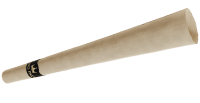
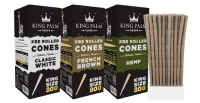
Every pack of King Palm pre-rolled cones includes a humidity pack for exactly this reason. Natural palm leaf wraps need to maintain their pliability to function properly. The pack ensures that whether you use the first cone or the last one in the pack, the smoking experience is consistent.
Storage Containers That Work
Humidity packs only work in airtight containers. The pack can't maintain humidity if moisture is constantly escaping. Mason jars, CVault containers, and purpose-built herb jars with rubber gasket seals all work well.
Size matters—match your pack size to your container volume. A small 4-gram pack works for containers up to about 1 ounce capacity. An 8-gram pack handles up to a half-pound. Check the manufacturer's recommendations, but generally, bigger is better than too small.
Choosing the Right Humidity Level
The 62% RH standard has become popular for good reason. It's high enough to keep materials from drying out while low enough to prevent mold growth. Most commercial humidity pack brands offer 62% as their primary option for herb storage.
Some smokers prefer 58% RH for long-term storage, especially in humid climates where the ambient environment already runs high. The slightly lower humidity provides additional insurance against mold while still maintaining adequate moisture for quality preservation.
You might see 69% and 72% options marketed for cigar storage. These higher levels are appropriate for tobacco products that benefit from more moisture, but they're generally too high for herbs and botanical smoking materials. Stick with 58-62% for wraps and herbs.
Testing and Adjusting
If you want to verify your storage environment, invest in a small hygrometer—a device that measures relative humidity. Digital models cost $10-20 and take the guesswork out of storage conditions.
Place the hygrometer in your storage container along with your humidity pack. After 24 hours, check the reading. It should stabilize at or near the pack's rated percentage. If it doesn't, you might need a larger pack, a better seal on your container, or a pack replacement.
How Long Humidity Packs Last
Lifespan depends on environmental conditions and how hard the pack has to work. In a well-sealed container in a stable environment, a pack might last 4-6 months. In a poorly sealed container or in extreme conditions, it might only last 2-3 months.
The pack will feel soft and slightly gel-like when fresh. As it depletes, it becomes harder and eventually turns into a solid brick. Once hardened, the pack has exhausted its ability to regulate humidity and should be replaced.
Some brands offer rechargeable packs that can be revitalized by soaking in distilled water. Whether this is worth the effort versus buying new packs is a personal preference. New packs are inexpensive and eliminate any guesswork about proper recharge procedure.
Humidity Packs for Natural Leaf Wraps
Natural leaf products like King Palm wraps are particularly sensitive to humidity. Unlike heavily processed papers, natural leaves retain much of their original structure and require proper moisture to remain pliable.
A dried-out palm leaf wrap becomes brittle and prone to cracking when you try to pack it. The leaf loses its structural integrity and may tear during filling. Proper humidity keeps the leaf supple so it maintains its shape and provides a smooth smoking experience.
This is why humidity packs come standard with King Palm products. The company understands that natural materials need protection from environmental fluctuations. It's not a gimmick or an upsell—it's necessary product care.
Pre-Rolled Cones vs. Flat Wraps
Both pre-rolled cones and flat wraps benefit from humidity control, but cones have an additional consideration. Because they're already formed, any brittleness or structural weakness becomes immediately apparent when you try to pack them.
A flat wrap that's slightly dried can sometimes be salvaged with careful handling. A pre-coned roll that's lost moisture will crack at the seam or tip when you apply pressure during packing. Maintaining consistent humidity is essential for cones to function as designed.
Common Mistakes to Avoid
Don't store humidity packs directly touching your herbs or wraps. While the packs are food-safe, direct contact can create localized moisture spots. Keep them separate within the container, or use the container's designed compartment if available.
Avoid opening your storage container repeatedly throughout the day. Every time you open it, you're exchanging the controlled internal atmosphere with ambient air. This makes the humidity pack work harder and shortens its lifespan. Portion out what you'll use for the day and leave the rest sealed.
Don't mix old and new packs in the same container. An exhausted pack can actually absorb moisture from a fresh pack, reducing the effectiveness of both. Replace all packs at once rather than piecemeal.
Watch for Warning Signs
If you notice condensation on the inside of your storage container, your humidity level is too high. This can happen if you've used too large a pack for your container size or if your ambient environment is very humid. Remove the pack temporarily to let things dry out, then use a smaller pack or add better ventilation.
On the flip side, if materials continue to dry out despite using a humidity pack, check your container seal. Even small leaks can undermine humidity control. Also verify the pack hasn't hardened—an exhausted pack provides no moisture regulation.
Where to Get Humidity Packs
Most smoke shops carry humidity packs, usually near the storage containers and accessories. Online retailers offer larger quantities at better prices, and bulk packs often include multiple sizes so you can match the right pack to each container.
Major brands include Boveda, Integra Boost, and several store brands that work equally well. The technology is standardized enough that most quality packs perform similarly. Focus on the right humidity percentage and pack size for your needs rather than getting caught up in brand loyalty.
Remember that King Palm products already include humidity packs, so you're covered out of the box. If you transfer the cones to a different storage container or need to refresh the pack after extended storage, replacement packs are widely available.
Humidity Packs for Travel
Portable storage is trickier than home storage because you're exposing your materials to varying temperatures and humidity levels. A small humidity pack in a smell-proof travel case helps maintain consistency even when you're on the go.
Choose smaller pack sizes for travel containers—a 1-gram or 4-gram pack is usually sufficient for personal carry amounts. Make sure your travel container seals properly; many "travel tubes" have mediocre seals that let moisture escape.
Be aware that extreme temperature changes can affect humidity pack performance. A container left in a hot car or exposed to freezing temperatures may see temporary humidity fluctuations. This won't damage the pack permanently, but performance may be inconsistent until temperatures normalize.
The Bottom Line on Humidity Control
Humidity packs are simple, inexpensive, and effective. If you're serious about maintaining the quality of your smoking materials, they're a no-brainer investment. The cost is negligible compared to the value of the products you're protecting.
Natural leaf products like King Palm wraps particularly benefit from proper humidity control. The difference between a properly stored wrap and a dried-out one is immediately obvious in both handling and smoke quality.
You don't need to overthink it. Get a pack rated at 62% RH, place it in an airtight container with your materials, and replace it every few months. That's the entire maintenance routine. Simple care preserves quality.
Frequently Asked Questions
Can you reuse humidity packs?
Some brands offer rechargeable packs that can be restored by soaking in distilled water. However, most smokers find it simpler to replace packs rather than attempt recharging. A fresh pack guarantees proper humidity control, while a recharged pack may not restore to original performance. Given the low cost of replacement packs, most people opt for new rather than dealing with the recharge process.
How do you know when a humidity pack needs replacing?
A fresh humidity pack feels soft and slightly gel-like when you squeeze it. As the pack depletes, it gradually hardens. Once it feels completely solid like a brick, it's exhausted and should be replaced. You might also notice your materials becoming drier than usual, which indicates the pack is no longer regulating humidity effectively. Most packs last 2-6 months depending on conditions and container seal quality.
What's the difference between 58% and 62% humidity packs?
The 62% RH pack maintains slightly higher moisture levels and is the most popular choice for general herb and wrap storage. The 58% option runs a bit drier and is preferred by some users in humid climates or for very long-term storage where mold prevention is a priority. Both work well—62% is the standard recommendation, but 58% is worth considering if you live in a naturally humid environment or store materials for months at a time.
Do I need a humidity pack if I smoke everything within a week?
For short-term storage of a few days to a week, humidity packs aren't strictly necessary if you're keeping materials in a sealed container away from extreme conditions. However, they're inexpensive insurance and eliminate variables. If your environment is particularly dry or you notice materials becoming brittle even over short periods, adding a pack makes sense. King Palm products include packs because natural leaf wraps are sensitive to moisture loss even over short timeframes.
Can humidity packs prevent mold?
Humidity packs help prevent mold by maintaining humidity below the levels where mold typically grows, which is generally above 65% RH. By keeping conditions at 58-62%, packs create an environment that's moist enough for quality preservation but dry enough to inhibit mold development. However, packs cannot reverse existing mold or rescue materials that were already contaminated. They're preventive tools, not remediation solutions. Always inspect materials before storage and never store damp or wet materials even with humidity control.


