






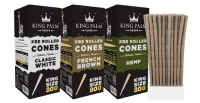


King Palm vs. Backwoods: Which Wrap Is Actually Better?
Backwoods have been the gold standard of blunt culture for a long time. The rustic tobacco leaf, the natural look, the rolling ritual — there's a reason they built a loyal following. But over the last few years, King Palm has become the name that keeps coming up as the alternative smokers are switching to.
So how do they actually compare? This breakdown covers everything that matters: material, burn, flavor, nicotine, rolling experience, freshness, and who each wrap is really built for. No fluff — just a straight comparison so you can make the call yourself.
The Basics: What Each Wrap Is Made From
Backwoods are small cigars made entirely from natural tobacco leaf — the filler and the outer wrap. The outer leaf is what smokers use for blunts, unrolling the cigar and repacking it with cannabis. The tobacco leaf is thicker and more textured than a standard cigarillo wrap, which gives Backwoods their characteristic rustic look and feel.
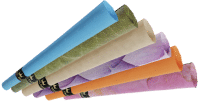
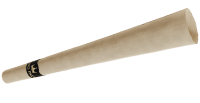
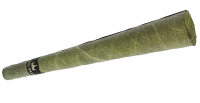
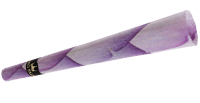
King Palm wraps and cones are made from Cordia palm leaf — a natural leaf that contains no tobacco and no nicotine. The palm leaf is harvested, dried, and shaped into wraps and pre-rolled cones. There are no additives, no chemicals, and no glue. The result is a wrap that burns clean and slow without adding anything to your flower.
That single material difference — tobacco leaf vs. palm leaf — is what drives every other difference between the two.
Nicotine: The Biggest Difference
This is the most important factor for a growing segment of smokers, and it's not close.
Every Backwoods session includes nicotine. It's in the tobacco leaf itself, and it transfers to the smoke whether you want it or not. For cannabis-only smokers, this is an addition they never opted into — and for daily or frequent smokers, it adds up.
King Palm wraps contain zero nicotine. The Cordia palm leaf is not tobacco and never was. If you want your session to be purely cannabis with nothing added, King Palm is the straightforward choice. This is the single most cited reason smokers make the switch.
Burn Quality and Consistency
Both Backwoods and King Palm are known for slow burns — it's one of the reasons both have loyal followings. But they get there differently, and the consistency tells two different stories.
Backwoods burn slowly when rolled well, but they're sensitive to how the wrap was unrolled, how it was moistened, and how evenly the herb was packed. An imperfect roll means an uneven burn — runs and canoeing are more common with Backwoods than with most other wraps because of how variable the leaf thickness is across a single cigar.
King Palm burns slow and even consistently. The palm leaf is uniform in thickness, and because King Palm cones are pre-rolled rather than unrolled from a cigar, you're starting from a more controlled foundation. The corn husk filter also helps regulate airflow, which contributes to a steadier burn from start to finish.
Flavor Impact: What You Taste
This comes down to what you want from your wrap.
Backwoods add a distinct tobacco flavor to every session. Some smokers love it — the tobacco taste is part of the experience they're after, and it pairs with certain strains in a way they enjoy. Others find it masks the terpene profile of their flower, especially with premium cannabis where the flavor is a big part of what you're paying for.
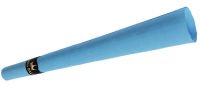
King Palm is intentionally neutral. The palm leaf doesn't contribute a competing flavor, which means your flower tastes like your flower. King Palm also offers flavored cones — California Cream, Watermelon Wave, Honey Mango, and others — where the flavor comes from a flavor bead in the corn husk filter, not from additives in the wrap itself. You get the option of flavor without it affecting the wrap material or the burn.
Rolling Experience: Skill Required
Backwoods have a reputation for being difficult to roll. The leaf is natural and irregular — it tears easily if you rush it, it dries out fast once you open it, and getting an even roll takes practice. Experienced smokers who've been rolling Backwoods for years make it look effortless, but the learning curve is real. There's a reason Backwoods rolling videos get millions of views.
King Palm cones eliminate the rolling step entirely. The cone is pre-rolled from palm leaf and comes with a corn husk filter already in place and a packing stick included. You grind your herb, load the cone, use the packing stick to tamp it down in layers, twist the tip closed, and you're done. There's no tucking, no sealing, no technique to master. For smokers who want a great blunt without the rolling ritual, that's a significant advantage.
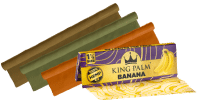
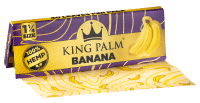
King Palm also offers flat wraps for smokers who prefer to roll themselves — same palm leaf material, same burn quality, just in a format that lets you go through the rolling process if that's part of what you enjoy.
Freshness and Packaging
Backwoods come in foil pouches that provide reasonable protection, but the leaf is susceptible to drying out — especially in low-humidity environments or if the pouch has been opened and resealed a few times. A dry Backwoods leaf cracks when you unroll it, which can ruin the wrap before you've even started.
King Palm includes a humidity pack in every pouch. The wraps and cones stay at the right moisture level from the moment you open the package to the moment you're ready to use them. You don't need to manage storage conditions or worry about the leaf drying out between sessions — the humidity pack handles it.
Side-by-Side Comparison
Factor
Backwoods
King Palm
Material
Natural tobacco leaf
Natural Cordia palm leaf
Nicotine
Yes — unavoidable
None
Tobacco flavor
Yes — adds to smoke
No — flavor-neutral
Burn quality
Slow, but can run if uneven
Slow and consistent
Rolling difficulty
High — skill required
Cones: none. Wraps: moderate
Freshness packaging
Foil pouch
Pouch with humidity pack
Filter included
No
Yes — corn husk filter
Flavor options
Natural tobacco only
Multiple flavor bead options
Availability
Gas stations, smoke shops
Smoke shops, online
Price (per wrap)
~$1.50–2.00
~$2.00–3.00
Who Each Wrap Is Built For
Backwoods are for smokers who want the full tobacco leaf experience — the flavor, the rolling ritual, the nicotine hit alongside their cannabis. They reward experienced rollers and have a loyal community built around exactly that experience. If tobacco is part of what you enjoy about smoking a blunt, Backwoods deliver it.
King Palm is for smokers who want the blunt experience — slow burn, substantial feel, full session — without the tobacco. That means no nicotine, no tobacco flavor competing with your flower, and no rolling skill required if you use the cones. It's the choice for cannabis-focused smokers who've either moved away from tobacco or never wanted it in the first place.
Neither is objectively better. They're built for different priorities. The question is which set of priorities matches yours.
→ Shop King Palm Wraps & Cones
Frequently Asked Questions
Is King Palm better than Backwoods?
It depends on what you're looking for. King Palm is better for smokers who want a tobacco-free, nicotine-free blunt with a consistent burn and no rolling skill required. Backwoods is better for smokers who enjoy the tobacco flavor and the hands-on rolling ritual. Both burn slowly and deliver a full session — the difference is what's in the wrap.
Do King Palm wraps have tobacco in them?
No. King Palm wraps and cones are made from Cordia palm leaf, which is not tobacco. They contain no tobacco, no nicotine, and no additives of any kind. The only things in a King Palm cone are the palm leaf wrap, the corn husk filter, and — in flavored options — a flavor bead inside the filter.
Are Backwoods easier or harder to roll than King Palm?
Backwoods are significantly harder to roll. The natural tobacco leaf tears easily, dries out quickly, and requires a practiced tuck-and-roll technique to get right. King Palm pre-rolled cones require no rolling at all — you load and pack. King Palm flat wraps require some rolling skill but are generally more forgiving than tobacco leaf.
Why do smokers switch from Backwoods to King Palm?
The most common reasons are nicotine and convenience. Many cannabis smokers don't want the nicotine that comes with every tobacco wrap session. Others switch because King Palm cones are faster and easier — no unrolling, no gutting, no sealing. Flavor neutrality is also a factor for smokers who want to taste their cannabis without tobacco flavor on top of it.
Does King Palm burn as slow as Backwoods?
Yes. King Palm's Cordia palm leaf is one of the slowest-burning natural wrap materials available. Most smokers who switch from Backwoods report comparable or longer session times with King Palm, with more consistent burn throughout — fewer runs and less canoeing because the palm leaf is more uniform in thickness than natural tobacco leaf.
Do King Palm cones come with a filter?
Yes. Every King Palm cone includes a corn husk filter at the mouthpiece end and a packing stick to help you load evenly. The filter improves airflow, keeps herb out of your mouth, and contributes to the even burn King Palm is known for. Backwoods do not include a filter.


