







TL;DR — Key Takeaways
- A rolling machine creates consistently tight, even rolls faster than hand-rolling — ideal if you value speed and uniformity
- Manual rollers ($5-15) are portable and simple; electric models ($30-100+) handle bulk production but sacrifice portability
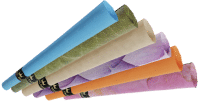
- Rollers work only with flat wraps or papers — pre-coned products like King Palm cones skip the rolling step entirely
- Proper technique (even distribution, correct tension, gentle rolling) prevents common issues like canoe burns and loose ends
- Consider whether you actually need one — packing pre-coned wraps often delivers better flavor and zero learning curve
What Is a Rolling Machine?
A rolling machine is a simple mechanical device that helps you roll smoking materials into cylindrical form using flat papers or wraps. The basic design hasn't changed much in decades: two rollers (or one roller and one apron) compress and shape your material, then wrap it in paper as you turn a crank or push a button.
The appeal is straightforward. Hand-rolling takes practice, and even experienced rollers occasionally produce uneven or loose results. A machine removes most of the skill barrier and delivers consistent diameter and tightness every time.
That consistency matters for burn quality. An evenly distributed roll burns more uniformly, wastes less material, and reduces the frustration of relighting or dealing with runs and canoes.
Manual vs. Electric Rolling Machines
Manual Rolling Machines
Manual rollers are the classic choice. You load your material between two spinning rollers (usually made from plastic or rubber), crank them a few times to compress and shape, then insert your paper and roll it through.
Most manual machines cost between $5 and $15. They're pocket-sized, require no power source, and practically indestructible if you buy a decent brand. The learning curve is minimal — most people get the hang of it within two or three attempts.
The downside: they're single-serve. If you need to prepare more than a few at a time, the repetitive motion gets tedious fast.
Electric Rolling Machines
Electric models automate the cranking. You load the material, insert the paper, press a button, and the machine does the rest. High-end units can produce dozens of identical rolls in minutes.
Prices range from around $30 for basic motorized rollers to $100+ for commercial-grade machines with adjustable tension and size settings. They're faster and more consistent than manual models, but you sacrifice portability and quiet operation.
Unless you're rolling in bulk regularly, the extra cost and hassle rarely justify themselves for personal use.
How to Use a Rolling Machine Properly
Step 1: Prepare Your Material
Grind to a medium consistency — not powder, not chunks. The goal is even particle size so the material distributes uniformly across the paper width. Remove stems and seeds; they create hard spots that burn unevenly or punch through the wrap.
How much you load depends on paper size and personal preference, but start conservative. Overfilling is the most common beginner mistake and leads to loose, sloppy rolls.
Step 2: Load the Machine
Open the roller and spread your material evenly along the length of the apron or between the rollers. Don't pile it in the center or pack one end heavier than the other. Think of it like buttering toast — edge to edge, consistent thickness.
Close the roller gently. If you have to force it shut, you've overloaded. Remove some material and try again.
Step 3: Shape the Roll
Roll the apron or crank the handle toward you several times (usually 3-5 rotations). You're compressing the material into a cylindrical shape. You should feel slight resistance — too easy means you didn't load enough, too hard means you loaded too much.
Check through any viewing window or gap to confirm the material has formed a uniform cylinder before proceeding to the next step.
Step 4: Insert the Paper
Position your rolling paper with the gum strip facing you and on top. Tuck the non-gum edge into the roller gap, then continue cranking or rolling. The machine will pull the paper around the cylinder and wrap it tightly.
When the gum strip reaches the roller, lick it (or use a damp finger) and make one final roll to seal. Some people lick the strip before inserting; either works fine.
Step 5: Remove and Finish
Open the machine and carefully remove your finished roll. Twist or fold the ends if needed, or leave them open depending on your style. Tap the roll gently on a hard surface to settle the contents and ensure even distribution.
Let it rest for 30 seconds before lighting. This gives the gum a moment to fully adhere and prevents premature unraveling.
Common Rolling Machine Problems and Fixes
Loose or Floppy Rolls
Usually caused by insufficient material or not enough compression cycles before inserting the paper. Add a bit more next time and give it an extra crank or two during the shaping phase.
Some machines have adjustable tension settings. If yours does, tighten it slightly until you get the firmness you want.
Paper Tearing or Bunching
This happens when you crank too fast or use fragile papers with a heavy hand. Slow down and use steady, even pressure. Switch to thicker papers if the problem persists — ultra-thin papers demand a gentler touch than most machines provide.
Uneven Burn (Canoeing)
Almost always a packing issue, not a machine issue. The material wasn't distributed evenly during loading, so one side is denser than the other. Take an extra moment to spread things uniformly before closing the roller.
Humidity also plays a role. Overly dry material burns too fast; too moist and it won't stay lit. Store your wraps and materials properly with humidity control to maintain consistency.
Material Falling Out the Ends
You either overfilled the machine or didn't twist/pack the ends after rolling. Leave a small gap at each end when loading, and always finish the ends before your first draw.
Rolling Machine Sizes: Which One Do You Need?
Most rolling machines accommodate standard paper sizes: 70mm (regular), 79mm (1¼), and 110mm (king size). Some adjustable models handle multiple sizes, but dedicated single-size machines usually perform better.
Match your machine to your preferred paper size. Trying to use 70mm papers in a 110mm machine wastes material and produces inconsistent results. If you switch sizes frequently, buy two inexpensive manual rollers rather than one "universal" model.
For blunt wraps and other wider materials, look for machines specifically designed for that width. Standard cigarette rollers often can't accommodate the extra girth.
Flat Wraps vs. Pre-Coned: Do You Actually Need a Rolling Machine?
Here's the question most articles skip: maybe you don't need a rolling machine at all.
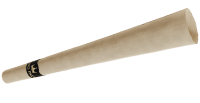
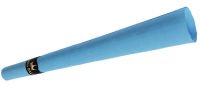
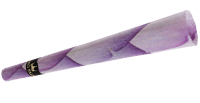
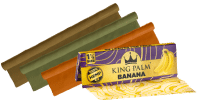
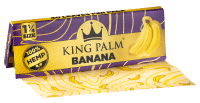
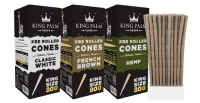
Rollers work only with flat papers and wraps. They compress and shape raw materials, then wrap them in a flat sheet. But if you're using pre-coned products like King Palm pre-rolled cones, the rolling step is already done. You just pack the cone from the open end and you're finished.
Why Pre-Coned Wraps Often Make More Sense
Packing a cone is faster than using a rolling machine. There's no setup, no learning curve, no cleaning apron residue, and no risk of tearing delicate wraps during the rolling process.
Pre-coned options also give you access to materials that don't roll well in machines. King Palm wraps, for example, are made from natural Cordia leaves — thicker and more textured than paper. They're designed to be packed, not rolled, which is why they come pre-coned.
You also get better flavor. Palm leaf wraps deliver a smooth, slow burn without the papery taste or chemical additives found in many rolling papers. Every King Palm pack includes a humidity pack to keep the wraps fresh and pliable, so you don't have to worry about brittleness or dryness.
If you value convenience, flavor, and natural materials, skipping the rolling machine and going straight to pre-coned wraps is often the smarter move.
Cleaning and Maintaining Your Rolling Machine
Residue buildup affects performance. Sticky rollers don't spin smoothly, which leads to uneven compression and torn papers.
Clean your machine every 10-15 uses, or sooner if you notice the rollers feeling tacky. Remove any detachable parts and wipe them down with isopropyl alcohol and a lint-free cloth. For stubborn buildup, use a soft brush or cotton swab.
Let everything dry completely before reassembling. Moisture trapped in the roller apron can cause mold or make papers stick during rolling.
Replace worn rollers when they lose their grip or develop flat spots. Most machines use inexpensive, replaceable aprons or belts that you can swap out in seconds.
Top Brands and What to Look For
You don't need to overthink brand selection, but a few names consistently deliver reliable machines:
- RAW — Known for eco-conscious materials and smooth rollers; their 79mm and 110mm manual machines are industry standards
- Zig-Zag — Classic brand with durable plastic construction; affordable and widely available
- OCB — European brand with metal rollers that last longer than plastic alternatives
- Powermatic — Higher-end electric models for those who need volume and speed
Look for machines with replaceable parts, adjustable tension (if you want control), and clear instructions. Avoid novelty designs with flimsy construction or non-standard sizing.
Read user reviews specifically about roller grip and paper compatibility. A machine that works beautifully with one paper brand might shred another.
Alternatives to Rolling Machines
Hand-Rolling
The traditional method. It's portable, requires no equipment, and gives you complete control over tightness and shape. The learning curve is steeper, but once you've got it down, you're never dependent on a device.
Hand-rolling also works with a wider variety of wrap materials and sizes. Machines impose limits; your fingers don't.
Pre-Rolled Cones
As mentioned earlier, pre-coned wraps eliminate rolling entirely. Just pack, twist the top, and light. They're faster than machines, more consistent than hand-rolling, and available in sizes from mini to XXL.
King Palm cones come in multiple sizes and include a corn husk filter tip for smoother draws and natural flavor. Every pack includes a humidity pack, so they stay fresh until you're ready to use them.
Rolling Boxes and Mats
These don't mechanize the process, but they do provide structure and organization. A rolling box keeps your materials contained and offers a smooth surface for hand-rolling. Rolling mats (usually silicone or bamboo) prevent sticking and make cleanup easier.
Neither replaces the consistency of a machine, but they're useful supplements if you prefer manual techniques.
Frequently Asked Questions
Can you use a rolling machine with blunt wraps?
Yes, but you need a machine designed for the wider dimensions of blunt wraps. Standard cigarette rollers are too narrow. Look for models labeled specifically for blunts or cigars, and expect to pay slightly more. Keep in mind that thicker wraps like palm leaf are better suited to pre-coned formats and don't roll well in machines.
How long does a rolling machine last?
Manual machines with metal or high-quality plastic rollers can last years with proper care. The apron or belt is usually the first component to wear out, but most are replaceable. Electric machines have a shorter lifespan due to motor and electronic components — expect 1-3 years of regular use before performance degrades.
Are rolling machines worth it for beginners?
If you're struggling with hand-rolling and want consistent results immediately, yes. A $10 manual roller removes the skill barrier and produces decent rolls on your first try. But if you're open to alternatives, packing pre-coned wraps is even easier and often produces a better smoking experience without the learning curve.
Can you use King Palm wraps in a rolling machine?
No. King Palm products are pre-coned and made from natural palm leaf, which is thicker and less pliable than rolling papers. They're designed to be packed from the open end, not rolled flat through a machine. Attempting to use them in a roller would damage the wrap and won't produce usable results.
What's the best rolling machine size for personal use?
Most people prefer 79mm (1¼ size) or 110mm (king size) machines. The 79mm is a good middle ground — not too small, not wasteful — while 110mm works better if you're sharing or prefer longer sessions. Match your machine size to the papers or wraps you already use, and stick with that size for consistency.


