








Photo by Jeff W on Unsplash

Key Takeaways
- Wax is a potent cannabis concentrate that requires specific techniques and equipment
- Dabbing is the most common method, but you can also layer wax with flower or use specialized vaporizers
- Temperature control is critical—too hot destroys flavor and creates harsh smoke
- Start with tiny amounts (a grain of rice or smaller) and go slow
- Proper storage in airtight containers keeps wax fresh and potent
What Is Wax?
Wax is a cannabis concentrate with a thick, opaque consistency that resembles earwax or honeycomb. It's made by extracting cannabinoids and terpenes from cannabis plant material using solvents like butane or CO2, resulting in a product that's significantly more potent than flower—often containing 60-90% THC compared to 15-25% in traditional bud.
The texture can range from crumbly and brittle (sometimes called "crumble") to soft and sticky ("budder"). Despite the variations in consistency, all these forms are commonly referred to as wax within the concentrate family.
Because of its high potency, wax requires different consumption methods than smoking flower. You can't just crumble it into a joint and expect good results—it needs heat application that's either more intense or more controlled than what you'd use with ground bud.
Why People Choose Wax Over Flower
The appeal of smoking wax comes down to potency and efficiency. A single dab the size of a grain of rice delivers a hit comparable to smoking an entire joint, making it attractive for experienced users with higher tolerances or medical patients who need strong, fast-acting relief.
Wax also produces less odor than smoking flower. While it's not odorless, the smell dissipates faster and doesn't cling to clothes and furniture the same way smoke from combusted plant material does.
Flavor is another factor. High-quality wax preserves the terpene profile of the source strain, delivering clean, intense flavor when consumed at the right temperature. There's no plant matter burning, just concentrated cannabinoids and terpenes.
The Main Methods for Smoking Wax
Dabbing with a Rig
Dabbing is the standard method for consuming wax. A dab rig looks similar to a bong but uses a heated "nail" (typically made of quartz, titanium, or ceramic) instead of a bowl. You heat the nail with a torch until it reaches the optimal temperature, then apply a small amount of wax using a dabber tool.
The wax vaporizes on contact with the hot surface, and you inhale the vapor through the rig. When done correctly, dabbing delivers smooth, flavorful hits that showcase the concentrate's terpene profile.
Temperature matters enormously. Low-temp dabs (around 450-550°F) preserve flavor and provide smoother hits, while high-temp dabs (600°F+) produce bigger clouds but can taste harsh and waste terpenes. Most experienced dabbers prefer the low-temp approach.
Electronic Dab Pens and Vaporizers
Wax pens and concentrate vaporizers offer a portable, torch-free alternative to traditional rigs. These battery-powered devices heat a small chamber or coil where you load your wax, giving you precise temperature control and discreet consumption.
Quality varies widely in this category. Cheap pens with exposed coils can burn wax unevenly and produce a harsh metallic taste. Better devices use ceramic or quartz chambers with adjustable temperature settings that let you dial in your preferred experience.
The portability factor makes wax pens popular for on-the-go use, though they typically don't hit as hard or taste quite as good as a proper dab rig setup.
Layering Wax with Flower
You can combine wax with flower when rolling or packing, which boosts potency while maintaining the familiar experience of smoking bud. The key is using wax as a supplement, not the main ingredient.
For joints or blunts, place small crumbles of wax in the center of your ground flower, creating a "snake" down the middle. This prevents the wax from touching the wrap directly, which can cause running and uneven burning.
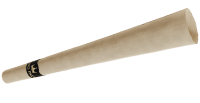
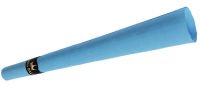
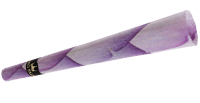
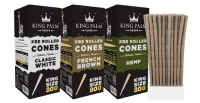
When packing pre-coned rolls like King Palm, you can layer thin amounts of wax between flower. Pack a base layer of flower first, add tiny pieces of wax, then top with more flower. This sandwich method ensures the wax vaporizes properly as you smoke through the cone.
Don't overdo it—wax makes flower burn hotter and faster. Too much concentrate will cause the wrap to burn unevenly or go out repeatedly. Think of wax as a potency enhancer, not the main event.
Topping a Bowl
If you're using a traditional pipe or bong, you can crown a packed bowl with a small piece of wax. Pack flower as usual, then place a rice-grain-sized dab on top. Light the flower around the edges, and the burning bud will generate enough heat to vaporize the wax.
This method is simple but less efficient than dabbing. Some wax inevitably gets pulled through the bowl or doesn't fully vaporize, and you can't control temperature the way you can with a rig.
Equipment You'll Need
For Dabbing
A complete dab setup includes a rig, a nail (quartz is the gold standard), a carb cap to control airflow and retain heat, a dabber tool to handle the sticky wax, and a butane torch for heating. You can also add a temperature gun to take the guesswork out of finding your ideal temp.
Electronic nails (e-nails) replace the torch with a heating element that maintains consistent temperature. They cost more upfront but eliminate the learning curve of torch dabbing and deliver more reliable results.
For Mixing with Flower
If you're combining wax with flower in cones or rolls, you don't need specialized equipment—just your normal supplies and a dabber tool or toothpick to handle the wax without getting it all over your fingers.
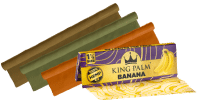
King Palm's natural palm leaf wraps work particularly well for this application. The slow, even burn gives the layered wax time to vaporize properly, and the natural leaf doesn't add paper or tobacco flavors that might clash with your concentrate's terpene profile.
Every pack includes a humidity pack that keeps your wraps at the perfect moisture level, which is especially important when you're adding sticky concentrates to the mix.
How to Smoke Wax Properly
Start Small
Concentrate potency catches people off guard. Even experienced flower smokers can overdo it with wax because a tiny amount delivers exponentially more THC than they're used to. Your first dab should be no bigger than a grain of rice—smaller if you're new to concentrates.
You can always take another dab. You can't un-take one that was too big.
Get Your Temperature Right
For dab rigs, heat your nail until it's glowing, then wait 30-60 seconds before applying wax (timing depends on nail thickness and material). The goal is a hot surface that vaporizes wax on contact but doesn't instantly burn it.
When the dab sizzles but doesn't immediately turn to smoke and char, you're in the sweet spot. If it's pooling and not vaporizing, the nail's too cool. If it's smoking heavily and tastes harsh, it's too hot.
With wax pens, start at lower temperature settings and work your way up. Most quality devices work best between 350-450°F for flavorful, smooth hits.
Inhale Slowly and Steadily
Vapor is denser than smoke and hits differently. Take slow, controlled draws rather than trying to rip it like a bong. Concentrate vapor can irritate your lungs if you're too aggressive, especially when you're still learning.
Use a carb cap with your dab rig to regulate airflow and help the wax vaporize evenly. This also lets you dab at lower temperatures because the cap traps heat and allows more complete vaporization.
Cleaning and Maintenance
Concentrate residue builds up quickly on nails, inside rigs, and in vaporizer chambers. Regular cleaning with isopropyl alcohol keeps your equipment functioning properly and tasting good.
For dab rigs, a quick iso soak and rinse after every few sessions prevents stubborn buildup. For pens and portable vapes, follow the manufacturer's cleaning instructions—most have removable chambers that can be wiped clean with alcohol-soaked cotton swabs.
Storing Your Wax
Proper storage keeps wax potent and preserves its flavor profile. Heat, light, and air exposure degrade cannabinoids and terpenes over time, turning fresh wax into a less potent, less flavorful product.
Store wax in small, airtight silicone containers or parchment paper, kept in a cool, dark place. A drawer or cabinet works fine for short-term storage. For long-term storage, the refrigerator is ideal—just let the container come to room temperature before opening it to prevent condensation.
Don't leave wax in hot cars or near heat sources. High temperatures can cause it to liquefy and lose terpenes, degrading quality noticeably.
Common Mistakes When Smoking Wax
Taking Dabs That Are Too Large
The most common newbie mistake is going too big too fast. Concentrate highs are intense and come on quickly. What seems like a tiny amount of wax contains as much THC as several bowls of flower.
If you do overdo it, don't panic. Find a comfortable place to sit, stay hydrated, and remind yourself it will pass. Having CBD on hand can help take the edge off an overwhelming high.
Using Temperatures That Are Too High
Cranking the heat might produce bigger clouds, but it destroys the compounds that make quality wax worth the price. High temperatures vaporize and destroy terpenes before you can taste them, leaving behind harsh, one-dimensional hits.
Lower temperatures require more patience but deliver dramatically better flavor and smoother vapor. Most people who try low-temp dabbing never go back to scorching their concentrates.
Using Poor Quality Wax
Not all wax is created equal. Concentrates made with low-quality extraction methods or from poor starting material can contain residual solvents, pesticides, or other contaminants that are concentrated along with the cannabinoids.
Always source wax from reputable suppliers who provide lab testing results. The test should show cannabinoid content, terpene profile, and—critically—that the product passed screening for solvents, pesticides, and heavy metals.
Neglecting Equipment Maintenance
Dirty nails and clogged rigs ruin the experience. Buildup affects flavor, restricts airflow, and makes each hit progressively worse. Five minutes of cleaning every few sessions saves you from the frustration of fighting with gunked-up equipment.
Wax vs. Other Concentrates
Wax sits in the middle of the concentrate spectrum in terms of potency and texture. Shatter is harder and more glass-like, while budder and crumble are softer variations on the wax theme. Live resin uses fresh-frozen plant material and typically preserves more terpenes, delivering superior flavor at a premium price.
From a practical standpoint, wax is easier to handle than shatter (which can be brittle and difficult to portion) and more stable than super-terpy live resins that can get runny. It's a good entry point into concentrates.
Distillate is more potent (often 90%+ THC) but lacks the terpene complexity of wax, giving you a powerful but one-dimensional high. Rosin is solventless, made with heat and pressure instead of chemical extraction, appealing to purists who want to avoid any potential solvent residue.
Safety Considerations
The potency that makes wax appealing also demands respect. The intensity can be uncomfortable if you're not prepared, especially for people with low tolerance or sensitivity to THC.
Never drive or operate machinery after consuming concentrates. The effects are stronger and can impair judgment and coordination significantly more than flower.
Torch safety is important if you're dabbing. Butane torches get extremely hot—hot enough to cause serious burns. Always point the flame away from yourself and others, and set the torch down on a stable surface after use. Let nails cool completely before touching them or putting equipment away.
Ensure proper ventilation when dabbing indoors. While vapor produces less odor than combustion, you're still inhaling and exhaling concentrated cannabinoids in an enclosed space.
Frequently Asked Questions
Can you smoke wax in a regular joint or blunt?
You can add wax to a joint or blunt, but you need to layer it with flower—it won't burn properly on its own. Place small amounts of wax in the center of your ground flower so it's surrounded by bud. The burning flower generates enough heat to vaporize the concentrate as you smoke. Don't put wax directly against the wrap, as it can cause uneven burning and runs.
How much wax should I use for my first time?
Start with a piece no bigger than a grain of rice, or even half that size. Wax is extremely potent—typically 3-4 times stronger than flower. What looks like almost nothing can deliver a powerful hit. You can always take more after seeing how the first small dab affects you, but you can't undo taking too much at once.
What's the difference between smoking wax and dabbing?
"Dabbing" specifically refers to vaporizing concentrates on a heated surface (a nail in a dab rig). "Smoking wax" is a broader term that includes dabbing but also covers other methods like layering wax with flower in joints or cones, topping bowls with concentrate, or using wax vaporizers. Technically, dabbing is vaporization rather than combustion, so it's not "smoking" in the traditional sense.
Does wax smell as much as regular flower?
Wax produces less odor than smoking flower, and the smell dissipates faster. Because you're vaporizing concentrated cannabinoids rather than burning plant material, there's no thick, lingering smoke smell. However, wax isn't odorless—it still smells like cannabis, just less intensely and with a cleaner profile that doesn't cling to fabrics and furniture the same way smoke does.
How should I store wax to keep it fresh?
Store wax in an airtight silicone container or parchment paper in a cool, dark place away from heat and light. For short-term storage (a few weeks), a drawer or cabinet works fine. For longer storage, keep it in the refrigerator to preserve potency and terpenes. Let the container come to room temperature before opening to prevent condensation from forming on your wax.


