






Photo by Smoke Honest on Unsplash

Weed inhalers are metered-dose devices that deliver cannabis compounds through aerosol inhalation, similar to asthma inhalers. They're designed for precise dosing and discreet consumption, but they function very differently from traditional smoking methods. Here's what you need to know about how they work and how they compare to other consumption methods.
TL;DR:
- Weed inhalers use pressurized canisters to deliver measured doses of THC or CBD without combustion
- They offer precise dosing (typically 1-5mg per puff) and faster onset than edibles, but lack the ritual and experience of smoking
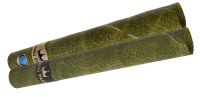
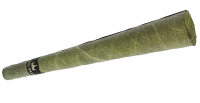
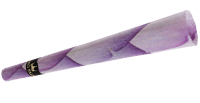
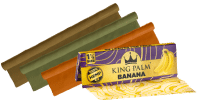
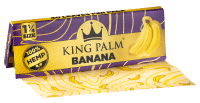
- If you prefer natural combustion without additives, King Palm's tobacco-free leaf wraps provide a traditional smoking experience with clean-burning materials
What Is a Weed Inhaler?
A weed inhaler is a handheld device that delivers cannabis compounds through a pressurized aerosol spray. It looks and functions like a standard medical inhaler, with a canister that fits into a plastic actuator.
When you press down on the canister, it releases a metered dose of cannabis extract mixed with propellant. The mist travels directly into your lungs without requiring combustion or vaporization.
Most cannabis inhalers contain pure THC or CBD distillate, though some products combine both cannabinoids. The dosage per puff is standardized, typically ranging from 1mg to 5mg of active cannabinoids.
How Cannabis Inhalers Work
The mechanism is identical to asthma inhalers. A pressurized canister holds cannabis distillate suspended in a propellant, usually a hydrofluoroalkane (HFA) compound approved for medical use.
When activated, the valve releases a precise amount of product. The propellant immediately evaporates, leaving behind microscopic droplets of cannabis oil that you inhale into your lungs.
The cannabinoids absorb directly through lung tissue into your bloodstream. This bypasses the digestive system entirely, leading to onset times of 5-15 minutes — faster than edibles but similar to smoking or vaping.
Dosing Precision
The main advantage of inhalers is dosing accuracy. Each actuation delivers an identical amount, making it easier to control your intake compared to smoking or vaping.
This consistency appeals to medical patients who need reliable dosing for symptom management. It also helps new users avoid overconsumption, since they can start with a single measured puff and wait for effects.
Weed Inhalers vs Smoking
Inhalers and smoking deliver cannabinoids through the lungs, but the experience differs significantly. Smoking involves combustion, which creates thousands of compounds beyond the cannabinoids you're seeking.
With an inhaler, you're getting isolated cannabinoids without the plant material, terpenes, or combustion byproducts. Some users prefer this purity, while others miss the full-spectrum effects and ritual of smoking.
Smoking also offers immediate feedback — you can see and taste the smoke, adjust your draw, and control the experience in real time. Inhalers provide less sensory feedback, making it harder to gauge how much you've consumed until effects kick in.
Ritual and Experience
Many cannabis users value the ritual of rolling, lighting, and passing a joint or blunt. The act of smoking is meditative and social in ways that a quick inhaler puff isn't.
If you want a tobacco-free smoking experience without sacrificing ritual, King Palm's natural palm leaf wraps burn slow and clean without chemicals or additives. They maintain the traditional smoking experience with better materials than tobacco wraps.
Advantages of Cannabis Inhalers
Inhalers excel in specific situations where smoking isn't practical or desirable. Their benefits include discreetness, precise dosing, and reduced harm compared to combustion.
Discreet Consumption
A cannabis inhaler looks like any medical inhaler. You can use it in public settings without drawing attention or producing telltale smoke and odor.
This matters for medical patients who need to medicate throughout the day or anyone who wants to avoid the social stigma sometimes attached to visible cannabis use.
No Combustion Byproducts
Smoking anything creates tar, carbon monoxide, and other combustion products. Inhalers deliver cannabinoids without these byproducts, which may reduce respiratory irritation for some users.
That said, the propellants used in inhalers aren't entirely inert. Some users report throat irritation or coughing from the aerosol spray, especially with repeated use.
Consistent Dosing for Medical Use
Medical cannabis patients need predictable effects. Inhalers provide pharmaceutical-grade precision that's difficult to achieve with flower, even when using a scale to weigh doses.
Each puff delivers the same amount of THC or CBD, making it easier to find your therapeutic dose and maintain it consistently over time.
Disadvantages of Weed Inhalers
Inhalers aren't for everyone. They have limitations that make them less appealing than traditional methods for recreational users and some medical patients.
Limited Cannabinoid Profiles
Most inhalers contain isolated THC or CBD rather than full-spectrum cannabis extract. You miss out on the entourage effect — the interaction between cannabinoids, terpenes, and other plant compounds that many users prefer.
Smoking or vaping flower gives you the complete cannabinoid and terpene profile. This full-spectrum experience often feels more balanced and nuanced than isolated compounds.
Higher Cost Per Dose
Cannabis inhalers are expensive compared to flower. A single inhaler might contain 100-200mg of THC and cost $40-80, depending on your market.
That's significantly more expensive per milligram than buying flower and rolling it yourself. The convenience and precision come at a premium price point.
Limited Availability
Inhalers aren't widely available in all legal cannabis markets. They're more common in medical programs than adult-use dispensaries, and selection is often limited to one or two brands.
Finding the right inhaler with your preferred cannabinoid ratio and dosage can be challenging compared to the wide variety of flower strains available.
Who Should Use Cannabis Inhalers?
Inhalers work best for specific user profiles. Medical patients who need precise dosing benefit most, especially those managing chronic conditions that require consistent cannabinoid levels.
They're also useful for people who can't or don't want to smoke but need faster onset than edibles provide. If you're sensitive to respiratory irritation from smoke but want lung-based delivery, an inhaler might work for you.
Recreational users who value discretion over experience may appreciate inhalers for situations where smoking isn't possible. However, most recreational users prefer methods that preserve flavor, ritual, and the full cannabis experience.
Alternatives to Cannabis Inhalers
If you're considering an inhaler but aren't sure it's right for you, several alternatives offer similar benefits with different trade-offs.
Vaporizers
Dry herb vaporizers heat cannabis flower below combustion temperature, releasing cannabinoids and terpenes without creating smoke. You get fuller flavor and effects than an inhaler while avoiding combustion byproducts.
Vape pens with oil cartridges are also popular. They're more discreet than smoking and offer better flavor variety than inhalers, though dosing is less precise.
Sublingual Tinctures
Cannabis tinctures absorb under your tongue, bypassing digestion for faster onset than edibles. They offer precise dosing with a dropper, though absorption takes 15-30 minutes — slower than inhalers or smoking.
Tinctures are completely smokeless and discreet, with no inhalation required. They're a good middle ground between inhalers and edibles.
Traditional Smoking Methods
Rolling and smoking flower remains the most popular consumption method for good reason. It's affordable, widely available, and preserves the full cannabis experience with all cannabinoids and terpenes intact.
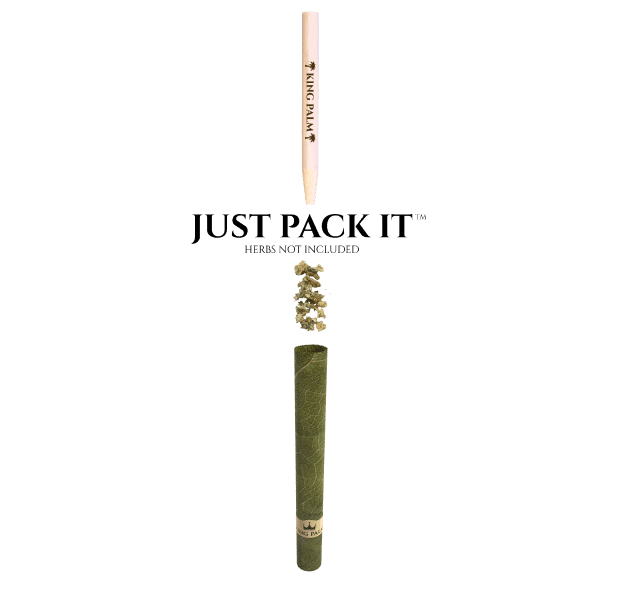
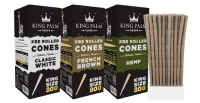
Using quality wraps makes a difference. King Palm's pre-coned rolls come ready to pack with natural palm leaf that burns slower and cleaner than paper or tobacco wraps, with a built-in corn husk filter for smooth draws.
How to Choose Between Methods
Your ideal consumption method depends on your priorities. If precision dosing for medical use is paramount, inhalers deliver pharmaceutical accuracy that's hard to match.
If you value flavor, ritual, and the full-spectrum entourage effect, traditional smoking or dry herb vaping makes more sense. These methods preserve terpenes and the complete cannabinoid profile.
For discretion without sacrificing cannabinoid variety, vape pens with quality oil cartridges offer a good compromise. They're portable, relatively odorless, and provide better flavor than inhalers.
Cost Considerations
Budget matters for most cannabis users. Inhalers are among the most expensive options per dose, while flower remains the most economical.
Calculate your cost per session or per milligram of cannabinoids. For daily users, the price difference between inhalers and flower adds up quickly.
Health and Lifestyle Factors
Your respiratory health, living situation, and daily schedule influence which method works best. If you have asthma or COPD, inhalers might be gentler than smoking, though you should consult your doctor.
If you need to medicate discreetly at work or in public, inhalers or vape pens work better than joints or blunts. If you primarily consume at home and enjoy the ritual, smoking offers more satisfaction.
The Future of Cannabis Inhalers
As cannabis legalization expands, pharmaceutical companies are developing more sophisticated inhaler products. Expect to see better cannabinoid combinations, improved propellants, and more precise delivery mechanisms.
Some companies are working on metered-dose inhalers that preserve terpenes alongside cannabinoids, addressing one of the main complaints about current products. These full-spectrum inhalers could bridge the gap between pharmaceutical precision and traditional cannabis effects.
However, inhalers will likely remain a niche product. Most cannabis users prefer methods that maintain the plant's natural characteristics rather than reducing it to isolated compounds in an aerosol canister.
Frequently Asked Questions
Are weed inhalers safe?
Cannabis inhalers use the same propellants as medical asthma inhalers, which are FDA-approved for lung delivery. The main risks are similar to other cannabis products — overconsumption and potential interactions with medications. Some users experience throat irritation from the aerosol spray.
How fast do cannabis inhalers work?
Most users feel effects within 5-15 minutes of using a cannabis inhaler. This is slightly faster than smoking for some people because the aerosol droplets are smaller and absorb more quickly through lung tissue. Peak effects typically occur around 30-60 minutes after use.
Can you overdose on a weed inhaler?
You can't fatally overdose on cannabis through any method, but you can take too much and feel uncomfortable. The precise dosing of inhalers actually helps prevent overconsumption — start with one puff, wait 15 minutes, and add more only if needed. Each puff typically contains 1-5mg of THC.
Do cannabis inhalers get you high?
THC inhalers produce psychoactive effects similar to smoking, though the experience may feel different due to isolated THC rather than full-spectrum flower. CBD inhalers don't produce a high. The onset is fast like smoking, but effects from isolated cannabinoids may feel less rounded than whole-plant consumption.
Are weed inhalers better than smoking?
"Better" depends on your needs. Inhalers offer precise dosing and eliminate combustion byproducts, which matters for medical users and those concerned about respiratory health. Smoking preserves full cannabinoid and terpene profiles, costs less, and provides ritual and tradition that many users value. Neither method is universally superior.


