










How to Keep Your King Palms Fresh: Storage, Rehydration, and Handling Guide
A dry King Palm is one of the most frustrating things that can happen before a session. The leaf gets brittle, it cracks when you try to pack it, and the whole roll can split before you even get it lit. It's a problem that comes up in reviews, in DMs, in smoke shops — and it's almost always avoidable.
This guide covers everything: why King Palm rolls dry out in the first place, what's already built into every pouch to prevent it, how to store your rolls properly for the long term, and — if you've already got a dry roll — how to rehydrate it and bring it back. We take freshness seriously, and we want every roll you smoke to be in the condition it was meant to be smoked in.
Why King Palm Rolls Dry Out — And Why That's Normal
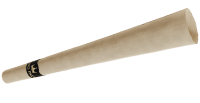
Understanding the product helps you protect it. King Palm rolls are made from natural Cordia palm leaf that goes through a drying process at our rolling factories. That drying step is intentional and essential — it's what gives each roll its hollow, pre-formed shape and allows it to hold structure during packing and smoking.
Because the leaf is dried to maintain that shape, it's naturally sensitive to the moisture level of its environment. Too dry and the leaf becomes brittle and prone to cracking. Too moist and it becomes soft and loses its structural integrity. The target is a balanced moisture level that keeps the leaf pliable enough to handle and pack without being so damp that it won't hold its shape or burn evenly.
The leaf is not fragile — it's dried. That distinction matters. Handle it with the same care you'd give any natural product and it'll reward you with a clean, even burn. Rush it or force it and it'll tell you.
Environmental factors that accelerate drying include low-humidity climates, leaving pouches open between sessions, and storing rolls in direct sunlight or near heat sources. Air conditioning, heated indoor air in winter, and open car dashboards are all common culprits. Any of these can pull moisture out of the leaf faster than it would naturally lose it.
What's Already in Every Pouch: The Humidity Pack
Every King Palm pouch comes with a humidity pack included. This isn't an accessory or an add-on — it's a standard part of every retail pouch across the 2-pack, 5-pack, and 25-pack formats.
We've recently increased the size of the humidity packs in our 2-pack, 5-pack, and 25-pack pouches to deliver double the freshness protection. The larger pack maintains the optimal moisture level for longer, which means your rolls stay in better condition from the moment you open the pouch to the last roll in the pack.
The humidity pack works passively — it regulates the moisture inside the sealed pouch automatically, releasing or absorbing humidity as needed to keep the environment balanced. As long as the pouch stays sealed when you're not using it, the pack does its job without any effort on your part.
Pro tip: When you open a pouch, take out what you need and reseal it immediately. Every minute the pouch sits open is moisture the remaining rolls are losing. The humidity pack can only do so much against an open environment.
Long-Term Storage: How to Keep a Larger Supply Fresh
If you buy in bulk — 25-packs, bulk boxes, or multiple pouches at once — the included humidity packs cover you while the pouch is sealed. For long-term storage beyond what the pouch provides, there are a few approaches that work well.
Humidity-Controlled Storage Containers
A dedicated airtight storage container with a 72% humidity pack is the most reliable solution for keeping a larger supply fresh over time. Hard-sided or glass airtight containers maintain a stable environment much better than an opened pouch. Transfer your rolls into the container, add a 72% humidity pack, seal it, and your rolls will stay in prime condition for weeks — or longer if the container stays sealed between uses.
King Palm uses 72% relative humidity packs across the entire product line — intentionally higher than the 62% standard used for cigars and most cannabis storage. The higher humidity level keeps palm leaf more pliable and hydrated, which translates directly to a better packing experience and a cleaner burn. King Palm’s humidity control products match this spec.
→ Shop King Palm Humidity Control
Humidors
A humidor — traditionally used for cigars — works exceptionally well for storing King Palm rolls. The sealed environment and built-in humidity regulation do the same job as a container-and-pack setup, often with better consistency over time. Set the target humidity to 72% to match King Palm’s spec, and your rolls will stay fresh indefinitely with minimal maintenance. This is the preferred storage method for heavy users or anyone buying in quantity.
General Storage Environment
Regardless of the container you use, where you store it matters. The ideal environment is cool, dark, and away from heat sources.
- Cool temperature — Room temperature or slightly below. Avoid storing near stoves, radiators, or electronics that generate heat.
- Dark environment — UV light degrades natural leaf over time. A cabinet, drawer, or closet shelf is ideal. Avoid windowsills and countertops in sunny rooms.
- Away from airflow — Drafts, fans, and AC vents pull moisture out quickly. Sealed storage always beats open storage.
- Airtight seal — The single most important factor. An airtight container with a humidity pack will outperform an open pouch in any environment.
How to Rehydrate a Dry King Palm Roll
If you've got a roll that's already dried out — stiff, slightly brittle, or showing small surface cracks — don't throw it away. King Palm palm leaf can be rehydrated, and a properly rehydrated roll will smoke just as well as a fresh one. Here are the methods that work.
Method 1: Sealed Container with a Humidity Pack (Best)
The most controlled and reliable method. Place the dry roll in an airtight container with a 72% humidity pack and seal it. Leave it for 2 to 4 hours — overnight for severely dry rolls. The humidity pack reintroduces moisture at the right level without oversaturating. This is the recommended approach because it's gradual, consistent, and impossible to overdo.
Method 2: Damp Paper Towel (Faster)
For a quicker rehydration without a humidity pack on hand, the damp paper towel method works well. Wet a paper towel and wring it out thoroughly until it's damp but not dripping. Place the damp towel near — not directly touching — the roll inside a sealed container or zip bag. The moisture in the air inside the container will absorb into the leaf over 30 to 60 minutes.
Do not place the wet paper towel directly on the roll. Direct contact with a wet towel can over-saturate the leaf unevenly and cause soft spots or surface damage. Let the moisture transfer through the air inside the container, not by direct contact.
Check the roll every 20 to 30 minutes. Once it feels pliable and flexible without being soft or mushy, it's ready. Remove it from the container and let it rest in open air for 5 to 10 minutes before packing so the surface moisture can even out.
Method 3: Humidor Rehydration (Best for Multiple Rolls)
If you have a humidor, place the dry rolls inside and set it to 72% relative humidity to match King Palm's spec. This is the slowest method but produces the most even, consistent result — particularly useful if you're rehydrating multiple rolls at once. Leave them for several hours or overnight. They'll come back to full pliability without any risk of oversaturation.
Handling and Packing: Protecting the Leaf When It Matters Most
Freshness isn't only about storage — it's also about how you handle the roll once you're ready to pack it. Because the leaf goes through a drying process to maintain its hollow shape, the walls of the tube need to be treated with a degree of care that you wouldn't need to think about with a paper cone.
- Pack in layers, not all at once. Load a small amount of ground herb, tamp it gently with the included packing stick, then add more. Working in layers distributes pressure evenly and prevents the sides of the roll from bowing or cracking under the force of pushing too much in at once.
- Use the packing stick, not your finger. The packing stick spreads pressure more evenly than a fingertip and gives you better control. Forcing herb down with a finger concentrates pressure in a small area and increases the risk of splitting the leaf wall.
- Don't overfill. Packing too much herb puts lateral pressure on the leaf walls. Leave a little space near the tip — the roll will hold its shape better and burn more evenly.
- Be gentle with the tip. The open end is the most structurally vulnerable point. When twisting or folding to close, do it slowly with light, even pressure. If the tip feels stiff, a very light touch of moisture on the outside of the tip will give it just enough flexibility to fold without cracking.
- Let a rehydrated roll rest before packing. If you've just rehydrated a roll, give it 5 to 10 minutes before loading. The moisture needs time to distribute evenly through the leaf. Packing immediately after rehydration — when the surface may still be slightly damp — can cause uneven compression.
The more pliable the leaf, the more forgiving it is. A properly humidified roll handles packing noticeably better than a dry one. If your roll feels stiff before you've started, take two minutes to rehydrate it. The result will be worth it.
Quick Reference: Freshness at a Glance
- Always reseal the pouch — Immediately after taking what you need.
- Store cool and dark — Cabinet or drawer, away from heat and direct sunlight.
- Humidity pack included — In every pouch. We've doubled the size in 2-packs, 5-packs, and 25-packs.
- Long-term storage — Airtight container or humidor + 72% humidity pack.
- Rehydrating a dry roll — Sealed container with humidity pack (best), or damp paper towel in a sealed container (faster). Let rest 5–10 minutes before packing.
- Packing — Gentle. In layers. Use the packing stick. Don't force it.
→ Shop King Palm Humidity Control Products
Frequently Asked Questions
Why does my King Palm feel dry and stiff?
King Palm rolls go through a drying process at the factory to maintain their hollow pre-formed shape. That process makes them sensitive to low-humidity environments. If your roll feels stiff, it's lost moisture — most commonly from an open pouch, a dry climate, or storage near a heat source. Rehydrate using a sealed container with a 72% humidity pack, or the damp paper towel method, and it will return to full pliability.
How long does the humidity pack keep King Palms fresh?
As long as the pouch stays sealed, the included humidity pack maintains freshness for the full shelf life of the product. Once opened, it continues to regulate moisture inside the pouch, but its effectiveness depends on how quickly you reseal after each use. We've recently increased the humidity pack size in our 2-pack, 5-pack, and 25-pack formats to double the freshness protection — but sealing the pouch promptly remains the single most important habit.
Can I rehydrate a King Palm that's already cracked?
Small surface cracks can usually be recovered with careful rehydration — the leaf regains pliability and minor cracks often close enough to smoke cleanly. A roll with a crack running most of its length is harder to recover but still worth attempting before discarding. Rehydrate slowly using the humidity pack method, let it rest fully, handle it very gently during packing, and don't overfill.
What humidity level is ideal for storing King Palm rolls?
72% relative humidity is the target for King Palm rolls — intentionally higher than the 62% standard used for cigars and most cannabis products. The higher level keeps natural palm leaf more hydrated and pliable. King Palm's included humidity packs are calibrated to 72%.
Can I use a cigar humidor to store King Palms?
Yes — a humidor works extremely well for King Palm rolls. Set it to 72% relative humidity to match King Palm's spec and your rolls will stay in optimal condition as long as you need. This is the preferred long-term storage method for heavy users or anyone maintaining a larger supply.
Why should I pack in layers instead of all at once?
Because the leaf walls of a King Palm roll are dried natural material, concentrated pressure from loading too much herb at once can cause them to bow or crack. Packing in small amounts and tamping gradually distributes the force evenly across the leaf. The result is a tighter, more even pack — and a roll that stays intact from start to finish.


