






Key Takeaways
- Roach clips are tools that hold the end of your smoke so you can finish it without burning your fingers
- They come in various styles: alligator clips, hemostats, tweezers, and specialty designs
- A good clip should hold securely, dissipate heat, and be easy to use with one hand
- Modern clips range from functional medical tools to stylish accessories that match your smoking kit
- Proper use extends the life of your smoke and prevents waste
What Is a Roach Clip?
A roach clip is a simple tool designed to hold the end of a joint, blunt, or pre-rolled cone when it gets too short to hold comfortably. The name comes from "roach," the smoking term for the final portion of a roll that's difficult to smoke without burning your fingers.
The basic concept is straightforward: you clip the tool onto the end of your smoke, giving you a handle that stays cool while you finish every last bit. This lets you get the most out of your material without wasting anything or dealing with burnt fingertips.
Roach clips have been part of smoking culture for decades. What started as improvised solutions—repurposed hemostats, alligator clips, or even paper clips wrapped in tape—has evolved into purpose-built accessories designed specifically for smokers.
Why Use a Roach Clip?
No More Burned Fingers
The most obvious benefit is protecting your fingers from heat. As you near the end of your smoke, the cherry gets closer to your hand, making it uncomfortable or impossible to hold. A roach clip eliminates this problem entirely.
This is especially useful when smoking natural palm leaf wraps or other premium materials where you want to enjoy every bit of the experience. Wasting the last quarter-inch because it's too hot defeats the purpose of using quality products.
Maximize Your Material
Smokers know that the last hits often deliver the most concentrated experience. By using a roach clip, you can smoke down to the very end without waste. Over time, this adds up to significant savings.
Whether you're smoking a hand-rolled creation or a pre-packed cone, a roach clip ensures you get full value from every session.
Better Control and Stability
A roach clip provides a secure grip that doesn't require you to pinch delicate paper between your fingers. This stability means less risk of accidentally crushing or dropping your smoke at the end.
Some clips also have built-in stands that let you set down your smoke between hits without needing an ashtray. This hands-free option is convenient during social sessions or when multitasking.
Types of Roach Clips
Alligator Clips
These are the classic option—small spring-loaded clips with serrated teeth that grip securely. Originally borrowed from electronics work, alligator clips became popular in smoking culture because they're cheap, effective, and widely available.
The main advantage is their strong grip. The teeth hold onto paper firmly without requiring constant pressure. The downside is that metal heats up quickly, so you'll want one with a heat-dissipating handle or at least enough length to keep the hot metal away from your fingers.
Hemostats (Locking Forceps)
Hemostats are surgical tools designed to clamp blood vessels, but they work perfectly as roach clips. They have a locking mechanism that keeps them clamped shut without you needing to hold them closed.
Many experienced smokers prefer hemostats because they're extremely secure and don't slip. They're also long enough that heat rarely becomes an issue. You can find medical-grade stainless steel hemostats at medical supply stores or head shops.
Tweezers and Forceps
Simple tweezers work in a pinch, though they require constant finger pressure to maintain grip. Some specialty smoking tweezers have a reverse-action design that stays closed by default and opens when you squeeze—essentially a simpler version of hemostats.
The benefit of tweezers is precision. They're thin enough to hold even the smallest roach without crushing it, and they don't add much bulk to your smoking kit.
Specialty Roach Clips
The market now offers clips designed specifically for smokers. These come in various forms: decorative clips with feathers or beads attached, clips integrated into lighters, magnetic clips that stick to metal surfaces, and even clips built into multi-tools.
Some high-end options feature ceramic or heat-resistant polymer construction that stays cool no matter how close you smoke down. Others include ash catchers or integrate with rolling trays as part of a complete smoking station.
DIY and Improvised Options
In a pinch, many household items can serve as makeshift roach clips: bobby pins, binder clips, chip bag clips, or even a carefully bent paper clip. While these work temporarily, they typically lack the heat resistance and secure grip of purpose-built tools.
If you're going the DIY route, prioritize materials that won't conduct heat directly to your fingers. Wrapping the handle portion with electrical tape or heat-shrink tubing helps create a barrier.
How to Use a Roach Clip
When to Attach the Clip
Most people attach the roach clip when the smoke gets short enough that holding it becomes uncomfortable—usually with about an inch or less remaining. Some prefer to attach it earlier, especially if they're using a clip with a stand feature.
For best results, attach the clip to the very end (the side opposite the cherry). This gives you maximum length to work with and ensures you can smoke all the way down.
Proper Grip Technique
Clamp the clip firmly but not so tightly that you crush the paper or wrapping. You want a secure hold that won't slip, but crushing the end can restrict airflow or cause the paper to tear.
Position the clip so it's holding mostly paper, not your filter or crutch if you're using one. The goal is to extend your grip beyond what's smokable, not to pierce through the entire diameter.
Managing Heat
Even with a roach clip, heat can travel up the metal to the handle. If your clip starts getting too hot, you have a few options: take slower draws to let it cool between hits, hold the clip by the very end of the handle, or switch to a clip with better heat dissipation.
Stainless steel clips with longer handles generally perform better than short metal clips. Some smokers keep multiple clips handy and rotate between them to let each one cool down.
Choosing the Right Roach Clip
Material Considerations
Stainless steel remains the most popular choice because it's durable, easy to clean, and relatively affordable. Look for clips with brushed or textured finishes rather than polished metal—these tend to stay cooler and are easier to grip.
Ceramic and heat-resistant plastics offer the best thermal protection but are more fragile. If you're careful with your gear, these premium materials provide the most comfortable experience right down to the last hit.
Size and Portability
Consider where and how you'll use your clip. If you're mostly smoking at home, a larger hemostat or clip with a stand makes sense. For on-the-go situations, you'll want something compact that fits easily in a pocket or small case.
Some clips come with keychain attachments or cases that protect both the clip and whatever else is in your pocket from getting scratched or poked.
Grip Strength
A clip that's too weak will slip off as the paper softens from heat and moisture. One that's too strong might crush your smoke or be difficult to remove. The ideal clip holds firmly but releases easily when you want to remove it.
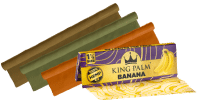
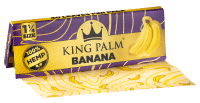
If you primarily smoke King Palm cones or thicker wraps, you'll need a clip with a wider opening and stronger grip than someone who smokes thin papers.
Roach Clips and Different Smoking Materials
Using Clips with Pre-Rolled Cones
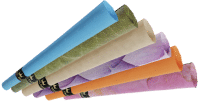
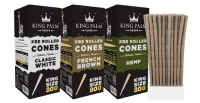
Pre-rolled cones are convenient and consistent, making them perfect for use with roach clips. Since cones are already packed and ready to go, you just need to clip the end when it gets short.
King Palm cones work especially well with roach clips because the natural palm leaf material burns slowly and evenly. The included humidity pack in every King Palm package keeps the leaf at the ideal moisture level, which means it won't fall apart when you clip it near the end.
Clips with Hand-Rolled Joints and Blunts
Hand-rolled smokes benefit from roach clips just as much as pre-rolled options. The key is making sure your roll is tight enough at the end that the clip has something solid to grip.
Blunts wrapped in tobacco leaf or natural alternatives tend to be sturdier than thin rolling papers, which makes them easier to clip. Just ensure the wrap hasn't started to unravel before attaching your clip.
Palm Leaf Wraps and Clips
Natural palm leaf wraps are thicker and more durable than traditional papers, which means they work exceptionally well with roach clips. The material doesn't disintegrate from heat or moisture the way some thin papers do.
When using palm leaf wraps, you can smoke closer to the end than with most other materials. The leaf's natural thickness provides some heat insulation, and when combined with a good roach clip, you can enjoy every bit without waste.
Cleaning and Maintaining Your Roach Clip
Regular Cleaning
Resin and tar build up on roach clips just like they do on any smoking accessory. Clean your clip regularly with isopropyl alcohol and a small brush or cotton swab. This prevents buildup that can affect grip and transfer unwanted flavors.
For metal clips, you can also use boiling water or run them through a quick torch pass to burn off residue. Let them cool completely before handling or storing.
Storage Tips
Store your roach clip in a dedicated case or section of your rolling tray to keep it clean and easy to find. If your clip has sharp edges or points (like hemostats), a protective case prevents them from damaging other items or poking through fabric.
Keep your clip dry between uses to prevent rust on steel models. A quick wipe-down after cleaning ensures longevity.
Roach Clip Alternatives and Complementary Tools
Glass and Wood Tips
Some smokers prefer glass or wood tips that extend the smokable length instead of using external clips. These tips fit inside the end of your roll and provide a longer, cooler handle that doesn't require a separate tool.
While tips reduce the need for roach clips, they don't eliminate it entirely. You can still use a clip on a tipped smoke when it gets very short.
Filter Systems
Quality filters or crutches make it easier to smoke down to the end without a clip, but they don't completely solve the heat problem. Combining a good filter with a roach clip gives you the best of both worlds: filtration throughout the smoke and the ability to finish completely.
Rolling Technique
How you roll affects whether you'll need a clip. Leaving a longer crutch or tip gives you more to hold, potentially eliminating the need for external tools. However, this means less material in your roll, which some smokers see as wasteful.
The most efficient approach is rolling a full cone or wrap and using a clip when needed. This maximizes your material while still providing a comfortable smoking experience all the way through.
Common Mistakes to Avoid
Attaching Too Early
Adding a roach clip when your smoke is still long enough to hold comfortably just adds unnecessary weight. Wait until you actually need the clip—usually when you have an inch or less remaining.
Over-Tightening
Clamping down too hard crushes the paper and restricts airflow. Use just enough pressure to create a secure grip. If you notice your draws becoming difficult after attaching the clip, it's probably too tight.
Ignoring Heat Buildup
Metal clips conduct heat. If the handle is getting uncomfortably warm, take a break or switch to a different tool. Burning your fingers defeats the entire purpose of using a roach clip in the first place.
Using Damaged Clips
A clip with bent teeth or a weakened spring won't hold securely and could cause you to drop your smoke at the worst possible moment. Inspect your clips regularly and replace any that show wear.
Frequently Asked Questions
Do I really need a roach clip, or is it just an accessory?
While not absolutely essential, a roach clip is one of those tools that becomes indispensable once you start using one. If you smoke regularly and find yourself either burning your fingers or wasting the ends of your rolls, a clip solves both problems for just a few dollars. It's a practical tool that pays for itself quickly by preventing waste and making your sessions more comfortable.
Will a roach clip damage my pre-rolled cones?
Not if you use it correctly. Attach the clip with firm but gentle pressure—enough to hold securely without crushing the material. Pre-rolled cones like King Palm are actually ideal for roach clips because the natural palm leaf is thicker and more durable than thin papers. Just clip the very end and you'll be fine.
Can I use the same roach clip for both joints and blunts?
Yes, most roach clips work with any type of smoke. The main consideration is grip width—blunts and palm leaf wraps are typically thicker than joints, so make sure your clip opens wide enough to accommodate them. Hemostats and adjustable clips work well for different sizes.
How do I clean resin off my roach clip?
Soak metal clips in isopropyl alcohol (90% or higher works best) for 15-30 minutes, then scrub with a small brush or wipe with a paper towel. For stubborn buildup, you can carefully heat metal clips with a lighter or torch to burn off resin, then wipe clean once cooled. Regular cleaning after every few uses prevents heavy buildup.
What's the difference between a cheap clip and an expensive one?
The main differences are materials, heat management, and durability. A basic alligator clip from a hardware store costs under a dollar but conducts heat quickly and may rust over time. Premium clips use better materials (surgical steel, ceramic, heat-resistant polymers) that stay cooler, last longer, and often include features like stands or integrated ash catchers. For occasional use, cheap works fine. For daily smokers, investing in a quality clip makes sense.


