


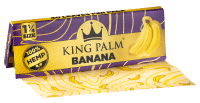






Photo by Jhon David on Unsplash

Key Takeaways
- A spliff is a rolled blend of cannabis and tobacco, typically using rolling papers
- Spliffs contain tobacco while joints are pure cannabis—that's the main difference
- The tobacco-cannabis mix creates a different high and helps rolls burn more evenly
- Spliffs are more common in Europe, while North Americans tend to prefer joints
- You can roll spliffs with papers or use tobacco-free alternatives like palm leaf wraps
What Does Spliff Mean?
A spliff is a rolled smoking product that combines cannabis with tobacco. Unlike a joint, which contains only cannabis, or a blunt, which uses a tobacco leaf wrap, a spliff mixes the two substances together inside rolling papers or other wraps.
The term "spliff" originated in Jamaica and the Caribbean in the mid-20th century, though its exact etymology remains debated. By the 1980s and 90s, the word had spread through cannabis culture worldwide, particularly in Europe where mixing tobacco with cannabis remains standard practice.
The defining characteristic of a spliff is always the intentional blend of tobacco and cannabis. The ratio varies by personal preference, but typical spliffs contain anywhere from 20-50% tobacco mixed with cannabis flower.
Spliff vs Joint vs Blunt: Understanding the Differences
These three terms get used interchangeably, but they describe distinctly different smoking methods. Here's how to tell them apart.
The Joint
A joint contains 100% cannabis rolled in thin rolling papers, typically made from rice, hemp, or wood pulp. It's the purest expression of the flower's flavor and effects, with no tobacco to alter the experience.
Joints are the default choice in North America, where mixing tobacco with cannabis is far less common than in other parts of the world.
The Spliff
As covered above, a spliff mixes cannabis and tobacco together, usually in rolling papers. The tobacco changes both the flavor profile and the physiological effects, adding nicotine's stimulating properties to cannabis's varied effects.
Spliffs tend to burn more evenly and slowly than pure cannabis joints because tobacco is typically cut finer and has different moisture content. This makes them popular among smokers who want to extend their session or conserve cannabis.
The Blunt
A blunt is cannabis rolled in a tobacco leaf wrap or a cigar wrapper. Unlike spliffs, blunts don't mix tobacco with the cannabis—instead, the tobacco is only in the outer wrap.
Blunts deliver nicotine through the wrap while keeping the cannabis pure inside. They're larger than typical joints or spliffs and burn more slowly due to the thick, dense tobacco leaf.
Why Do People Smoke Spliffs?
The tobacco-cannabis combination isn't just about availability or cost savings. Many smokers actively prefer spliffs for specific reasons.
Smoother, More Even Burn
Cannabis flower can burn unevenly, especially if it's not ground consistently or has varying moisture levels. Mixing in tobacco—which has standardized moisture content and fine cut—helps the roll burn smoothly from start to finish.
This even burn prevents canoeing (when one side burns faster than the other) and reduces the need to relight mid-session.
Extended Sessions
Tobacco stretches your cannabis supply, making each gram last longer. For daily smokers or those in regions where cannabis is expensive or hard to source, this practical benefit matters.
The slower burn time also means each spliff lasts longer, which some smokers prefer over the quicker experience of a pure joint.
The Nicotine Factor
Nicotine creates its own effects—increased alertness, mild euphoria, and for regular tobacco users, satisfaction of cravings. Combined with cannabis, some smokers report a more balanced, less sedating experience than pure cannabis alone.
That said, nicotine is highly addictive, and mixing it with cannabis can lead to dependency issues for some users.
Cultural and Regional Preferences
In much of Europe, rolling with tobacco is simply the default. Many smokers there learned to roll this way and find pure joints too strong or harsh.
In places where hash is more common than flower, mixing with tobacco has always been necessary to create a rollable consistency, and this practice carried over even when flower became available.
How to Roll a Spliff
Rolling a spliff follows the same basic technique as rolling a joint, with one additional step: preparing your mix.
What You'll Need
- Rolling papers (standard or king-size)
- Ground cannabis
- Tobacco (from a cigarette or rolling tobacco)
- Filter tip or crutch (optional but recommended)
- Grinder
The Process
First, grind your cannabis to a consistent texture. If you're using cigarette tobacco, empty one cigarette onto your rolling surface. For rolling tobacco, take a pinch equivalent to your desired ratio.
Mix the tobacco and cannabis together thoroughly. A common beginner ratio is about 30% tobacco to 70% cannabis, but you can adjust based on preference. European smokers often use 50/50 or even higher tobacco ratios.
Create a filter tip by rolling a small piece of cardboard into a cylinder, or use a pre-made filter. Place it at one end of your rolling paper.
Distribute your mix evenly along the paper, then roll it between your fingers to shape the cylinder. Tuck the unglued edge around the filter and roll upward, sealing the glued edge as you go.
Pack down the open end with a pen or similar tool if needed, then twist the tip to close it.
Tobacco-Free Alternatives to Traditional Spliffs
If you want the even burn and extended session of a spliff without the nicotine and tobacco health risks, you have options.
Herbal Smoking Blends
Various herbs like damiana, mullein, or raspberry leaf can be mixed with cannabis as tobacco substitutes. These burn evenly and add their own subtle flavors without the addictive properties of nicotine.
Quality matters with herbal blends—look for organic, pesticide-free options designed specifically for smoking.
Palm Leaf Wraps
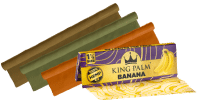
For a cleaner alternative altogether, consider using natural palm leaf wraps instead of tobacco-heavy blunts or tobacco-mixed spliffs. King Palm's natural leaf wraps are made from Cordia leaves and contain zero tobacco, zero nicotine, and zero additives.
These wraps provide a slow, even burn similar to what spliff smokers appreciate about the tobacco mix, but without any of tobacco's downsides. Each pack includes a humidity pack to keep your wraps fresh and ready to use.
Pre-Coned Options
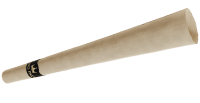
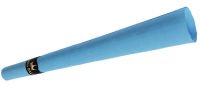
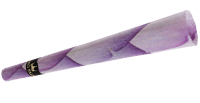
If rolling isn't your strength, pre-coned palm leaf rolls offer the same tobacco-free experience without any technique required. You simply pack your ground cannabis into the cone, and you're ready to go.
Pre-coned rolls burn slowly and smoothly, offering extended sessions without mixing in tobacco or other fillers. They're a cleaner alternative for smokers who want convenience and quality.
Regional Differences in Spliff Culture
Geography plays a huge role in how people approach mixing tobacco with cannabis.
Europe
Spliffs dominate in the UK, Netherlands, France, Germany, and most of continental Europe. Walk into any Amsterdam coffee shop and watch people roll—the vast majority add tobacco as a matter of course.
This preference stems partly from hash traditions (hash requires mixing with something smokable) and partly from tobacco's prevalence in European smoking culture generally.
North America
Pure joints are the standard in the United States and Canada. Most North American cannabis smokers consider adding tobacco unusual or even undesirable.
When tobacco is involved, it's more commonly in the form of blunts (tobacco leaf wraps) rather than spliffs (mixed tobacco and cannabis). The cultural separation between tobacco and cannabis smoking is much stronger here.
Caribbean and Jamaica
The term "spliff" originated in this region, where it traditionally referred to large, potent cannabis cigarettes—sometimes with tobacco, sometimes without. The Jamaican usage is less strict about the tobacco requirement than European usage.
In modern Caribbean cannabis culture, you'll find both pure cannabis spliffs and tobacco-mixed versions depending on personal preference and availability.
Health Considerations
Mixing tobacco with cannabis introduces all the health risks associated with tobacco smoking on top of cannabis smoke exposure.
Nicotine Addiction
The most significant concern is that regular spliff smoking can lead to nicotine dependence. Users might find themselves unable to enjoy cannabis without tobacco, or craving spliffs primarily for the nicotine rather than the cannabis.
This can create a complicated relationship with both substances, where you're maintaining a tobacco habit through your cannabis consumption even if you've quit cigarettes otherwise.
Respiratory Effects
Tobacco smoke contains thousands of chemicals, many of them harmful or carcinogenic. Combining tobacco with cannabis means inhaling all those compounds along with cannabis smoke.
While cannabis-only smoking carries its own respiratory risks, adding tobacco measurably increases exposure to harmful substances.
Cardiovascular Concerns
Nicotine affects heart rate and blood pressure. Combined with cannabis, which also has cardiovascular effects, the combination can be more taxing on your heart than either substance alone.
Anyone with existing heart conditions should be especially cautious about mixing stimulants like nicotine with cannabis.
Legal Considerations
In regions where cannabis is legal but must be consumed in designated areas, the tobacco component of spliffs can create ambiguity. Some cannabis lounges prohibit tobacco entirely, meaning spliffs aren't allowed even though pure joints are fine.
Always check local regulations and venue rules before assuming spliffs are acceptable wherever cannabis is permitted.
Tips for Better Spliffs
If you're going to smoke spliffs, a few techniques can improve your experience.
Find Your Ratio
Don't feel locked into any particular tobacco-to-cannabis ratio. Experiment to find what works for you. Start with less tobacco (maybe 20-30%) and adjust upward only if you want a longer burn or milder experience.
Mix Thoroughly
Uneven mixing leads to uneven burns. Take an extra 30 seconds to blend your tobacco and cannabis completely before rolling. This small step makes a noticeable difference.
Consider Your Tobacco Source
Not all tobacco is created equal. Cheap cigarette tobacco often contains more additives and chemicals than quality rolling tobacco. If you're mixing regularly, invest in better tobacco—your lungs will thank you.
Store Components Properly
Both cannabis and tobacco need proper humidity to burn well. Too dry and they burn hot and harsh; too moist and they won't stay lit. Keep both in sealed containers with humidity control when possible.
Frequently Asked Questions
Is a spliff stronger than a joint?
No, a spliff typically contains less cannabis than a joint of the same size because some of the volume is tobacco. However, the nicotine in the tobacco adds its own effects, which some people interpret as a stronger or different high. The overall experience is different rather than objectively stronger.
Can you make a spliff without tobacco?
Technically, once you remove the tobacco, it's no longer a spliff—it's a joint. However, you can achieve similar burning characteristics by mixing cannabis with tobacco-free herbal blends, or by using slow-burning natural wraps like palm leaves that don't require any mixing or filler material.
Why are spliffs more popular in Europe than America?
Several factors contribute to this regional difference. Hash was historically more available than flower in Europe, and hash requires mixing with tobacco or herbs to be smokable. Additionally, tobacco smoking rates have historically been higher in Europe, making the combination more culturally acceptable. North American cannabis culture developed around pure flower consumption, establishing joints as the default.
Do spliffs smell different than joints?
Yes, spliffs have a distinct smell that combines cannabis and tobacco aromas. The tobacco smell is often more noticeable to non-smokers and lingers differently than pure cannabis smoke. Many people find spliff smoke more acrid and less pleasant than joint smoke, though preferences vary.
Can you use King Palm wraps to make spliffs?
You can mix tobacco and cannabis and roll it in King Palm's natural leaf wraps, though this defeats the purpose of using tobacco-free wraps. The better approach is to use the natural palm leaf wraps or pre-coned rolls with pure cannabis to get the slow, even burn that spliff smokers appreciate without the tobacco. Each pack includes a humidity pack to maintain freshness, ensuring a quality smoke every time.
How to Roll a Spliff: Step-by-Step Guide
If you're interested in trying a spliff, the rolling process is straightforward, though it requires some technique to get the mix right.
What You'll Need
To roll a spliff, gather your materials: cannabis flower, tobacco (loose rolling tobacco works best), rolling papers, a grinder, and optionally a filter or crutch. The quality of your papers matters—thinner papers burn more evenly and interfere less with flavor.
The Rolling Process
Start by grinding your cannabis to a consistent texture. Next, remove your desired amount of tobacco—many smokers use a 60/40 or 70/30 cannabis-to-tobacco ratio for their first spliff. Mix the two thoroughly in a rolling tray or clean surface so they're evenly distributed.
Place your filter at one end of the paper, then distribute the mixture evenly along the paper's crease. The traditional rolling technique applies: tuck the paper around the mix, roll it between your fingers to pack and shape it, then seal by licking the gum strip. The tobacco will help the spliff hold its shape better than pure cannabis.
Tobacco-Free Alternatives to Traditional Spliffs
For smokers who want the spliff experience without tobacco's health risks and addictive nicotine, several alternatives exist.
Herbal Smoking Blends
Various herbs like mullein, damiana, or raspberry leaf can replace tobacco in a spliff-style mix. These provide the bulk and burning properties of tobacco without nicotine. However, inhaling any burning plant material carries risks, so these aren't truly "healthy" options—just tobacco-free ones.
Palm Leaf Wraps
A superior approach is switching to tobacco-free wraps entirely. King Palm offers pre-coned wraps made from natural palm leaves with no tobacco or additives. You simply pack them with your cannabis—no mixing or rolling required. Each pack includes a humidity pack to maintain freshness. The natural palm leaf provides a smooth, slow burn similar to what tobacco smokers appreciate in spliffs, but without any nicotine or tobacco-related health concerns.
Regional Differences in Spliff Culture
Spliff preferences vary dramatically by geography, reflecting different cannabis traditions worldwide.
European Spliff Tradition
In most European countries, spliffs are the standard way to consume cannabis. In the UK, Netherlands, Spain, and France, the vast majority of cannabis smokers mix tobacco into their rolls. This tradition stems partly from hash being more available than flower historically—tobacco helped the hash burn properly. Even now with widespread flower availability, the habit persists culturally.
North American Preference for Pure Cannabis
American and Canadian cannabis culture favors pure joints or blunts over spliffs. The tobacco mix is actually seen as unusual or undesirable by many North American smokers. This preference reflects different tobacco attitudes—with cigarette smoking declining sharply in North America, many cannabis users specifically want to avoid nicotine.
Frequently Asked Questions About Spliffs
What is a spliff in slang?
In cannabis slang, a spliff refers to a rolled cigarette containing a mixture of cannabis and tobacco. The term originated in Jamaica and became widely adopted in global cannabis culture by the 1980s and 90s.
Do spliffs get you higher than joints?
Spliffs don't necessarily get you higher—they create a different type of high. The nicotine from tobacco adds a stimulating head rush that combines with cannabis effects, but you're actually consuming less cannabis per spliff than in a pure joint. The experience is more about the combined effect than increased potency.
Are spliffs worse for you than joints?
Yes, spliffs are generally considered worse for your health than joints because they contain tobacco, which introduces additional carcinogens, tar, and addictive nicotine. While smoking anything carries risks, adding tobacco compounds those health concerns significantly compared to cannabis alone.
Why do Europeans smoke spliffs?
Europeans commonly smoke spliffs due to cultural tradition and historical availability of hash rather than flower. The practice became standard in European cannabis culture, and tobacco helps hash burn more evenly. Today it remains the norm across most of Europe even with widespread flower availability.
Can you make a spliff without tobacco?
Yes, you can create tobacco-free alternatives using herbal smoking blends mixed with cannabis, or better yet, use tobacco-free wraps like King Palm's natural palm leaf cones. These provide a smooth burn without any nicotine or tobacco-related health risks.
How to Roll a Spliff: Step-by-Step Guide
Rolling a spliff follows a similar process to rolling a joint, with the key difference being the tobacco-cannabis blend. Here's how to roll one properly:
Gather your materials: You'll need rolling papers, ground cannabis, tobacco, a grinder, and optionally a filter tip or crutch. Choose papers that complement the flavor profile you're seeking—hemp and rice papers are popular choices.
Prepare your blend: Grind your cannabis to a consistent texture. The typical ratio ranges from 50/50 to 70/30 cannabis-to-tobacco, but adjust based on your preference. Mix the two thoroughly in a small container to ensure even distribution.
Create your filter: Roll a small piece of cardboard or use a pre-made filter tip to create a crutch. This prevents material from entering your mouth and provides structural support.
Fill and shape: Place the filter at one end of your paper, add your blend in a line along the paper's crease, then use your thumbs and forefingers to shape the mixture into a cylinder.
Roll and seal: Tuck the unglued side of the paper around the blend, roll it up tightly, then lick the gummed edge and seal it closed. Pack down the open end gently if needed.
Tobacco-Free Alternatives to Traditional Spliffs
For those who want the extended burn and conservation benefits of a spliff without tobacco's health risks and addictive properties, several alternatives exist.
Herbal smoking blends made from herbs like mullein, damiana, or raspberry leaf can provide bulk and improve burn characteristics without nicotine. These create a similar experience to tobacco spliffs while avoiding addiction concerns.
Palm leaf wraps offer another direction entirely. King Palm's pre-coned natural palm leaf wraps deliver a slow, even burn similar to what tobacco provides in spliffs, but without any additives or nicotine. Each King Palm pack includes a humidity pack to maintain optimal freshness, ensuring your packed cone burns smoothly every time.
Unlike spliffs that require mixing and rolling skills, King Palm cones are simply packed with your preferred amount of cannabis. The natural palm leaf burns slowly and evenly, giving you that extended session many spliff smokers seek, but with pure cannabis flavor and no tobacco whatsoever.
Regional Differences in Spliff Culture
Spliff preferences vary dramatically by geography, reflecting different cannabis cultures and tobacco consumption patterns worldwide.
In the United Kingdom, Netherlands, and much of Europe, spliffs are the default method of cannabis consumption. It's so standard that many European smokers use "joint" and "spliff" interchangeably, assuming tobacco is always included. The high cost of cannabis in some European markets historically made mixing it with tobacco a practical necessity.
North American cannabis culture skews heavily toward pure cannabis joints. The spliff remains relatively uncommon in the United States and Canada, where cigarette smoking rates are lower and cannabis is more affordable and accessible in legal markets.
In Jamaica, where the term originated, traditional spliffs often contain higher ratios of cannabis to tobacco compared to European versions. Caribbean cannabis culture influenced global perceptions of what a spliff should be, even as regional variations developed.
Frequently Asked Questions About Spliffs
What's the difference between a spliff and a joint?
A spliff contains a mixture of cannabis and tobacco rolled together in papers, while a joint contains only cannabis with no tobacco. The tobacco in spliffs adds nicotine effects and helps the roll burn more evenly and slowly.
Why do spliffs have tobacco in them?
Tobacco is added to spliffs to create a smoother, more even burn, to conserve cannabis by extending the session, and to combine nicotine's stimulating effects with cannabis. In many parts of Europe, mixing tobacco with cannabis is the standard cultural practice.
Are spliffs worse for you than joints?
Spliffs carry the additional health risks associated with tobacco, including nicotine addiction and increased exposure to harmful combustion byproducts. Pure cannabis joints avoid tobacco-related risks, though smoking any substance involves inhaling combusted plant material.
What does a spliff high feel like?
A spliff produces a combined effect of cannabis and nicotine—the cannabis provides its typical effects while the nicotine adds a stimulating, energetic quality. The experience varies based on the tobacco-to-cannabis ratio and individual tolerance to both substances.
Can you make a spliff without tobacco?
Yes, you can create tobacco-free alternatives using herbal smoking blends like mullein or damiana, or use natural wraps like King Palm's pre-coned palm leaf rolls that provide slow, even burning without requiring any filler material mixed with your cannabis.
Spliff Culture Varies by Region: 90% of European Cannabis Smokers Mix Tobacco
Regional preferences for spliffs versus joints show dramatic differences across continents. According to European cannabis research, approximately 90% of European cannabis consumers mix tobacco with their cannabis when rolling, compared to less than 10% of North American users who do the same.
This cultural divide stems from several factors:
- Historical tobacco use: Europe's long-standing cigarette culture makes tobacco mixing feel natural
- Cannabis potency: European consumers traditionally had access to lower-potency hash, which benefits from tobacco mixing
- Cost considerations: Higher cannabis prices in Europe encourage stretching supplies with tobacco
- Social norms: Sharing spliffs in social settings is deeply embedded in European cannabis culture
Health Considerations: Tobacco in Spliffs Adds 4,000+ Chemicals to Each Session
When you smoke a spliff, you're exposing yourself to more than 4,000 chemicals found in tobacco smoke, including at least 70 known carcinogens. The nicotine in tobacco is highly addictive, with addiction potential developing after just a few uses.
The health risks of spliffs include:
- Nicotine addiction: Regular spliff smokers often develop tobacco dependence without realizing it
- Respiratory damage: Tobacco smoke causes additional lung irritation beyond cannabis alone
- Cardiovascular stress: Nicotine increases heart rate and blood pressure, compounding cannabis effects
- Cancer risk: Tobacco's carcinogens significantly increase long-term health risks
Tobacco-Free Spliff Alternatives
If you enjoy the ritual and burn characteristics of spliffs but want to avoid tobacco's health risks, several alternatives exist.
Herbal Blends
Some smokers mix cannabis with dried herbs like mullein, damiana, or raspberry leaf. These provide similar volume and burn properties without nicotine, though they still involve combustion and inhaling smoke.
King Palm Wraps
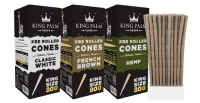
King Palm offers pre-rolled leaf wraps made from Cordia palm leaves that provide a smooth, slow burn similar to spliffs without any tobacco or nicotine. Each pack includes a humidity pack to maintain freshness and optimal moisture content. The natural leaf material burns evenly like a tobacco-mixed roll, but delivers pure cannabis flavor without chemical additives.
These wraps come pre-coned for easy packing—simply grind your cannabis and pack it into the cone. The natural filter tip and slow-burning leaf create an experience that satisfies spliff smokers looking to eliminate tobacco from their routine.
How to Roll a Spliff: Step-by-Step
If you choose to roll a traditional spliff, here's the standard technique:
- Grind your cannabis: Break down your flower to a consistent texture
- Prepare tobacco: Remove tobacco from a cigarette or use loose rolling tobacco
- Mix the blend: Combine cannabis and tobacco in your desired ratio (typically 50/50 or 70/30 cannabis to tobacco)
- Create a filter tip: Roll a small piece of cardstock into a cylinder for the mouthpiece
- Fill the paper: Place the filter at one end and distribute the mixture evenly along the paper
- Roll and seal: Tuck the paper around the mixture, roll tight, and lick the gum strip to seal
- Pack the end: Tap the spliff on a hard surface to settle the mixture
Alternatively, skip the rolling process entirely by using King Palm's pre-coned wraps—just pack and enjoy without the learning curve.
Frequently Asked Questions About Spliffs
What is the difference between a spliff and a joint?
A spliff contains a mixture of cannabis and tobacco rolled together in papers, while a joint contains only cannabis with no tobacco. The tobacco in spliffs adds nicotine effects and helps the roll burn more evenly, but also introduces health risks that pure cannabis joints don't have.
Are spliffs stronger than joints?
Spliffs aren't necessarily stronger—they contain less cannabis than a same-sized joint because tobacco takes up space in the mix. However, the nicotine from tobacco creates a head rush that some interpret as a stronger effect. The combined stimulant and cannabis effects create a different experience rather than a purely stronger one.
Can you make a spliff without tobacco?
Yes, you can create a tobacco-free spliff experience by mixing cannabis with herbal blends or using King Palm's natural leaf wraps. King Palm wraps provide the slow, even burn that spliff smokers enjoy without any tobacco or nicotine, delivering pure cannabis flavor with every puff.
Why do Europeans smoke spliffs instead of joints?
European spliff culture developed from higher tobacco use rates, cannabis availability patterns, and cost considerations. Mixing tobacco became standard practice when hash was more common than flower, and the tradition continued even as cannabis flower became more available across Europe.
Is smoking spliffs more addictive than joints?
Yes, spliffs are more addictive than joints because they contain nicotine from tobacco, which is one of the most addictive substances known. Regular spliff smokers often develop nicotine dependence and experience withdrawal symptoms when they stop, while pure cannabis use has much lower addiction potential.


