







Quick Takeaways
- A weed roller (rolling machine) uses a mechanical process to roll flat papers or wraps around your material—they don't work with pre-coned products
- Rolling machines come in three main types: manual, electric, and automatic, each suited to different experience levels and budgets
- Pre-coned alternatives eliminate the rolling process entirely—you just pack and smoke
- Your choice depends on how often you smoke, your budget, and whether you value speed or the traditional rolling experience
- Quality matters more than complexity—a simple manual roller often outperforms cheap electric models
What Is a Weed Roller?
A weed roller—also called a rolling machine—is a handheld device that helps you roll uniform joints or blunts without developing traditional hand-rolling skills. The machine holds your paper or wrap in place while you distribute your material, then uses rollers or a tumbling mechanism to shape and seal everything into a finished roll.
These devices gained popularity because they solve the biggest frustration for new smokers: getting a tight, even roll that doesn't canoe or fall apart. Instead of spending weeks practicing your rolling technique, you can produce consistent results from day one.
Rolling machines only work with flat rolling papers or wraps. If you're using pre-coned products, you don't need a roller at all—you just pack them directly.
Types of Weed Rollers
Manual Rolling Machines
Manual rollers are the most common type. They consist of two rollers (usually made of plastic or metal) connected by a canvas or rubber apron. You place your paper between the rollers, add your material, roll the apron with your thumbs to shape it, then tuck the paper and complete the roll.
These typically cost $5-$20 and last for years if you take care of them. The main advantage is simplicity—no batteries, no moving parts to break, and easy to clean. The learning curve is minimal, though it still takes a few tries to get the tucking motion right.
Popular sizes include 70mm (standard), 79mm (king size), and 110mm (extra-long). Make sure your roller matches your paper size, or you'll end up with loose ends or wasted material.
Electric Rolling Machines
Electric rollers automate the tumbling process. You load your material and paper, press a button, and the machine does the work. Most run on batteries or USB power and cost anywhere from $15 to $100 depending on features and build quality.
The appeal is hands-free operation, but the reality is more nuanced. Cheaper electric models often produce inconsistent results because they lack the tactile feedback you get with manual rollers. You can't feel when the material is properly distributed or when the paper needs to be tucked.
High-end electric rollers work well for people with dexterity issues or arthritis, but if your hands work fine, a good manual roller usually delivers better results for less money.
Automatic Cone Filling Machines
Technically these aren't rollers—they're cone packers. You insert a pre-coned paper, fill the chamber with ground material, and the machine vibrates or pushes the material into the cone for you.
These range from simple plastic funnels with vibration to motorized devices that can fill multiple cones simultaneously. Professional models used in dispensaries can fill dozens of cones per hour, but consumer versions typically handle 1-6 cones at a time.
If you're using pre-rolled cones regularly, a cone filler makes more sense than a traditional rolling machine. The process is faster and there's no learning curve at all.
How to Use a Manual Weed Roller
The process is straightforward once you understand the mechanics. Open the roller and place your rolling paper between the rollers with the adhesive strip facing you and pointing up. Distribute your ground material evenly along the length of the paper.
Close the roller and use your thumbs to roll both rollers toward you in a smooth motion. This tumbles and compresses the material into a cylinder shape. Keep rolling for 3-4 complete rotations to ensure even distribution.
Tuck the non-adhesive edge of the paper into the rollers and continue rolling forward. The paper will wrap around your material. Lick the adhesive strip and roll it through to seal. Open the roller and remove your finished joint.
The most common mistake is overfilling. Use less material than you think you need—you can always pack more into the ends after rolling. Too much material creates a tight roll that's hard to draw from and won't seal properly.
Rolling Machines vs Hand Rolling
The debate between machines and hand rolling comes down to skill development versus convenience. Hand rolling gives you complete control over density, shape, and size. Experienced rollers can adjust thickness mid-roll, create custom shapes, and work with unusual paper sizes or materials.
Rolling machines sacrifice flexibility for consistency. Every roll comes out nearly identical, which is exactly what beginners want but sometimes frustrating for experienced smokers who like to customize.
There's also a social element. In smoking circles, hand-rolling skills carry a certain respect. Pulling out a rolling machine doesn't have the same cache, though honestly, most people care more about the end result than how you got there.
The practical middle ground: learn to hand roll so you can when needed, but use a machine when speed and consistency matter more than showing off your technique.
The Pre-Coned Alternative
Here's the reality most roller manufacturers don't want you to know: you don't need to roll at all. Pre-coned products eliminate the entire process—rolling machine or otherwise—and let you go straight from grinding to smoking.
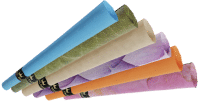
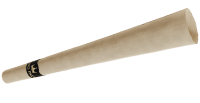
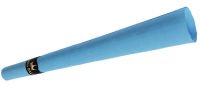
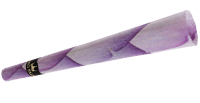
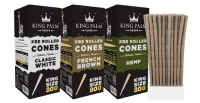
King Palm pre-rolled cones come ready to pack out of the box. They're made from natural palm leaf, so you're not inhaling paper or tobacco. Each pack includes a humidity pack to keep the wraps fresh and pliable until you're ready to use them.
The process is dead simple: grind your material, pack it into the cone using a packing stick or the end of a pen, twist the top, and light up. No tucking, no licking, no worrying about uneven rolls or runs. Pack time is usually under a minute once you've ground your material.
Why Cones Work Better for Most Smokers
Cones solve the consistency problem that rolling machines address, but without requiring any device at all. Every cone has the same draw resistance, burns at the same rate, and delivers the same experience. You can't overfill one side or create a weak seal that unravels halfway through.
They're also portable in a way that rolling machines aren't. You can throw a few cones in your pocket or bag and pack them wherever you end up. Try that with a roller and you're carrying around a bulky device plus papers plus your material.
For people who smoke regularly, the time savings add up. Packing a cone takes 30-60 seconds versus 2-3 minutes with a rolling machine (including setup and cleanup). Over a year of daily use, that's hours of your life back.
What to Look for in a Rolling Machine
If you're committed to using a rolling machine, focus on build quality over features. A simple $10 plastic roller from a reputable brand outperforms a $30 electric model with cheap components.
Check the roller material—metal lasts longer than plastic, but adds weight. The apron should be canvas or thick rubber, not thin synthetic material that tears easily. Make sure the rollers spin smoothly without wobbling or sticking.
Size matters. Match your roller to your preferred paper size. A 110mm roller works with smaller papers, but a 70mm roller can't handle king-size papers. If you smoke different sizes, you'll need multiple machines or a rare adjustable model.
Maintenance and Longevity
Rolling machines need regular cleaning to prevent resin buildup. Take the rollers apart every few weeks and wipe them down with isopropyl alcohol. Pay special attention to the apron—sticky buildup here causes uneven rolling and can tear the fabric.
Don't force stuck rollers. If they won't turn smoothly, there's debris or damage that needs addressing. Forcing it will bend the frame or tear the apron.
Store your roller in a dry place. Humidity causes rust in metal rollers and mold in the apron. If you live in a humid climate, consider keeping it in a sealed container with a small desiccant pack.
Cost Comparison: Rollers vs Cones
A decent manual rolling machine costs $10-$20 upfront, then you're buying rolling papers indefinitely. Papers run about $2-$5 per pack of 50-100, so heavy smokers spend $20-$50 per year on papers alone.
Pre-rolled cones cost more per unit—typically $1-$3 each depending on size and material—but eliminate the need for a machine. If you smoke one per day, you're looking at $365-$1,095 annually. That seems expensive until you factor in the time saved and failed rolls wasted.
The break-even point depends on your smoking frequency and how much you value your time. For occasional smokers (a few times per month), cones make more financial sense—no device to buy or maintain, and pre-cones stay fresh for months when stored properly with their humidity pack.
For daily smokers, the math gets more interesting. The time saved by packing cones versus rolling adds up to hours per month. What's that worth to you?
Common Rolling Machine Problems
Uneven or Lumpy Rolls
This usually means uneven material distribution before you started rolling. Take an extra second to spread everything evenly along the paper before closing the roller. Grind consistency matters too—chunky material creates lumps no matter how good your technique.
Paper Won't Tuck
You're probably overfilling the roller or the paper is too small for your machine. Try using less material or switching to papers that match your roller size. Sometimes the apron is worn out and can't grip the paper—time for a replacement.
Loose or Floppy Rolls
Not enough material or insufficient tumbling before tucking. Add a bit more and roll it 4-5 times before tucking the paper. The material should feel firm but not rock-hard when you press gently on the roller.
Tears and Runs
Either your rolling technique is too aggressive or the papers are low quality. Cheap papers tear easily, especially when damp. Upgrade to better papers or switch to a more durable wrap material. Also make sure your rollers are clean—resin buildup can catch and tear paper.
Natural Leaf Wraps and Rolling Machines
Most rolling machines are designed for paper, and thicker materials like tobacco wraps or palm leaf can be tricky. The wraps don't always feed through cleanly, and the moisture content makes them stick to the rollers.
If you want the natural leaf experience, King Palm wraps offer a better solution than trying to force wraps through a rolling machine. They're made from actual palm leaves—no tobacco, no additives, no paper—and they come flat for hand rolling or pre-coned for packing.
The pre-coned versions give you the natural burn and flavor of palm leaf without any rolling required. They include a corn husk filter tip that stays cool and provides smooth airflow, something you can't get from a standard rolling machine setup.
Frequently Asked Questions
Can you use a rolling machine with blunt wraps?
Some rolling machines can handle thin blunt wraps, but most aren't designed for the thickness and moisture content of traditional tobacco wraps. The wraps tend to stick to the rollers or tear during the tucking process. If you want blunt-style smoking, pre-coned palm leaf wraps work better—they provide the slow burn and thickness of a blunt without the hassle of rolling.
How long does a rolling machine last?
A quality manual rolling machine can last 5-10 years with proper care and cleaning. Plastic models wear out faster than metal, especially the apron component which takes the most stress. Electric rollers have shorter lifespans—typically 1-3 years—because motors and electronic components fail. The best longevity comes from simple manual designs with few moving parts.
Are rolling machines worth it for beginners?
Rolling machines help beginners get consistent results immediately, which beats spending weeks practicing hand rolling and wasting material on failed attempts. However, pre-rolled cones are even easier and faster—no learning curve at all, just pack and smoke. If you're deciding between learning to roll by hand or buying a machine, consider whether cones might suit your needs better and skip the rolling process entirely.
What size rolling machine should I buy?
Match your roller size to your preferred paper size: 70mm for standard joints, 79mm for king size, and 110mm for extra-long rolls. Most smokers find 79mm (king size) the best all-around option—big enough for sharing but not wasteful for solo sessions. Buy based on the papers you already use or plan to buy, since mixing sizes doesn't work well.
Do electric rolling machines work better than manual?
Not usually. High-end electric rollers ($75+) can match manual quality and work well for people with hand mobility issues, but cheap electric models ($15-$30) often produce worse results than a basic manual roller. Electric versions remove the tactile feedback that helps you feel when material is properly distributed and when to tuck the paper. For most smokers, a $10 manual roller outperforms a $20 electric one.


