









What Is a Humidity Pack?
A humidity pack is a small sachet that regulates moisture levels inside a sealed container using two-way humidity control technology. Instead of just adding moisture or just absorbing it, these packs do both — maintaining a precise relative humidity (RH) level so your cigars, flower, wraps, or herbs stay in peak condition.
If you've ever opened a bag of rolling wraps that felt dry and crackly, or pulled a cigar from a humidor that tasted stale, you already know why humidity matters. This guide covers everything: how humidity packs work, which RH level to choose, how long they last, and why King Palm is the only major wrap brand that includes one in every package.
How Two-Way Humidity Control Works
A humidity pack — sometimes called a moisture pack, humidity control pack, or humidification packet — is a sealed sachet containing a saturated salt solution or glycerin-based gel. The key feature is two-way humidity control: the pack both absorbs and releases moisture to maintain a specific relative humidity inside a closed environment.
Here's how that works in plain terms:
- If the air is too dry, the pack releases moisture vapor through its permeable membrane.
- If the air is too humid, the pack absorbs excess moisture and locks it inside.
This back-and-forth exchange keeps the RH level stable — usually within 1-2% of the target printed on the pack (like 62% or 72%). Compare that to a damp sponge or a wet paper towel, which only add moisture with zero regulation. Two-way control is what separates a real humidity pack from a DIY hack that'll ruin your product.
What Are Humidity Packs Used For?
Humidity packs started in the cigar world, but they've found their way into a lot of other applications. The most common uses:
- Cigars: Maintaining humidor conditions at 68-72% RH to prevent cracking, unraveling, or mold growth.
- Cannabis flower: Keeping bud at 58-62% RH to preserve terpenes, prevent over-drying, and avoid harsh smoke.
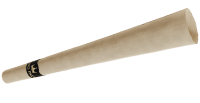
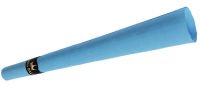
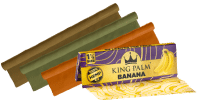
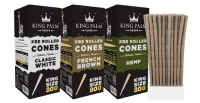
- Rolling wraps and cones: Protecting natural leaf wraps from drying out and becoming brittle. This is exactly why King Palm includes a humidity pack with every pack of pre-coned palm leaf wraps.
- Herbal blends: Maintaining consistency in moisture-sensitive dried herbs and botanicals.
- Musical instruments: Protecting wooden guitars, violins, and other instruments from humidity swings.
- Electronics and collectibles: Preventing moisture damage during storage or shipping.
For anyone reading this in the smoking category — cigars, flower, wraps — the takeaway is simple: if you're storing anything you plan to smoke, a humidity pack protects your investment and your experience.
How to Use a Humidity Pack
Using a humidity pack is about as straightforward as it gets. No setup, no maintenance, no batteries.
Step-by-Step
- Choose the right RH level for your product (more on this below).
- Place the humidity pack directly inside your container — a mason jar, humidor, Mylar bag, or any airtight vessel.
- Don't worry about contact. It's fine for the pack to touch your product. Humidity packs are food-safe and won't transfer any flavor, liquid, or residue.
- Seal the container.
- Leave it alone. The pack starts working immediately and will regulate moisture on its own.
That's it. There's no activation step, no soaking required. Just drop it in and close the lid.
A Few Things to Keep in Mind
- The container must be airtight. A humidity pack can't regulate an open jar — it'll exhaust itself trying to humidify your entire room.
- Use the right size pack for your container. A small 4-gram pack works for a quarter-ounce jar. A 67-gram pack is better for a humidor or a large stash container.
- You can use multiple packs in a larger space. They won't over-humidify — they self-regulate.
Humidity Pack Sizes and RH Levels
Humidity packs come in different RH percentages and physical sizes. Both matter, and they serve different purposes.
RH Levels Explained
- 58% RH: The lower end. Preferred by some cannabis users who want a slightly drier smoke or who vaporize their flower. Keeps bud from feeling sticky while still preserving terpenes.
- 62% RH: The sweet spot for most cannabis flower. Moist enough to preserve flavor and smooth smoke, dry enough to grind easily and burn evenly. This is the most popular choice for flower storage.
- 69% RH: A middle ground sometimes used for premium cigars in moderate climates.
- 72% RH: The standard for cigar humidors. Cigars need more moisture than flower to stay pliable and maintain their wrapper integrity.
For natural rolling wraps — like King Palm's palm leaf wraps — the included humidity pack is calibrated to keep the leaf flexible and ready to smoke right out of the package. No guesswork required.
Pack Sizes
- 1g – 4g packs: Small jars, individual wrap packages, travel containers.
- 8g packs: Half-ounce to one-ounce jars.
- 67g packs: Large jars, humidors, bulk storage.
- 320g packs: Walk-in humidors, commercial storage, dispensary inventory.
How Long Do Humidity Packs Last?
This depends on three factors: the size of the pack, how often you open the container, and the ambient conditions where you store it.
General guidelines:
- In a sealed, airtight container: 2 to 6 months for small packs, up to 12 months for larger ones.
- In a container you open frequently: 1 to 3 months. Every time you open the lid, the pack has to work harder to re-stabilize the RH.
- In a loosely sealed container: Weeks at best. Again — airtight matters.
How to Tell When a Humidity Pack Is Spent
A fresh humidity pack feels soft and pliable, like a small gel pack. When it's done, you'll notice a clear change:
- The pack becomes hard, rigid, or crunchy.
- It may feel like a thin piece of cardboard instead of a squishy sachet.
- Some packs develop a noticeably stiff or brittle texture throughout.
Once a pack is hard, it's spent. It can no longer absorb or release moisture effectively. Replace it with a fresh one.
Boveda vs Integra Boost: Which Is Better?
The two biggest names in humidity packs are Boveda and Integra Boost. Both work well, and both use two-way humidity control. Here's how they compare.
Boveda
- Uses a saturated salt solution sealed in a permeable membrane.
- Has been around since 1997 — the original two-way humidity pack.
- Available in a wide range of RH levels (49%, 58%, 62%, 65%, 69%, 72%, 75%, 84%).
- Industry standard in the cigar world.
- Tends to cost slightly more per unit.
Integra Boost
- Uses a plant-based glycerin solution — marketed as a more natural option.
- Includes a replacement indicator card that changes color when the pack is spent.
- Available in 55%, 62%, and 72% RH options.
- Generally a bit less expensive.
- FDA-compliant and food-safe.
Honestly, both get the job done. If you want the widest range of RH options and the longest track record, go with Boveda. If you like having the visual indicator card and prefer a plant-based formula, Integra Boost is solid. Either way, you're getting reliable two-way humidity control.
Why King Palm Includes a Humidity Pack in Every Pack
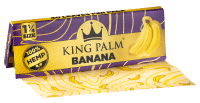
Here's something most people don't realize: King Palm is the only major wrap brand that ships every package with a humidity pack inside.
Why? Because King Palm wraps are made from real palm leaf — a natural material that's sensitive to moisture levels. If a palm leaf wrap dries out, it can crack when you try to smoke it. If it's too moist, it won't burn properly. The humidity pack in every King Palm package keeps each pre-coned wrap at the right moisture level from the factory to your hands.
This matters for two reasons:
- Burn quality: A properly humidified palm leaf burns slow and even. A dried-out wrap burns fast, hot, and harsh. The humidity pack ensures you get the slow burn King Palm is known for — every single time.
- Flavor: Natural palm leaf has a clean, neutral taste. But only when it's at the right moisture level. Dry wraps taste papery. Properly humidified wraps let you taste your blend, not the wrapper.
It's a small detail that makes a big difference, and it's a good example of why King Palm has built the reputation it has. If you're new to the brand, check out this King Palm for beginners guide, or browse the full lineup of King Palm humidity control products.
Already a fan? Here are some tips on how to keep King Palms fresh for long-term storage.
Tips for Getting the Most Out of Your Humidity Packs
- Always use an airtight container. Mason jars, humidors with good seals, CVault containers, and Mylar bags with heat seals all work well. Ziplock bags are better than nothing, but they're not truly airtight.
- Don't open the pack's wrapper until you're ready to use it. Humidity packs start working the moment they're exposed to air. Leaving one on your desk for a week before putting it in a jar means it's already partially spent.
- Don't mix RH levels. If you put a 62% pack and a 72% pack in the same container, they'll fight each other and both die faster. Pick one RH level and stick with it.
- Store backup packs in a sealed bag. If you buy a multi-pack, keep the extras sealed in the original packaging or in a ziplock bag until you need them.
- Replace packs when they get stiff. Don't push it. A spent pack isn't doing anything. Swap it out and your product will thank you.
- Keep containers out of direct sunlight and extreme heat. High temperatures cause moisture to evaporate faster, which burns through your humidity pack and can degrade whatever you're storing.
FAQ
What does a humidity pack do?
A humidity pack regulates the moisture level inside a sealed container using two-way humidity control. It absorbs excess moisture when the air is too humid and releases moisture when the air is too dry, maintaining a stable relative humidity (RH) level around your product.
How long will a Boveda humidity pack last?
In a properly sealed airtight container, a Boveda pack typically lasts 2 to 6 months depending on the pack size, container volume, and how often you open it. Larger packs in stable environments can last up to a year. You'll know it's done when it feels hard and rigid instead of soft.
How long is a humidity pack good for?
An unopened humidity pack in its original sealed packaging can last 2 or more years on the shelf. Once opened and placed in a container, expect 2 to 6 months of effective use. Replace it as soon as it loses its soft, pliable feel.
Do humidity packs really work?
Yes. Two-way humidity packs are backed by straightforward chemistry — saturated salt solutions naturally maintain a fixed RH level. This isn't marketing spin; it's the same principle used in laboratory calibration. Cigar shops, dispensaries, and museums all rely on them for consistent humidity control.
Can you recharge a humidity pack?
Some people try to recharge Boveda packs by soaking them in distilled water for a few days. It can partially restore them for another cycle, but the performance won't match a fresh pack. Integra Boost packs are not designed to be recharged. For reliable results, replacing spent packs is the better move.
Do humidity packs expire?
Unopened packs stored in their original sealed packaging have a long shelf life — generally 2+ years. Once opened, they gradually lose effectiveness as the salt solution is depleted. They don't expire in the traditional sense, but they do run out of the solution that makes them work.
Can a humidity pack make my product too moist?
No. That's the whole point of two-way humidity control. The pack is calibrated to a specific RH percentage and won't exceed it. If the air inside the container reaches the target RH, the pack simply stops releasing moisture until the level drops again.


