






What Is a Pre-Roll?
A pre-roll is a ready-to-smoke joint or cone that comes pre-filled with ground cannabis flower. Instead of grinding, rolling, or packing your own, you buy it ready to light — no tools, no skill, no prep time required.
Pre-rolls have become one of the most popular product categories in legal cannabis markets, and for good reason. They remove every barrier between you and smoking. But not all pre-rolls are created equal, and understanding the differences can save you from a disappointing experience. This guide breaks down everything worth knowing — types, quality signals, pros, cons, and how to get the best smoke possible.
Pre-Roll Definition
The term "pre-roll" simply means someone else did the rolling for you. In a dispensary context, a pre-roll is a joint or cone filled with ground flower, sealed, and sold as a finished product. Most come in standard sizes — half-gram, one gram, or 1.5 grams — though king-size and multi-packs are common too.
Pre-rolls exist because rolling a joint is a skill not everyone has (or wants to develop). They also solve a practical problem: you need flower, a grinder, papers or wraps, a filter tip, and a few minutes of focused effort. A pre-roll skips all of that.
Dispensaries and brands produce pre-rolls at scale using filling machines that load ground flower into paper cones, then twist or fold the top shut. Some brands hand-roll theirs, but machine-filled cones are the industry standard.
Types of Pre-Rolls
Not every pre-roll is the same product. Here's what you'll find on dispensary shelves:
Classic Joints
A standard joint rolled in thin rice or hemp rolling paper with a crutch (filter tip). These are the simplest pre-rolls — just paper, flower, and a filter. They tend to burn fast and let you taste the flower more directly than wraps or blunts.
Cones
Cones are pre-shaped into a tapered tube that's wider at the top and narrow at the filter. They're packed with ground flower rather than rolled by hand. Most dispensary pre-rolls are actually cones, not hand-rolled joints, because cones are easier to fill consistently with machines.
Blunt Pre-Rolls
A blunt pre-roll uses a tobacco leaf or tobacco-free wrap instead of thin rolling paper. The wrap is thicker, burns slower, and adds its own flavor to the smoke. For a deeper breakdown, check out our comparison of blunt vs joint.
Infused Pre-Rolls
These contain more than just flower. Infused pre-rolls are enhanced with concentrates — usually distillate, live resin, hash rosin, or kief — to boost potency. They've become a massive category on their own, so we cover them in detail below.
Hash Holes
A hash hole (sometimes called a "donut") is a premium infused pre-roll with a solid core of hash rosin running through the center of the joint. When you smoke it and look at the cherry, you see a hole in the middle where the rosin melted away — hence the name. These are top-shelf products that typically run $40–$80 each.
Pre-Roll vs Joint: What's the Difference?
Technically, every pre-roll joint is a joint — but not every joint is a pre-roll. The distinction is about who made it.
A joint is anything rolled in thin paper with cannabis flower inside. When you roll one yourself at home, it's a joint. When a brand fills one in a facility, packages it, and sells it at a dispensary, it becomes a pre-roll. The product is fundamentally the same; the label just tells you it was made commercially rather than by hand.
Some people use "pre-roll" exclusively for dispensary products and "joint" for anything homemade, but the terms overlap constantly. Don't overthink it.
Pre-Roll vs Blunt: How They Compare
A pre-roll and a blunt differ mainly in the wrap material:
- Pre-roll (joint): Uses thin rolling paper (rice, hemp, or wood pulp). Burns relatively fast. Minimal flavor from the paper itself.
- Blunt: Uses a thicker wrap — traditionally a tobacco leaf, though palm leaf and hemp wraps are popular tobacco-free alternatives. Burns slower. The wrap contributes flavor and body to the smoke.
Blunts hold more flower, burn at a slower pace, and tend to feel like a heavier session. Joints are lighter and quicker. A blunt pre-roll gives you that slow-burning blunt experience without needing to roll it yourself.
The other key difference: traditional blunt wraps contain nicotine from the tobacco leaf. If you want the slow burn without the tobacco, palm leaf wraps and hemp wraps are the go-to alternatives.
Pros and Cons of Pre-Rolls
The Case for Pre-Rolls
- Zero effort. No grinding, no rolling, no YouTube tutorials. Open the tube and light it.
- Portability. Pre-rolls come in sealed tubes or packs that fit in a pocket.
- Consistency. Good brands dial in their fill weight and density so every pre-roll smokes the same.
- Variety. You can try different strains in single units without committing to an eighth.
The Case Against Pre-Rolls
- Freshness concerns. Pre-rolls sit on shelves. Flower dries out over time, especially in paper tubes with no humidity control. A dry pre-roll burns hot and harsh.
- Quality transparency. You can't see the flower inside. Some brands use shake, trim, or a mix of leftover strains ("rainbow packs") rather than whole-bud flower.
- Uneven burns. Poorly packed pre-rolls canoe (burn down one side), run, or go out repeatedly.
- Price per gram. You're paying for labor and packaging. Gram-for-gram, pre-rolls cost more than buying flower and rolling your own.
What Are Infused Pre-Rolls?
Infused pre-rolls combine cannabis flower with some form of concentrate to increase potency, alter flavor, or both. They're one of the fastest-growing segments in legal cannabis, and the variety keeps expanding.
Common infusion methods include:
- Distillate coating: The paper or wrap is painted with a layer of THC distillate, sometimes on the inside, sometimes on the outside. This adds potency without much flavor.
- Live resin infusion: Flower is mixed with live resin before packing, or the pre-roll is drizzled with it. Live resin preserves terpenes from fresh-frozen flower, so these tend to be more flavorful than distillate-infused options.
- Kief coating: The outside of the pre-roll is rolled in kief (trichome heads collected from flower). Adds potency and looks impressive, though some of the kief inevitably falls off in the tube.
- Hash rosin core: A snake of hash rosin runs through the center of the joint (this is the hash hole style mentioned above). Considered the premium tier of infused pre-rolls.
Infused pre-rolls typically test between 35–55% total THC, compared to 20–30% for a standard flower pre-roll. They hit significantly harder — if you're new to cannabis, an infused pre-roll is not where you want to start.
How to Smoke a Pre-Roll
Straightforward, but a few tips help:
- Light it evenly. Hold the flame to the tip and rotate the pre-roll slowly. You want an even cherry all the way around before you start inhaling. Lighting one side and immediately pulling creates an uneven burn.
- Don't inhale while lighting. Toast the tip first, then take your first draw once it's evenly lit.
- Take moderate pulls. Pulling too hard causes the pre-roll to burn hot and canoe. Slow, steady draws produce better smoke and a more even burn.
- Ash regularly. A long ash column restricts airflow and can cause the pre-roll to go out.
- Relight if needed. No shame in it. If the burn goes uneven, let it go out, gently knock off the ash, and relight.
How to Tell if a Pre-Roll Is Good Quality
Since you can't open a pre-roll to inspect the flower, here's what to check before and during your smoke:
Before Lighting
- Feel the density. Gently squeeze the pre-roll along its length. It should feel firm and evenly packed, not lumpy or hollow. Soft spots mean air pockets that will cause an uneven burn.
- Check the weight. A labeled one-gram pre-roll should actually feel like a gram. If it feels suspiciously light, the fill might be short.
- Smell it. Open the tube and smell the pre-roll. Good flower smells loud, even through paper. If there's no aroma or it smells like hay, the flower is old or low quality.
- Look at the packaging date. Fresher is better. Pre-rolls older than a few months have likely dried out unless the packaging includes humidity control.
While Smoking
- Even burn. A quality pre-roll burns straight and even without constant relighting or correction.
- White or light gray ash. This indicates a clean, proper burn. Dark black ash can signal additives or poor-quality flower.
- Smooth draw. You shouldn't have to pull hard to get smoke. Restricted airflow means it's packed too tight.
- Flavor. Good flower has distinct flavor through the paper. If it tastes like nothing or like burnt plant matter with no nuance, the quality isn't there.
Pre-Coned Wraps: The DIY Pre-Roll
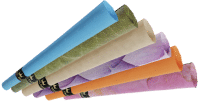
If you like the convenience of a pre-roll but want to choose your own flower, pre-coned wraps split the difference. You get the shape and structure already done — you just grind your flower and pack it in.
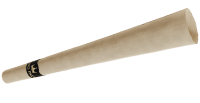
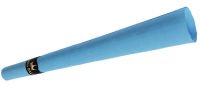
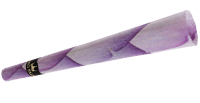
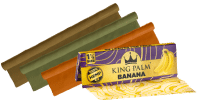
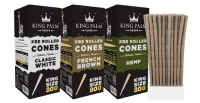
King Palm makes pre-coned wraps from natural palm leaves. They're not papers and they're not tobacco — they're actual palm leaf, slow-burning and chemical-free. Each wrap comes pre-coned and ready to fill, so there's no rolling involved. You grind your flower, pack the cone, and you're smoking. If you've never tried one, our King Palm for beginners guide walks through the whole process.
One thing that sets King Palm apart from other cones: every pack includes a humidity pack to keep the wraps fresh until you're ready to use them. Dried-out wraps crack and burn unevenly — the humidity pack prevents that problem entirely.
For a step-by-step on filling, see our guide on how to pack a King Palm. And if you're exploring options beyond standard paper cones, we've put together a list of pre-rolled cone alternatives worth trying.
FAQ
What is the difference between a blunt and a pre-roll?
A blunt uses a thick tobacco leaf or tobacco-free wrap (like palm leaf or hemp), while a standard pre-roll uses thin rolling paper. Blunts burn slower, hold more flower, and the wrap adds its own flavor. A pre-roll joint is lighter and quicker to smoke. Both can be purchased pre-made or rolled at home.
What is pre-roll smoking?
Pre-roll smoking simply means smoking a pre-made joint or cone purchased from a dispensary or brand rather than one you rolled yourself. The experience is the same as smoking any joint — you light the tip, inhale, and enjoy. The "pre-roll" part just refers to how it was made.
Why are prerolls so cheap?
Many budget pre-rolls use shake (small pieces of flower that fall off larger buds during processing) or trim rather than whole-bud flower. Shake costs producers significantly less than premium nugs, so the savings get passed along. Machine-filling cones is also fast and labor-light compared to hand-packing. That said, not all cheap pre-rolls use low-quality material — some brands price aggressively to compete. Check the label for "whole flower" or "nug run" if quality matters to you.
Are pre-rolls safe to smoke?
Pre-rolls from licensed dispensaries go through the same testing requirements as all regulated cannabis products — they're tested for pesticides, heavy metals, mold, and potency. In that sense, they're as safe as any other cannabis flower product. The risks of smoking in general (inhaling combusted plant material) apply equally to pre-rolls, joints you roll yourself, and blunts.
How should I store pre-rolls?
Keep pre-rolls in their sealed tube or container, away from heat and direct sunlight. Humidity matters — flower dries out quickly once exposed to air, and a dry pre-roll burns hot and tastes harsh. If you're storing pre-rolls for more than a day or two, a small humidity pack in the container helps maintain moisture levels.
Can I fly with pre-rolls?
Cannabis remains federally illegal in the United States, and the TSA operates under federal jurisdiction. Technically, you cannot legally bring pre-rolls on a flight, even between two legal states. TSA agents aren't actively searching for cannabis, but if they find it during a routine screening, they're required to refer it to local law enforcement.


