








What Is a Spliff?
A spliff is a hand-rolled smoke that contains a mixture of cannabis and tobacco wrapped in a rolling paper. That blend of tobacco and weed is what separates a spliff from a standard joint, which contains only cannabis. Spliffs are hugely popular across Europe, the Caribbean, and many other parts of the world — and they've been part of smoking culture for decades.
If you've heard the term tossed around and weren't sure exactly what it meant, you're in the right place. This guide covers the spliff definition, how it stacks up against joints and blunts, why people smoke them, the downsides, and how to roll one yourself.
Spliff Definition and Origins
At its core, a spliff is simple: cannabis plus tobacco, rolled together in a thin rolling paper. The ratio varies by personal preference. Some smokers go heavy on the cannabis with just a pinch of tobacco, while others split the mix closer to 50/50. There's no set formula — the blend is entirely up to you.
Where Does the Word "Spliff" Come From?
The word "spliff" traces its roots to Jamaica and the broader Caribbean, where it has been used since at least the 1930s. Its exact etymology is debated, but most linguists connect it to Jamaican Patois. In Jamaica, "spliff" originally referred to any cannabis cigarette — tobacco mix or not. As the term traveled through reggae culture and into the UK and Europe, it took on the more specific meaning of a tobacco-cannabis blend.
In the United States, the word gained traction more recently. For years, American smokers just called everything a "joint." But as cannabis culture became more global and interconnected, the distinction between a pure-cannabis joint and a tobacco-blended spliff became more widely recognized stateside.
Spliff vs Joint: What's the Difference?
The difference between a spliff and a joint comes down to one ingredient: tobacco.
- Joint: Cannabis only, rolled in a thin rolling paper (rice, hemp, or wood pulp). No tobacco involved.
- Spliff: Cannabis and tobacco, rolled in the same type of thin rolling paper.
From the outside, a spliff and a joint can look identical. Both use the same papers, both can include a crutch or filter tip, and both are roughly the same size. The difference is entirely in the fill.
That said, the smoking experience is noticeably different. The tobacco in a spliff adds a head rush from the nicotine, changes the flavor profile, and tends to make the roll burn more evenly and at a steadier pace. Joints deliver a pure cannabis flavor and effect without any nicotine buzz.
For a deeper dive into how joints compare to other smoking methods, check out our guide on blunt vs joint differences.
Spliff vs Blunt: How They Compare
Spliffs and blunts both involve tobacco, but in very different ways.
- Spliff: Tobacco is mixed into the fill alongside cannabis, and the whole thing is wrapped in a thin rolling paper.
- Blunt: The fill is typically pure cannabis, but it's rolled in a tobacco leaf wrap or cigar paper. The tobacco is in the wrapper itself, not mixed with the weed.
Blunts are generally thicker, hold more cannabis, and burn slower than spliffs. The tobacco leaf wrap also adds a distinct, sweet flavor that many smokers enjoy. Spliffs, by comparison, are lighter and closer in size to a standard cigarette.
Another practical difference: rolling a blunt requires a cigar wrap or tobacco leaf, while a spliff uses the same thin papers you'd buy for joints. If you're curious about the technique, here's a solid walkthrough on how to roll a blunt.
Joint vs Spliff vs Blunt
Here's a side-by-side breakdown of how all three compare:
| Feature | Joint | Spliff | Blunt |
|---|---|---|---|
| Fill | Cannabis only | Cannabis + tobacco | Cannabis only (usually) |
| Wrap | Rolling paper | Rolling paper | Tobacco leaf or cigar wrap |
| Contains tobacco? | No | Yes (in the fill) | Yes (in the wrap) |
| Nicotine present? | No | Yes | Yes |
| Typical size | Small to medium | Small to medium | Medium to large |
| Burn speed | Moderate | Steady | Slow |
| Flavor | Pure cannabis | Tobacco + cannabis blend | Sweet tobacco wrap + cannabis |
| Popularity | Worldwide | Europe, Caribbean, global | United States, Canada |
Why Do People Smoke Spliffs?
Spliffs have stuck around for good reasons. Here's why many smokers prefer them:
- Conserves cannabis. Mixing in tobacco stretches your stash. If you're trying to make a gram last, spliffs are an efficient way to get more rolls out of less flower.
- Even, steady burn. Tobacco burns consistently, which helps prevent canoeing (when one side of the roll burns faster than the other). Spliffs tend to burn smoother than pure-cannabis joints.
- Nicotine buzz. Some smokers enjoy the combined head rush of nicotine and THC. The two create a layered effect that many find energizing, especially in social settings.
- Milder high. Because the fill is diluted with tobacco, each hit delivers less THC. For people with low tolerance or those who want to stay functional, this can be a plus.
- Cultural tradition. In much of Europe and the Caribbean, spliffs aren't just an option — they're the default. Rolling with tobacco is deeply embedded in the smoking culture of many countries.
Downsides of Smoking Spliffs
Spliffs aren't without drawbacks. The biggest concern is obvious: tobacco.
- Tobacco health risks. Smoking tobacco in any form introduces carcinogens, tar, and other harmful chemicals into your lungs. The health risks of tobacco are well-documented and significant, regardless of how it's consumed.
- Nicotine addiction. Regular spliff use means regular nicotine intake. Over time, this can create dependency — meaning you might crave the tobacco component just as much as the cannabis.
- Altered flavor. Tobacco changes the taste of your flower. If you've invested in quality, flavorful cannabis, mixing it with tobacco masks many of those terpene-driven flavors.
- Social stigma in some circles. In the U.S. especially, many cannabis consumers are moving away from tobacco entirely. Passing a spliff in a group session might not be welcomed if others expect a pure joint.
- Harder to gauge your high. The nicotine buzz can mix with the THC effects in unpredictable ways, making it trickier to understand your actual cannabis tolerance.
How to Roll a Spliff
Rolling a spliff is nearly identical to rolling a joint — the only extra step is blending your fill. Here's how to do it:
What You'll Need
- Ground cannabis
- Tobacco (from a cigarette or loose rolling tobacco)
- Rolling papers (any standard size — king-size gives you more room)
- A crutch or filter tip (optional but recommended)
Step-by-Step
- Prepare the fill. Grind your cannabis and break up the tobacco. Mix them together in a small tray or on a flat surface. Start with a 70/30 cannabis-to-tobacco ratio and adjust from there based on your preference.
- Make a crutch. Tear a small strip of cardstock or use a pre-made filter tip. Roll it into a tight cylinder. This goes at one end of the paper and gives you something to hold onto.
- Load the paper. Hold the rolling paper with the adhesive strip facing you, sticky side up. Place the crutch at one end and distribute the cannabis-tobacco mix evenly along the paper.
- Shape the roll. Use your thumbs and index fingers to roll the paper back and forth, gently packing and shaping the fill into a cylinder.
- Tuck and seal. Tuck the non-adhesive side of the paper around the fill, then roll it up. Lick the adhesive strip lightly and press it down to seal.
- Pack and twist. Use a pen or small tool to gently pack the open end. Twist the tip closed if you're not lighting up right away.
If rolling by hand isn't your thing, there are plenty of rolling paper alternatives worth exploring — including pre-rolled options that skip the hand-rolling process entirely.
Tobacco-Free Alternatives to Spliffs
A lot of people reach for spliffs specifically because they like the slow, even burn that tobacco provides. The actual tobacco itself? Not always the draw. If that sounds like you, there are ways to get that same steady burn without the nicotine and carcinogens.
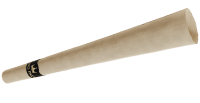
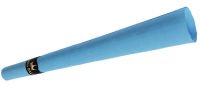
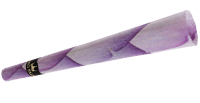
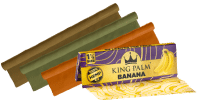
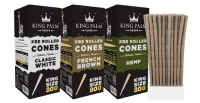
Palm leaf wraps are one solid option. King Palm wraps, for example, are made from natural palm leaves and are pre-coned — meaning they come ready to fill, no rolling required. They burn slow and even, similar to how tobacco steadies the burn in a spliff, but without any tobacco or nicotine in the equation.
Each King Palm pack also includes a humidity pack to keep the wraps fresh and pliable until you're ready to use them. That built-in moisture control prevents cracking and ensures a smooth smoking experience right out of the packaging.
For smokers who enjoy the ritual of spliffs but want to cut tobacco out of the routine, natural leaf wraps offer a practical middle ground: the slow burn and smooth draw you're used to, minus the health trade-offs.
FAQ
What is the difference between a spliff and a joint?
A joint contains only cannabis rolled in a thin paper. A spliff contains a mix of cannabis and tobacco in the same type of paper. They look similar from the outside, but the tobacco in a spliff adds a nicotine buzz and changes both the flavor and the burn rate.
Why do they call it a spliff?
The word "spliff" originates from Jamaican Patois and has been in use since at least the 1930s. Its exact origin is unclear, but the term spread globally through Caribbean culture and reggae music. In Jamaica, it originally referred to any cannabis cigarette. The more specific meaning — a cannabis-tobacco blend — developed as the word traveled to Europe and North America.
What do Americans call spliffs?
For a long time, most Americans simply called everything a "joint" without distinguishing whether it contained tobacco. As cannabis culture has become more global, the term "spliff" has gained widespread recognition in the U.S. to specifically describe a tobacco-cannabis roll. Some American smokers still informally call them "Euro joints" or just "joints with tobacco."
What is a spliff in Jamaica?
In Jamaica, a spliff typically refers to any cannabis cigarette — with or without tobacco. The term doesn't carry the tobacco-specific meaning it has in Europe and North America. Jamaican spliffs are often conical in shape, larger than a standard joint, and deeply tied to Rastafarian culture and tradition.
Are spliffs stronger than joints?
Not exactly. Since spliffs contain tobacco alongside cannabis, each hit actually delivers less THC than a hit from a pure joint of the same size. However, the nicotine creates a combined buzz that some people perceive as more intense, especially the initial head rush. In terms of pure cannabis effect, a joint is stronger puff for puff.
Can you roll a spliff without tobacco?
By definition, no — a spliff contains tobacco. A cannabis-only roll in a thin paper is just a joint. That said, some people use herbal smoking blends or other tobacco-free fillers as a substitute to get a similar "mixed" smoking experience without the nicotine. Natural palm leaf wraps or hemp wraps are another way to get a slow, even burn without adding any tobacco to your fill.
Over 60% of European Cannabis Smokers Prefer Spliffs to Pure Joints
In countries like the Netherlands, UK, and Germany, spliffs dominate cannabis culture, with surveys showing that 60-75% of regular consumers mix tobacco with their cannabis according to European drug monitoring reports. This regional preference stems from both cultural tradition and practical considerations around cannabis potency and cost.
The tobacco mixing habit developed partly because European hashish historically came in dense, potent blocks that burned poorly on their own. Adding tobacco created a more consistent burn and stretched expensive cannabis further. This practice became so ingrained that even with modern flower availability, many European smokers find pure joints too intense or wasteful.
In contrast, North American cannabis culture traditionally favored pure cannabis consumption, though spliffs have gained popularity in recent years as international smoking customs merge through social media and travel.
The Nicotine Factor: Why Spliffs Create a Different High
The tobacco in spliffs doesn't just change the flavor—it fundamentally alters the physiological experience. Nicotine reaches the brain within 10-20 seconds of inhalation, creating an immediate head rush that compounds with THC's effects. This combination produces a more stimulating, energetic sensation compared to cannabis alone.
For non-tobacco users, this nicotine buzz can cause dizziness, nausea, or increased heart rate. Regular tobacco smokers often don't notice the nicotine effects as distinctly, experiencing primarily the cannabis high. The addictive nature of nicotine also means spliff smokers may develop cravings beyond their cannabis use patterns.
Additionally, tobacco smoke contains over 7,000 chemicals, including tar and carcinogens absent from pure cannabis. The respiratory risks of spliffs exceed those of joints because you're exposing lungs to both substances simultaneously.
Tobacco-Free Alternatives: King Palm and Other Options
Smokers seeking the slow, even burn of a spliff without tobacco risks have several alternatives. King Palm pre-coned leaf wraps provide a smooth, consistent burn using natural Cordia leaves, with each pack including a humidity pack to maintain optimal freshness without additives.
Unlike spliffs that require mixing and rolling skills, King Palm cones are ready to pack—simply grind your cannabis and fill the pre-coned wrap. The natural leaf burns slower than standard papers, mimicking the extended session spliff smokers enjoy, but without nicotine or tobacco chemicals.
Other tobacco alternatives include herbal smoking blends (like mullein, damiana, or raspberry leaf), CBD hemp flower mixed with THC cannabis, or simply using slow-burning hemp papers designed for pure cannabis. Each option offers different flavor profiles and burn characteristics to suit individual preferences.
Health Considerations: Tobacco in Spliffs Carries the Same Risks as Cigarettes
Smoking tobacco through spliffs exposes users to the same health risks associated with cigarette smoking, including increased cardiovascular strain and respiratory issues. According to the CDC, tobacco smoke contains over 7,000 chemicals, with at least 70 known to cause cancer. When you add tobacco to cannabis, you're introducing nicotine addiction potential alongside THC consumption.
The nicotine in spliffs can create a compounding effect. While cannabis tolerance develops over time, nicotine dependence can form quickly—sometimes within days of regular use. Many smokers who start with occasional spliffs find themselves craving the tobacco component even when they only intended to consume cannabis.
King Palm's tobacco-free leaf wraps eliminate nicotine exposure entirely while still delivering the smooth, even burn that spliff smokers appreciate. Each pack includes a humidity pack to maintain optimal freshness without the health trade-offs of tobacco mixing.
Regional Spliff Preferences: Europeans Use 75% More Tobacco in Cannabis Rolls Than Americans
Geographic location dramatically influences how people mix and consume cannabis. In Europe, particularly the UK and Netherlands, spliffs are the default method—often mixed at ratios of 50/50 or even heavier on tobacco. A 2018 survey published in the International Journal of Drug Policy found that European cannabis users incorporate tobacco in approximately 90% of their cannabis smoking sessions.
In contrast, American smokers typically prefer pure cannabis joints or use minimal tobacco when mixing. This cultural difference stems partly from regional cannabis potency—European hash traditionally required tobacco for proper burning, while American flower was often fluffy enough to roll solo.
| Region | Typical Mix Ratio | Preferred Paper | Cultural Term |
|---|---|---|---|
| United States | 80% cannabis / 20% tobacco (when mixed) | Rice or hemp papers | Joint or spliff |
| United Kingdom | 50% cannabis / 50% tobacco | Thin rolling papers | Spliff or joint (used interchangeably) |
| Netherlands | 40% cannabis / 60% tobacco | Thin rolling papers | Joint |
| Jamaica | 90% cannabis / 10% tobacco | Natural papers | Spliff |
King Palm wraps work universally across all smoking traditions, offering a tobacco-free option that satisfies both European smokers seeking smooth burns and American consumers who prefer pure cannabis flavor.
Health Considerations: Spliffs Expose Smokers to Over 7,000 Tobacco Chemicals
According to the CDC, tobacco smoke contains more than 7,000 chemicals, with at least 250 known to be harmful and over 70 that can cause cancer. When you smoke a spliff, you're not just consuming cannabis—you're exposing your lungs to the same carcinogens and toxins found in cigarettes, including tar, carbon monoxide, formaldehyde, and benzene.
The nicotine in tobacco is highly addictive, creating physical dependence that can turn occasional cannabis use into a daily habit driven by nicotine cravings rather than cannabis preference. Many spliff smokers report difficulty switching to pure cannabis joints because their bodies have become conditioned to expect the nicotine rush alongside their high.
Tobacco also increases heart rate and blood pressure more significantly than cannabis alone. The combination can create cardiovascular stress, particularly for individuals with existing heart conditions or high blood pressure. Respiratory issues like chronic bronchitis, persistent cough, and reduced lung capacity are more common among regular spliff smokers compared to those who consume pure cannabis.
For these reasons, many smokers are transitioning to tobacco-free alternatives. King Palm's natural leaf wraps contain zero tobacco or nicotine, providing a smooth smoking experience without the health risks associated with tobacco use. Each pack includes a humidity pack to maintain freshness and ensure even burns without needing tobacco as a filler.
Cultural Variations: Spliff Preferences Differ by Over 50% Between Regions
Spliff consumption patterns vary dramatically across the globe, with European cannabis smokers using tobacco in their rolls more than 80% of the time, while American consumers prefer pure cannabis joints in roughly 70% of cases, according to cannabis consumption surveys.
| Region | Typical Ratio | Cultural Context |
|---|---|---|
| United Kingdom | 50/50 to 70/30 (tobacco/cannabis) | Tobacco is the dominant filler; pure joints are rare |
| Netherlands | 60/40 (cannabis/tobacco) | Tobacco mixed for burn consistency in coffeeshops |
| Jamaica | Pure cannabis or light tobacco | Traditional spliffs often contain little to no tobacco |
| United States | 80/20 (cannabis/tobacco) when used | Spliffs are less common; joints dominate the market |
| Australia | 70/30 (tobacco/cannabis) | Called 'spin' or 'mix'; tobacco is standard practice |
The preference for tobacco mixing often correlates with local tobacco prices and cultural smoking traditions. In countries where cigarettes are expensive, cannabis smokers use tobacco to stretch their supply and make their stash last longer. In regions where cannabis is more affordable and culturally accepted, pure consumption methods like joints or King Palm's tobacco-free pre-coned wraps are increasingly popular.


