
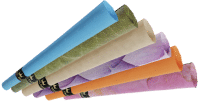
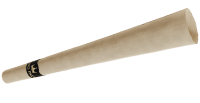
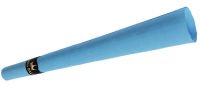
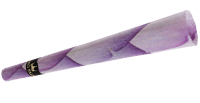

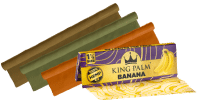
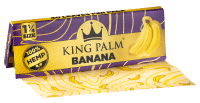





Photo by Ziv Paczy on Unsplash

What Is Blunt Paper?
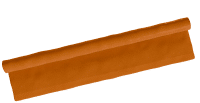
Blunt paper refers to the wrapper used to roll a blunt—typically made from tobacco leaf or processed tobacco pulp. Unlike thin rolling papers made from rice, hemp, or wood pulp, blunt papers are thicker and provide a distinct flavor profile that's been popular since the 1980s.
The term originally came from Phillies Blunt cigars, which smokers would empty and refill with cannabis. Today, "blunt paper" includes both traditional tobacco-based wraps and newer tobacco-free alternatives made from natural leaves.
Understanding your options helps you make informed choices about what you're smoking and how it affects your experience.
Key Takeaways
- Traditional blunt papers contain tobacco or nicotine, which adds flavor but also addictive compounds
- Natural leaf alternatives like palm leaves offer tobacco-free options with unique characteristics
- Thickness matters—blunt papers burn slower than standard rolling papers
- Pre-rolled options eliminate the learning curve if you're not confident rolling
- Storage affects quality—proper humidity keeps wraps flexible and prevents cracking
Types of Blunt Paper
Traditional Tobacco Leaf Wraps
Original blunt papers use whole tobacco leaves or processed tobacco sheets. These deliver the classic blunt experience many smokers recognize—earthy tobacco flavor, slower burn, and nicotine buzz alongside your herbs.
Brands like Backwoods use natural tobacco leaves, while others process tobacco pulp into uniform sheets. Both contain nicotine, which means they're addictive and carry the health risks associated with tobacco consumption.
Tobacco-Pulp Wraps
Many commercial blunt wraps use homogenized tobacco leaf (HTL)—basically tobacco that's been ground up, mixed with cellulose, and reformed into sheets. These wraps offer more consistency in thickness and flavor than whole-leaf options.
Common examples include Swisher Sweets, White Owl, and Dutch Masters. They're widely available and come in dozens of flavors, from original to grape to honey.
Hemp Wraps
Hemp wraps emerged as a tobacco-free alternative in the early 2000s. Made from industrial hemp fibers, they don't contain nicotine but still provide a thicker wrap than standard rolling papers.
The flavor is more neutral than tobacco wraps, letting your herbs' natural taste come through. Hemp wraps can be slightly harder to work with for beginners since they don't have the same pliability as tobacco.
Palm Leaf Wraps
Palm leaf blunt papers represent one of the newest categories in the market. Made from natural palm leaves, they're tobacco-free, additive-free, and offer a smooth, slow burn that rivals traditional tobacco wraps.
King Palm leaf wraps deliver consistent thickness and come with humidity packs to maintain optimal moisture. The natural leaf structure provides strength without harsh additives, and the flavor profile is clean without interfering with your herbs.
How to Roll a Blunt With Blunt Paper
Preparation
Start with properly ground herb—not too fine (which makes it hard to roll and causes runs) and not too coarse (which creates an uneven burn). Your blunt paper should be fresh and pliable. If it's dried out, it'll crack when you try to roll.
Lay your wrap flat on a clean surface. Some smokers prefer to lightly moisten tobacco wraps to make them more workable, but be careful not to oversaturate.
The Rolling Process
Distribute your ground herb evenly along the center of the wrap, leaving about a quarter-inch clear on each end. Less is more when you're learning—overstuffed blunts are harder to roll and more likely to canoe.
Using your thumbs and forefingers, gently roll the wrap back and forth to pack the herb into a cylinder shape. Once it's evenly distributed, tuck the edge closest to you over the herb and roll forward, keeping consistent pressure.
Seal the blunt by moistening the edge (if using tobacco wraps) or pressing firmly (for hemp or palm). Run a lighter along the seam without touching the flame to the wrap—you're drying the seal, not lighting it yet.
Common Rolling Mistakes
New rollers often pack too much herb, creating a fat, sloppy blunt that's impossible to smoke properly. They also tend to roll too tightly, which restricts airflow, or too loosely, which causes uneven burning.
Another frequent error is failing to check for gaps or tears in the wrap before you start. A small split will turn into a major problem halfway through your session.
Blunt Paper vs Rolling Papers: What's the Difference?
Thickness and Burn Rate
The most obvious difference is thickness. Blunt papers are substantially thicker than standard rolling papers, which means they burn much slower. A properly rolled blunt can last 30-45 minutes, while a joint might burn out in 10-15.
This makes blunts better suited for group sessions or extended solo smoking. The thicker material also makes them more durable and forgiving during the rolling process.
Flavor Profile
Rolling papers generally aim for minimal flavor impact, especially unflavored varieties made from rice or hemp. Blunt papers, particularly tobacco-based ones, add significant flavor to your smoking experience.
Some smokers love this added dimension. Others prefer to taste only their herbs, making tobacco-free alternatives like palm leaf a better choice.
Nicotine Content
This is the critical health distinction. Tobacco-based blunt papers contain nicotine, an addictive stimulant that can increase your heart rate and blood pressure. Regular tobacco blunt use can lead to nicotine dependence even if you don't smoke cigarettes.
Hemp, palm, and other plant-based wraps contain zero nicotine. You get the slow burn and thickness of a blunt without the addictive compounds.
Pre-Rolled Cones: A Convenient Alternative
What Are Pre-Rolled Cones?
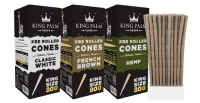
Pre-rolled cones take the rolling skill out of the equation. These are factory-rolled into a cone shape with a filter already installed—you just pack them with ground herb and you're ready to smoke.
King Palm pre-coned rolls use natural palm leaf and include a built-in corn husk filter. Each pack comes with a humidity pack to keep the wraps at optimal moisture until you're ready to use them.
Benefits Over Traditional Blunt Paper
Consistency is the main advantage. Every cone is perfectly rolled with even thickness and a reliable seal. There's no learning curve, no frustration, and no wasted materials from botched attempts.
Pre-coned options are also faster—you can pack a cone in 30 seconds versus the several minutes it takes to roll a quality blunt. For many smokers, the convenience is worth the slightly higher per-unit cost.
How to Pack a Pre-Rolled Cone
Hold the cone upright and gently fill it with ground herb, tapping the filter end on a hard surface periodically to settle the material. Fill in stages rather than trying to stuff it all at once.
Once filled to your desired level, use a packing stick (often included) or a pen to gently compress the herb. Don't pack too tight—you need airflow for an even burn. Twist or fold the open end to seal.
Choosing the Right Blunt Paper for You
Consider Your Priorities
If you enjoy tobacco flavor and don't mind nicotine, traditional tobacco wraps deliver the authentic blunt experience. If you want to avoid tobacco but still want a slow-burning thick wrap, palm leaf or hemp is your best option.
Flavor preferences matter too. Tobacco wraps come in countless flavors, though many contain artificial additives. Natural leaf options have subtler, earthier profiles that complement rather than overpower your herbs.
Quality Indicators
Fresh blunt papers should be pliable, not brittle or crumbly. They should have consistent color without discoloration or obvious defects. The wrap should feel substantial but not cardboard-thick.
Quality brands package their products with freshness in mind. Look for resealable pouches or, better yet, humidity packs that actively maintain moisture levels.
Environmental Considerations
Natural leaf wraps—whether tobacco, hemp, or palm—are biodegradable and generally have a smaller environmental footprint than heavily processed alternatives. Palm leaves in particular are sustainable since they're harvested without harming the tree.
If environmental impact matters to you, avoid wraps with excessive packaging, artificial dyes, or synthetic flavoring compounds.
Storage Tips for Blunt Papers
Moisture Is Critical
Dried-out blunt papers crack and tear during rolling. Too much moisture makes them soggy and prone to mold. The sweet spot is around 62-65% relative humidity—similar to proper cannabis storage.
Store your wraps in their original packaging in a cool, dark place. If you've opened a package, reseal it completely or transfer unused wraps to an airtight container.
Humidity Packs Make a Difference
Two-way humidity control packs maintain consistent moisture by either releasing or absorbing water vapor as needed. Every King Palm product includes a humidity pack specifically for this purpose.
Even if your wraps didn't come with one, you can add a humidity pack to your storage container. It's a small investment that prevents waste and ensures every wrap rolls smoothly.
Signs Your Wraps Have Gone Bad
Discoloration, spots of mold, or a musty smell mean your wraps are past their prime. Toss them—mold exposure isn't worth the risk. Excessive dryness and brittleness usually means improper storage rather than spoilage.
You can sometimes revive slightly dried wraps by storing them with a humidity pack for 24-48 hours. If they're completely desiccated, though, they're probably not salvageable.
Health Considerations
Tobacco-Based Wraps
Let's be direct: tobacco blunt papers introduce nicotine and tobacco-specific toxins into your smoking experience. If you're using cannabis for medical purposes or trying to avoid addictive substances, tobacco wraps undermine those goals.
Regular nicotine exposure can lead to dependence, increased cardiovascular stress, and other health complications associated with tobacco use. These risks exist even though you're not smoking cigarettes.
Tobacco-Free Alternatives
Hemp, palm, and other plant-based wraps eliminate nicotine but don't eliminate combustion-related risks. Any time you're inhaling smoke, you're exposing your respiratory system to particulates and combustion byproducts.
That said, tobacco-free options remove one significant category of risk. Natural leaf wraps without additives, dyes, or flavorings reduce your exposure to unnecessary chemicals.
Harm Reduction Approach
If you're going to smoke, choosing cleaner materials matters. Natural palm leaf wraps offer a tobacco-free, additive-free option that delivers the slow burn of a blunt without nicotine or artificial additives.
Proper storage and quality products also matter—moldy wraps or improperly stored materials introduce additional health risks that are easily preventable.
Frequently Asked Questions
What's the difference between blunt paper and rolling paper?
Blunt paper is significantly thicker than rolling paper, burns slower, and traditionally contains tobacco. Rolling papers are thin, usually made from rice, hemp, or wood pulp, and don't contain tobacco or nicotine. Blunt papers provide a 30-45 minute smoke session compared to 10-15 minutes for a joint rolled with standard papers.
Do all blunt papers contain tobacco?
No. While traditional blunt papers are made from tobacco leaves or tobacco pulp, there are now several tobacco-free alternatives available. Hemp wraps and palm leaf wraps deliver the thickness and slow burn of a blunt without any tobacco or nicotine content. These alternatives have become increasingly popular among smokers looking to avoid nicotine addiction.
Can I use blunt paper in a rolling machine?
Most rolling machines are designed for standard rolling papers, which are much thinner than blunt papers. Blunt wraps and cigar leaves are typically too thick for rolling machine mechanisms. If you want a machine-assisted option, look for rolling machines specifically designed for thicker wraps, or consider pre-rolled cones that you simply pack rather than roll.
How do I keep blunt papers fresh?
Store blunt papers in their original resealable packaging or an airtight container in a cool, dark place. The ideal humidity level is 62-65%. Use a two-way humidity control pack to maintain consistent moisture—this prevents the wraps from drying out and cracking or becoming too moist and prone to mold. King Palm products include humidity packs specifically for this purpose.
Are palm leaf wraps better than tobacco blunt papers?
Palm leaf wraps offer several advantages: they're tobacco-free (no nicotine or addiction risk), contain no artificial additives or flavorings, provide a smooth and slow burn comparable to tobacco wraps, and are made from sustainable, biodegradable natural materials. They deliver the authentic blunt experience without the health risks associated with tobacco consumption, making them the best choice for smokers who want to avoid nicotine while still enjoying a slow-burning, flavorful wrap.
Blunt Paper vs. Rolling Paper: 73% of Smokers Don't Know the Difference
According to industry surveys, nearly three-quarters of new smokers confuse blunt papers with standard rolling papers, but the differences significantly impact your smoking experience.
| Feature | Blunt Paper | Rolling Paper |
|---|---|---|
| Thickness | 0.10-0.15mm (thick) | 0.01-0.03mm (thin) |
| Burn Time | 15-25 minutes | 5-10 minutes |
| Material | Tobacco leaf, palm, or hemp | Rice, hemp, or wood pulp |
| Nicotine Content | Varies (0mg in tobacco-free) | None |
| Flavor Impact | Strong (adds distinct taste) | Minimal (neutral) |
Why Thickness Changes Everything
The thicker construction of blunt paper creates a slower, cooler burn that many experienced smokers prefer. This thickness also means blunt papers are more forgiving for beginners—they don't tear as easily during rolling and can hold more material without breaking.
Pre-Rolled vs. Flat Blunt Papers: 60% Faster for First-Timers
Pre-coned blunt options reduce preparation time by 60% compared to rolling flat blunt papers from scratch, making them ideal for convenience and consistency.
When to Choose Pre-Coned Options
If you're new to smoking or want consistent results without the learning curve, pre-coned options like King Palm eliminate the rolling process entirely. You simply pack your herbs into the cone—no licking, sealing, or shaping required. Each King Palm comes with a humidity pack to maintain the perfect moisture level.
When to Choose Flat Wraps
Experienced rollers often prefer flat blunt papers because they offer complete control over size and shape. You can customize the thickness, length, and tightness of your roll based on personal preference and how much material you're using.
Storage Best Practices: Proper Humidity Extends Blunt Paper Life by 300%
Blunt papers stored at 62-65% relative humidity last 3-4 times longer than those kept in dry conditions, according to cannabis accessory manufacturers.
The Humidity Sweet Spot
Too dry, and your blunt papers crack and crumble. Too moist, and they won't burn properly or may develop mold. Natural leaf wraps are especially sensitive to humidity changes because they're organic materials without chemical preservatives.
King Palm addresses this with included humidity packs in every package. These two-way humidity control packs automatically add or remove moisture to maintain the ideal level, keeping your wraps fresh and flexible for months.
Signs Your Blunt Paper Has Gone Bad
- Brittle texture: Cracks when you try to unroll or handle it
- Discoloration: Dark spots or unusual color changes indicate age or mold
- Harsh smell: Stale or musty odors mean the wrap has degraded
- Uneven burn: Dried-out papers burn too fast and unevenly
Store your blunt papers in their original packaging in a cool, dark place. Avoid leaving them in cars or direct sunlight, as temperature fluctuations accelerate degradation.
Frequently Asked Questions About Blunt Paper
What is blunt paper made of?
Blunt paper is made from tobacco leaf (whole or processed), hemp fibers, or natural plant leaves like palm. Traditional blunt papers use tobacco and contain nicotine, while alternatives like King Palm use natural palm leaves with no tobacco or additives for a cleaner smoking experience.
Can you use blunt paper in a rolling machine?
Only flat blunt wraps work in rolling machines—pre-coned options cannot be used in rollers since they're already shaped. If you want the convenience of pre-rolled products without the manual rolling, King Palm pre-coned wraps let you simply pack your material directly into the cone.
How long does blunt paper last?
Properly stored blunt paper lasts 6-12 months when kept at 62-65% humidity in a cool, dark place. Natural leaf options benefit from humidity packs—King Palm includes one in every package to maintain optimal freshness and prevent cracking or drying out.
Is blunt paper worse than rolling paper for your health?
Traditional tobacco-based blunt papers add nicotine and tobacco combustion byproducts to your smoke, which increases health risks compared to tobacco-free rolling papers. Tobacco-free blunt papers made from hemp or palm leaves eliminate nicotine exposure while maintaining the thickness and burn characteristics that blunt smokers prefer.
Why does my blunt paper keep cracking?
Blunt papers crack when they lose moisture and become brittle, usually from improper storage or age. Natural materials are especially sensitive to dry conditions—rehydrating them slightly with a damp (not wet) paper towel for 30 seconds can help, though fresh wraps with proper humidity control work best.


