
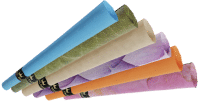
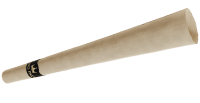
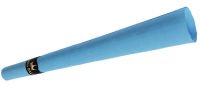
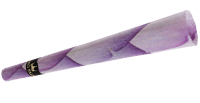

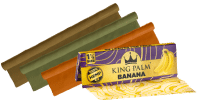
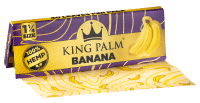





Photo by Egor Myznik on Unsplash

Key Takeaways
- Cigar wraps come in three main types: tobacco leaf, hemp, and natural leaf alternatives like palm
- Traditional tobacco wraps offer rich flavor but contain nicotine; natural alternatives provide a clean alternative
- Quality wraps should burn evenly, stay moist without being soggy, and complement your blend
- Storage matters—humidity control keeps wraps fresh and prevents cracking
- Pre-coned options eliminate the learning curve of hand-rolling
What Are Cigar Wraps?
Cigar wraps are the outer layer that holds your smoking material together. Originally made from tobacco leaves, they've evolved into a diverse category that includes hemp, palm, and other natural materials.
The wrap you choose affects everything—flavor, burn rate, smoothness, and even the ritual of rolling or packing. Some smokers swear by traditional tobacco wraps for their taste and nostalgia. Others prefer cleaner, tobacco-free options that let the main blend shine through.
Understanding your options helps you find what actually works for your preferences instead of just grabbing whatever's on the shelf.
Types of Cigar Wraps
Tobacco Leaf Wraps
Traditional cigar wraps use tobacco leaves—either whole leaf or reconstituted. These deliver the classic cigar experience with earthy, sometimes sweet flavors that many smokers expect.
The main consideration here is nicotine content. Tobacco wraps add nicotine to your session whether you want it or not. They also come with the same concerns as any tobacco product.
Flavored tobacco wraps are widely available, with options like grape, vanilla, honey, and cognac. The flavorings can mask or complement your blend depending on the pairing.
Hemp Wraps
Hemp wraps emerged as a tobacco-free alternative for smokers who want to avoid nicotine. Made from industrial hemp, they burn slower than most tobacco wraps and have a mild, earthy taste.
Quality varies significantly between brands. Some hemp wraps are thin and prone to tearing. Others are thick enough to handle aggressive packing but can taste grassy or harsh.
Hemp wraps typically require more moisture than tobacco to stay pliable. Dry hemp cracks easily, so proper storage is essential.
Palm Leaf Wraps
Palm leaf wraps represent a newer category that's gaining serious traction. Made from Cordia leaves, they're completely tobacco-free and nicotine-free with a smooth, neutral taste.
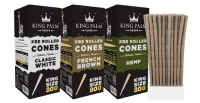
King Palm wraps include a built-in corn husk filter and come with a humidity pack in every package. The natural leaf burns slow and even without the chemical taste some processed wraps leave behind.
The texture is thicker than paper but more forgiving than tobacco leaf. Palm doesn't need licking or glue—the leaf seals naturally when packed correctly.
How to Choose the Right Cigar Wrap
Flavor Profile
Your wrap should enhance, not overpower, your smoking blend. Tobacco wraps add complexity but can dominate subtle flavors. Neutral wraps like palm let the blend speak for itself.
Consider whether you want added sweetness, earthiness, or a clean backdrop. If you're smoking premium material, a neutral wrap usually makes more sense than grape-flavored tobacco.
Burn Rate
Wraps with higher natural resin content burn slower. Thicker wraps generally burn longer but can be harder to roll properly.
Palm and hemp typically burn slower than thin tobacco wraps. If you prefer quick sessions, look for thinner options. For extended sessions, thick natural leaves work better.
Ease of Use
Hand-rolling takes practice. Whole tobacco leaves require the most skill—they're fragile, uneven, and unforgiving of mistakes.
Pre-rolled cigar wraps (the kind you buy at gas stations) are easier but still require decent technique to pack evenly. Pre-coned options eliminate the rolling step entirely—you just pack and go.
If you're new to wraps or just want consistency, pre-coned rolls save time and frustration.
Nicotine Content
This is binary: tobacco wraps contain nicotine, everything else doesn't. If you're trying to avoid nicotine or simply don't want that buzz competing with your blend, stick with hemp or palm.
Don't underestimate tobacco nicotine content. A full tobacco wrap can deliver a noticeable buzz, especially if you're not a regular tobacco user.
Rolling vs. Packing: Understanding the Difference
The terminology matters because the techniques are different. Rolling means wrapping your material in a flat leaf or paper. Packing means filling a pre-coned wrap that's already shaped.
When you roll a traditional blunt with a flat tobacco wrap, you're distributing material along the wrap, folding it, and sealing it with moisture or adhesive. It's a skill that takes time to develop.
When you pack a cone, you're filling a tube-shaped wrap that's already formed. You just need to distribute your blend evenly and pack it to the right density. Much easier for beginners.
Note that pre-coned wraps like King Palm won't work in rolling machines—those devices only handle flat papers or wraps. Cones are designed for hand-packing.
How to Store Cigar Wraps Properly
Dry wraps crack. Overly moist wraps mold. The sweet spot is around 62-65% relative humidity, similar to cannabis storage.
Keep wraps in their original packaging until you're ready to use them. Many quality brands include humidity packs (King Palm packs always include one) that maintain proper moisture levels.
If you've opened a package, reseal it tightly or transfer unused wraps to an airtight container with a humidity pack. Store in a cool, dark place—heat and light degrade natural leaves over time.
Don't refrigerate wraps. The humidity fluctuation when you remove them causes condensation that can damage the leaf.
Common Cigar Wrap Problems and Solutions
Wraps Keep Cracking
This usually means they're too dry. Add a small humidity pack to your storage container and wait 24 hours before trying again.
If you need to use a dry wrap immediately, lightly breathe on it (don't soak it) to add moisture. Work quickly before it dries again.
Uneven Burning
Uneven burns typically come from uneven packing, not the wrap itself. Make sure your material is ground consistently and distributed evenly throughout the wrap.
Overpacking can also cause runs and uneven burns. Leave a little room for airflow—you should be able to draw through the wrap before lighting.
Harsh or Chemical Taste
Cheap wraps often use additives, preservatives, or chemical flavorings that taste harsh when burned. This is especially common in gas station tobacco wraps.
Switch to natural, unflavored wraps if you're getting chemical tastes. Palm, quality hemp, and whole tobacco leaves should taste clean.
Difficult to Seal
If your wrap won't seal, it's either too dry or you're overfilling it. Use less material and make sure the wrap has enough moisture to be slightly tacky.
Pre-coned wraps eliminate this problem entirely since they're already sealed along the seam—you just pack the open end.
Natural Alternatives to Traditional Cigar Wraps
The shift away from tobacco has opened up interesting options for smokers who want a cleaner experience.
Palm leaf wraps deliver smoothness without nicotine. The thick natural leaf handles moisture better than hemp and doesn't need chemical processing to stay together.
Some brands are experimenting with banana leaf, rose petal, and other botanical wraps. Results vary wildly—many are too delicate or taste strange when burned.
For consistent quality and availability, palm and hemp are currently the best tobacco-free options. Palm edges ahead for burn quality, thickness, and included features like filters and humidity control.
Cigar Wraps vs. Rolling Papers
Wraps and papers serve the same basic function but deliver different experiences. Papers are thin, light, and burn quickly with minimal flavor. Wraps are thicker, slower-burning, and add more character to the smoke.
Papers work well for small, quick sessions. Wraps suit longer, more substantial sessions where you want the ritual to last.
Flavor impact is the big divider. Papers are nearly neutral (especially rice and hemp papers). Wraps add noticeable flavor, whether from tobacco, natural leaf oils, or added flavorings.
There's no "better" option—just different preferences. Some smokers prefer papers for daily use and save wraps for special occasions or social sessions.
The Case for Pre-Coned Wraps
Hand-rolling looks cool but it's not for everyone. Pre-coned wraps offer legitimate advantages beyond convenience.
Consistency is the main benefit. Every cone burns the same because the shape and thickness are uniform. When you hand-roll, minor variations in technique create different experiences each time.
Pre-cones also waste less material. Beginners often pack hand-rolled blunts unevenly, leading to runs, wasted blend, and frustration. Cones guide even distribution naturally.
The built-in filters in quality pre-cones like King Palm also improve the experience. You get better airflow, cooler smoke, and no bits in your mouth.
Where Cigar Wraps Fit in Your Routine
Wraps typically fill a specific niche in most smokers' routines. They're not the go-to for quick, functional sessions—that's where papers or vapes make more sense.
Wraps shine for relaxed sessions where you've got time. Weekend afternoons, social gatherings, camping trips, or any situation where the process matters as much as the result.
The ritual of rolling or packing a quality wrap, then enjoying a slow 20-30 minute session, hits different than a quick five-minute paper. It's more deliberate.
Keep a variety on hand. Papers for quick sessions, wraps for when you want to settle in and enjoy the experience.
Frequently Asked Questions
Are cigar wraps the same as blunt wraps?
The terms are often used interchangeably, but "blunt wrap" specifically refers to wraps made from tobacco, while "cigar wrap" can include tobacco, hemp, palm, and other materials. Traditional blunts are rolled with tobacco cigar wraps that have been emptied or wraps specifically sold for rolling.
Do all cigar wraps contain nicotine?
No. Only tobacco-based wraps contain nicotine. Hemp wraps, palm leaf wraps, and other plant-based alternatives are completely nicotine-free. If avoiding nicotine is important to you, check the packaging to confirm the wrap material before purchasing.
How long do cigar wraps stay fresh?
Unopened packages with humidity control typically stay fresh for 6-12 months when stored properly. Once opened, use wraps within a few weeks for best results. Natural leaf wraps need humidity packs to maintain proper moisture—dry wraps become brittle and crack during rolling or packing.
Can you use cigar wraps in a rolling machine?
Only flat wraps work in rolling machines. Pre-coned wraps cannot be used in machines because they're already shaped—they're designed to be packed by hand. If you want to use a rolling machine, you'll need flat wrap sheets or rolling papers, not cones.
What's the best cigar wrap for beginners?
Pre-coned wraps are the easiest starting point because they eliminate the rolling technique entirely. Among flat wraps, hemp wraps are generally more forgiving than delicate tobacco leaves. For the smoothest beginner experience, start with pre-coned palm leaf wraps—they're easier to pack, burn evenly, and include filters for better airflow.


