
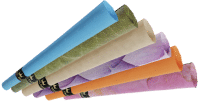
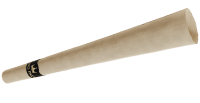
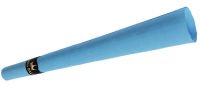
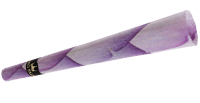

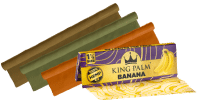





Photo by Afif Ramdhasuma on Unsplash

Key Takeaways
- Pre-rolled cones eliminate the need for rolling skills—just pack and enjoy
- Materials matter: paper, hemp, and natural leaf options each offer different experiences
- Size affects session length—choose based on solo or group smoking
- Proper packing technique ensures an even, smooth burn
- Natural leaf cones like King Palm provide a tobacco-free, slow-burning alternative
What Are Cones for Smoking?
Cones for smoking are pre-rolled, cone-shaped wraps that come ready to pack. Unlike traditional rolling papers that require skill to shape and seal, cones arrive with the difficult work already done—one end is wide open for filling, and the other tapers to a filtered tip.
The appeal is simple: you get a perfectly shaped smoke every time without mastering the art of rolling. For beginners intimidated by rolling technique or experienced smokers who value convenience, cones solve the consistency problem that hand-rolling often presents.
Pre-coned products have grown massively in popularity over the past decade. What started as a niche product has become a mainstream choice for smokers who want quality results without the learning curve.
Why Choose Pre-Rolled Cones Over Rolling Papers
The most obvious advantage is speed and convenience. A hand-rolled smoke can take several minutes and multiple attempts to get right. With a pre-rolled cone, you're packed and ready in under a minute.
Consistency is another major factor. Even experienced rollers have off days—too loose, too tight, runs down one side. Cones eliminate that variable entirely. Each one burns the same way because they're manufactured to exact specifications.
For social settings, cones make sense logistically. Not everyone in your circle knows how to roll, but anyone can pack a cone. This makes group sessions more inclusive and less dependent on one designated roller.
The Learning Curve Factor
Learning to roll takes practice—sometimes months of practice. Your first attempts will be loose, lumpy, or come apart mid-smoke. Cones bypass this entire frustration, letting you focus on the experience rather than the construction.
That said, some smokers enjoy the ritual of rolling. There's satisfaction in crafting something by hand. Cones aren't meant to replace that for purists, but rather to provide an alternative when convenience matters more than ritual.
Types of Materials for Smoking Cones
Not all cones are created equal. The material your cone is made from significantly impacts flavor, burn rate, and overall smoking experience. Here's what you need to know about the main options.
Paper Cones
Standard paper cones are typically made from wood pulp. They're thin, affordable, and burn relatively quickly. Most use a thin strip of gum arabic along the seam to hold their shape.
The main drawback is taste—paper adds a subtle but noticeable flavor that can mask the natural characteristics of what you're smoking. The burn is also faster than alternatives, making sessions shorter.
Hemp Cones
Hemp paper cones offer a more natural alternative to standard paper. They're made from hemp fibers rather than wood pulp, which many smokers prefer for both environmental and taste reasons.
Hemp cones burn slightly slower than standard paper and have less papery taste. They're thicker and more durable, which makes packing easier since they hold their shape better during filling.
Natural Leaf Cones
Natural leaf cones represent the most significant departure from paper products. These use actual plant leaves—like palm, banana, or tobacco leaves—instead of processed paper.
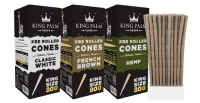
King Palm pre-rolled cones use Cordia leaves, which are completely tobacco-free and pesticide-free. These natural leaf options burn slower than paper, produce less ash, and add no chemical taste to your smoke.
The thicker material means a cooler smoke since there's more distance between the burning material and your lips. Each King Palm pack includes a humidity pack to keep the leaves fresh and pliable, preventing cracks or tears.
Cone Sizes and What They Mean
Cones come in multiple sizes, each designed for different situations. Understanding the options helps you pick the right tool for your needs.
Small and Mini Cones
Small cones (sometimes called "slim" or "mini") hold roughly 0.5 grams or less. These are ideal for solo sessions or when you want a quick smoke without committing to a longer experience.
The smaller size also means faster burn time—typically 5-10 minutes depending on material and packing density. Think of these as the equivalent of a short break rather than a full session.
King Size Cones
Despite the name, "king size" is actually the standard size for most smokers. These hold approximately 1 gram and provide a 15-20 minute session for solo use or can be shared between two people.
This size strikes the balance between portability and capacity. They fit easily in pockets or cases but still provide a satisfying experience without constant repacking.
Extra Large and Party Cones
XL cones hold 2-3 grams and are designed for group sessions. These can last 30-45 minutes or more depending on how many people are sharing and how tightly packed they are.
The larger format requires more attention to packing technique. An improperly packed XL cone will canoe or burn unevenly, wasting material. Take extra time to ensure even distribution throughout the cone.
How to Pack a Cone Properly
Packing technique directly impacts how your cone burns. Too loose and it'll burn too fast with harsh hits. Too tight and you'll struggle to draw air through it. Here's how to get it right.
The Basic Packing Method
Start by grinding your material to a medium consistency—not powder, not chunks. Overly fine material packs too tightly and restricts airflow, while large pieces create air pockets that cause uneven burning.
Fill the cone about halfway, then use a packing tool (or the back of a pen) to gently tamp it down. Add more material, tamp again, and repeat until the cone is full but not compressed like concrete. You want it firm but not so tight that air can't pass through.
The Twist and Tap Technique
After initial filling, hold the cone upright and gently tap the filter end against a table. This settles the material and reveals any air pockets. Add more material to fill gaps, then twist the open end closed.
Some smokers prefer to twist as they pack—fill a bit, twist to settle, fill more, twist again. This method works well for longer cones where material can shift during packing.
Testing Your Pack
Before lighting, test the draw. Take a pull without lighting it—you should feel slight resistance but not have to work hard. If it's too easy, the cone is underpacked and will burn fast. Too hard, and you've compressed it too much.
A properly packed cone feels firm when you gently squeeze the middle but has some give. It shouldn't crunch (too tight) or feel hollow (too loose).
Smoking Cone Tips and Techniques
Even with a perfectly packed cone, technique matters. How you light and maintain your smoke affects the entire experience.
Lighting Properly
Hold the cone at a slight angle and rotate it while applying flame to the tip. The goal is to create an even cherry across the entire opening, not just light one side.
Take slow, steady draws as you light—not aggressive pulls. Let the material catch evenly before taking your first real hit. This prevents runs and ensures even burning from the start.
Managing the Burn
Cones naturally taper, which means the burn surface area increases as you smoke. This is intentional design—the wider opening near the top allows more airflow and prevents the end from becoming harsh or hot.
If one side starts running ahead, rotate the cone so the faster-burning side is on top. Gravity and heat dynamics will naturally slow that side down while the other catches up.
Dealing with Common Problems
Canoeing (when one side burns faster than the other) usually indicates uneven packing or inconsistent material distribution. You can fix an active canoe by lightly moistening the faster-burning side with saliva on your finger—not soaking it, just dampening enough to slow the burn.
If your cone goes out frequently, it's likely underpacked or the material is too moist. Relight patiently and consider packing tighter next time. If it's hard to draw from, it's overpacked—unfortunately, there's no fix mid-smoke except to push something through to create airflow.
Storage and Freshness
Pre-rolled cones need proper storage to maintain their shape and smokability. Paper cones are fairly forgiving, but natural leaf cones require more attention.
Keeping Cones Fresh
Store unused cones in their original packaging when possible. Most manufacturers package them in humidity-controlled environments to prevent drying and cracking.
King Palm products include a humidity pack in every package specifically to maintain the ideal moisture level in the leaves. Keep this pack with your cones until you're ready to use them—don't discard it when you first open the package.
Storing Packed Cones
Once packed, cones are best smoked within a few days. The material inside will dry out over time, affecting taste and burn quality. Use airtight containers or smell-proof tubes for storage if you need to pack ahead.
For packed natural leaf cones, add a small humidity pack to your storage container. This prevents the outer leaf from becoming brittle while keeping your material at the right moisture level.
Pre-Rolled Cones vs. Blunt Wraps
The terminology can be confusing since both cones and blunts serve similar purposes. The key difference: blunts are hand-rolled from flat wraps, while cones arrive pre-shaped.
Traditional blunt wraps require rolling skills—you fill the flat wrap, shape it, and seal it shut. This is the classic method that's been around for decades. Cones eliminate the rolling step entirely by arriving pre-coned and ready to pack.
Material-wise, traditional blunts use tobacco leaf wraps, while modern cones come in various materials including tobacco-free options. If you want the convenience of a cone but prefer the natural leaf experience, tobacco-free leaf cones provide the best of both worlds.
Why Natural Leaf Cones Stand Out
Natural leaf cones have gained serious traction among smokers who want to avoid paper entirely. The experience is noticeably different from paper cones in several ways.
Slower, Cooler Burns
Leaf material is thicker and denser than paper, which translates to longer sessions. A King Palm cone of equivalent size to a paper cone will burn 25-30% longer, giving you more time per pack.
The thickness also means cooler smoke since there's more material between the heat and your hand. This makes the last third of your cone more enjoyable rather than getting progressively hotter.
Tobacco-Free Advantage
Traditional blunt wraps use tobacco leaves, which add nicotine and tobacco flavor whether you want them or not. Natural leaf cones made from Cordia or other non-tobacco plants provide the leaf experience without nicotine or tobacco taste.
This matters for people avoiding nicotine entirely or for those who want their smoke to taste like what they packed, not like tobacco. The leaf adds subtle earthiness without overpowering the primary flavor.
Environmental Considerations
Natural leaf cones biodegrade far more readily than papers with chemical adhesives or synthetic filters. While no smoking product is truly eco-friendly, leaf-based options have a smaller environmental footprint than processed paper products.
King Palm products specifically avoid pesticides and chemicals in cultivation, which means both cleaner smoke for you and less environmental impact from agricultural runoff.
Common Mistakes When Using Smoking Cones
Even with the simplicity of pre-rolled cones, some pitfalls can ruin your experience. Here's what to avoid.
Overpacking
The most common error is stuffing too much material into the cone and compressing it too tightly. This creates airflow problems that make drawing difficult and can cause the cone to canoe or go out repeatedly.
Remember: you're packing, not building a brick. Firm but not compressed is the goal.
Poor Material Preparation
Using inconsistently ground material—some powder, some chunks—leads to uneven burning. Take an extra minute to break down your material properly before packing. Consistency in grind size equals consistency in burn.
Ignoring Moisture Levels
Material that's too dry burns too fast and harshly. Material that's too moist won't stay lit and produces weak smoke. If your stash has dried out, add a humidity pack to your storage container for 24 hours before packing cones.
Rushing the Light
Impatient lighting creates an uneven cherry that leads to runs and wasted material. Spend an extra 10 seconds ensuring the entire tip is evenly lit before taking your first real draw.
Cones for Different Occasions
Part of choosing the right cone is matching it to the situation. Here's how to think about selection based on context.
Solo Sessions
Small to king-size cones work best when smoking alone. You want something you can finish in one sitting without it going out or getting stale halfway through. A 1-gram king-size cone hits the sweet spot for most solo smokers.
Sharing with Friends
Group situations call for XL or larger cones that can make the rounds without constant relighting. Pack these slightly looser than solo cones since multiple people drawing from it increases cherry temperature and burn rate.
On the Go
Portability matters when you're traveling or need discretion. Smaller cones fit easily in pockets or small cases and can be smoked quickly when time is limited. Pre-pack a few before leaving so you're ready when the opportunity arises.
The King Palm Difference
Among natural leaf options, King Palm has earned its reputation through consistent quality and thoughtful product design. The brand focuses exclusively on tobacco-free leaf products, which means their entire development process optimizes for the natural leaf experience.
The inclusion of humidity packs in every package isn't just marketing—it's essential for maintaining leaf quality. Natural leaves require specific moisture levels to remain pliable and smoke properly. King Palm's packaging protects that quality from manufacture to the moment you pack.
Beyond the base product, King Palm offers various sizes and styles including flavored filter tips that add another dimension to the smoking experience without altering what you've packed inside. These corn husk filter tips can be popped for a burst of flavor partway through your session.
Frequently Asked Questions
How long do pre-rolled cones last before going bad?
Unused cones stored properly can last 12-18 months or longer. Paper cones are shelf-stable almost indefinitely if kept dry. Natural leaf cones need humidity control but will remain fresh for a year or more when stored with the included humidity pack in their original packaging. Once packed with material, smoke within 3-5 days for best quality.
Can you repack a cone if you don't finish it?
It's not recommended. Once a cone has been partially smoked, the material inside has been exposed to heat and moisture from smoke, which degrades quality. The burned end also creates residue that affects taste if you try to extend the session. If you can't finish a cone, it's better to choose a smaller size next time rather than try to save half-smoked cones.
What's the difference between a cone and a joint?
A joint is hand-rolled from flat rolling papers into a cylindrical or cone shape—it requires rolling skill. A cone arrives pre-shaped and pre-rolled, ready to pack. Both can contain the same material, but the construction method differs. Technically, if you hand-roll papers into a cone shape, that's also a joint (just cone-shaped). The term "cone" typically refers to pre-rolled products.
Do you need a rolling machine for cones?
No, and in fact, you cannot use a rolling machine with pre-rolled cones. Rolling machines work with flat papers, not pre-shaped cones. Cones are designed to eliminate the need for rolling entirely—you pack them by hand using a packing tool or similar implement. If you're looking for machine-rolled results, pre-rolled cones already provide that consistency without owning a machine.
Why do some cones burn unevenly?
Uneven burning (canoeing) typically results from inconsistent packing density. If one side of the cone has more material or is packed tighter than the other, it will burn at a different rate. Using inconsistently ground material, packing while the cone is at an angle, or environmental factors like wind can also cause uneven burns. Pack carefully with uniform density throughout and light evenly to minimize this issue.


